Tales From The Benches, The Anfield Road And The Sleepy Hollow

Chelsea vs. Liverpool : 4 May 2025.
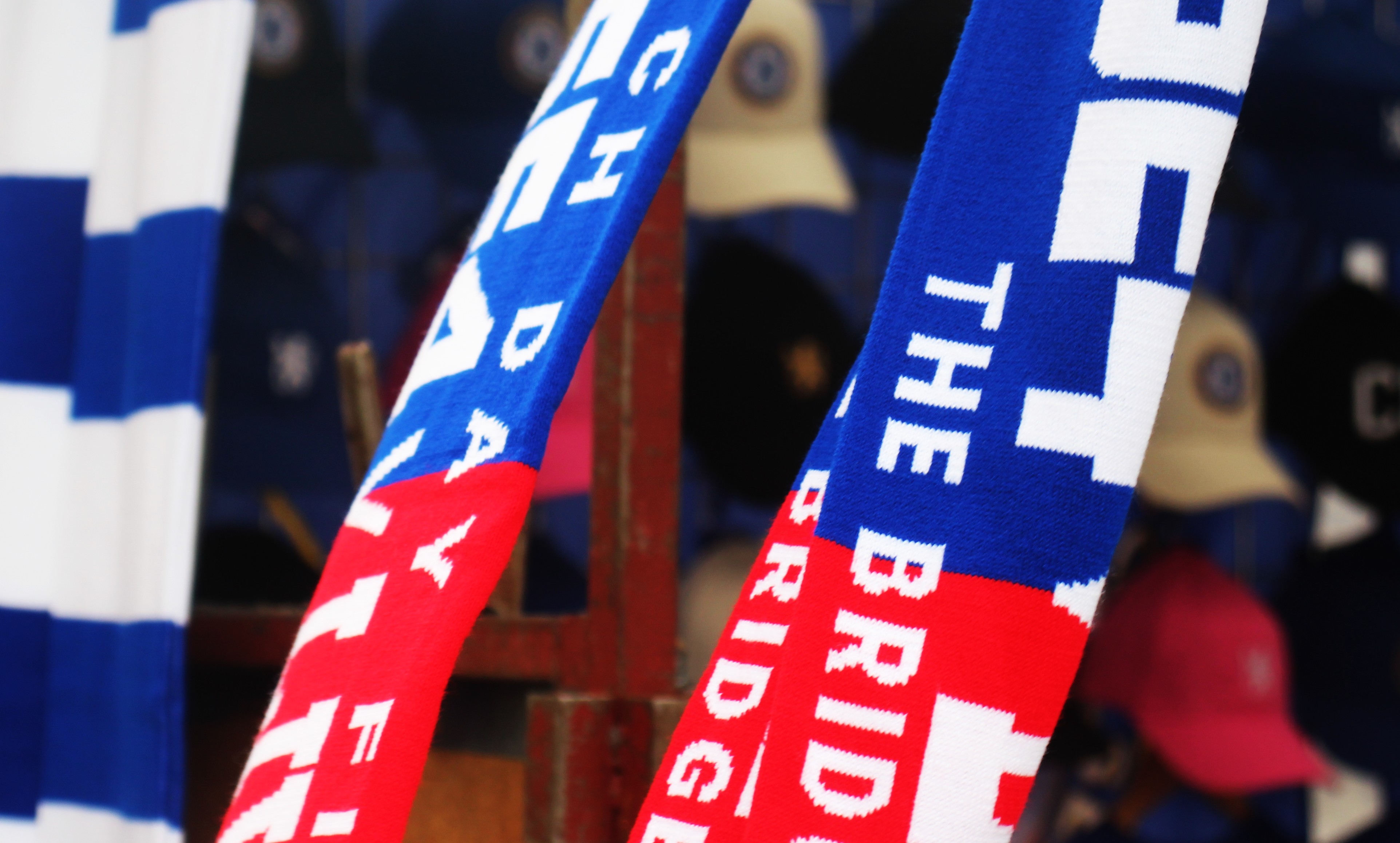
We were in for an alluring climax to the season. With two straight wins in the league on the bounce – not anticipated by me and probably many more – we were right in the thick of it in the scramble for Champions League and Europa League placings. Our next match, our ninth league game in London on the spin, was against newly crowned Champions Liverpool.

While huge parts of our Chelsea nation obsessed about the guard of honour, I shrugged my shoulders; it would all be over in less than ten seconds.

What with the closure of the District Line south to Wimbledon, there was a change of plan for our pre-match. “The Eight Bells” was jettisoned in favour of “The Tommy Tucker”, a mere Ian Hutchinson throw-in from the West Stand forecourt on Moore Park Road. I dropped PD and Parky right outside at just before 11am and then switched back on myself and drove over to my favourite breakfast spot, “The Half Moon Café” on Fulham Palace Road. If the other two lads could enjoy a four-hour session, then at least I could enjoy a full English.

I made it inside the pub at around 12.30pm, and the highlight of the time spent inside this busy boozer was the realisation that 1972 Olympic gold medallist Mary Peters was a few yards away. I can well remember watching her hop, skip and jump her way to her a gold in the pentathlon all those years ago.

For Mary Peters and Chelsea Football Club, Munich will always be a special city.

I left the pub earlier than the rest and reached the concourse just as Newcastle United scored a late, VAR-assisted penalty, to equalise at Brighton. Still, not to worry, a draw there did us a favour.

I reached my spot in The Sleepy Hollow, having smuggled my SLR in yet again. Before I settled in my seat, I took the camera out and took a few shots. However, a steward had evidently seen me and rather apologetically said “I have been told to tell you not to take use a professional camera.”

I smiled and replied “OK.”

At the end of the game, I would have taken 127 photos, but it was OK, I don’t get paid for any of the buggers.

I guess I was inside with a good forty-five minutes to go. There seemed to be many more obnoxious half-and-half scarves in the MHU than normal, and I feared the worst. I suspected an infiltration by you-know-who. Way atop our little section of seats, a father sat with his four-year-old son, who was wearing a Liverpool shirt under his jacket. I tut-tutted and tried to find someone else to be annoyed at. I didn’t take long. Sat behind me were four lads, two with half-and-halves, who seemed to be ignoring Chelsea’s pre-match kick-in down below us, instead focussing on the Liverpool players at The Shed End. By now Clive was alongside me, and we suggested to them that they were Liverpool fans. Their reply wasn’t in English, but they seemed to intimate that they were fans of football and soon dispersed. They must have had seats dotted all over the MHU.

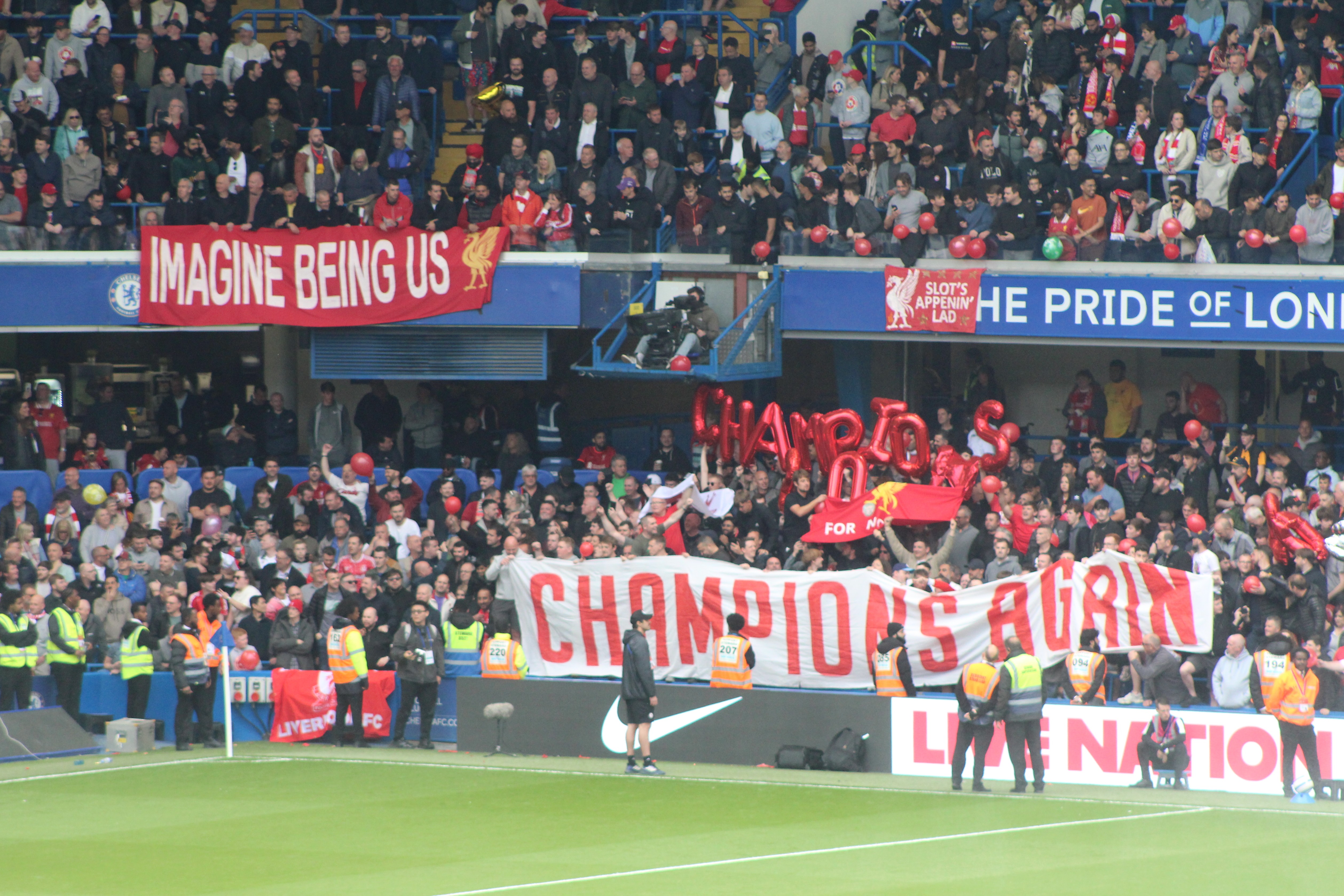
The build-up to the match seemed to be rather low key in the stadium. The Liverpool fans were massed in the opposite corner, and one banner caught everyone’s attention.

IMAGINE BEING US.

Righty-oh.

The sun was out, but it was cold in the shadows. My light rain jacket kept out the chilly gusts.

By some odd twist of fate, forty years ago to the exact day, Chelsea were also pitted against Liverpool, but on that day in 1985 the match was at Anfield. More of that later.

The week before that game, on Saturday 27 April, Chelsea played Tottenham Hotspur at Stamford Bridge.

Let my 1984/85 retrospective recommence.

Chelsea vs. Tottenham Hotspur : 27 April 1985.

For all of the big names coming to play us in matches at Stamford Bridge in that return to the topflight, none was bigger than Tottenham. It was the one that was most-eagerly awaited of all. And yet the problems of that era contrived against us. After the near riot at the Chelsea vs. Sunderland Milk Cup semi final on 4 March, there was a full riot at the Luton Town vs. Millwall FA Cup tie on 13 March, and football hooliganism was the talk of the front and back pages. Considering the history of problems between the two teams, the league game with Tottenham was made all-ticket with an 11.30am kick-off.

The result of this, much to my complete sadness, was that this crunch match against our bitter rivals only drew a crowd of 26,310, a figure that I could hardly believe at the time.

Sigh.

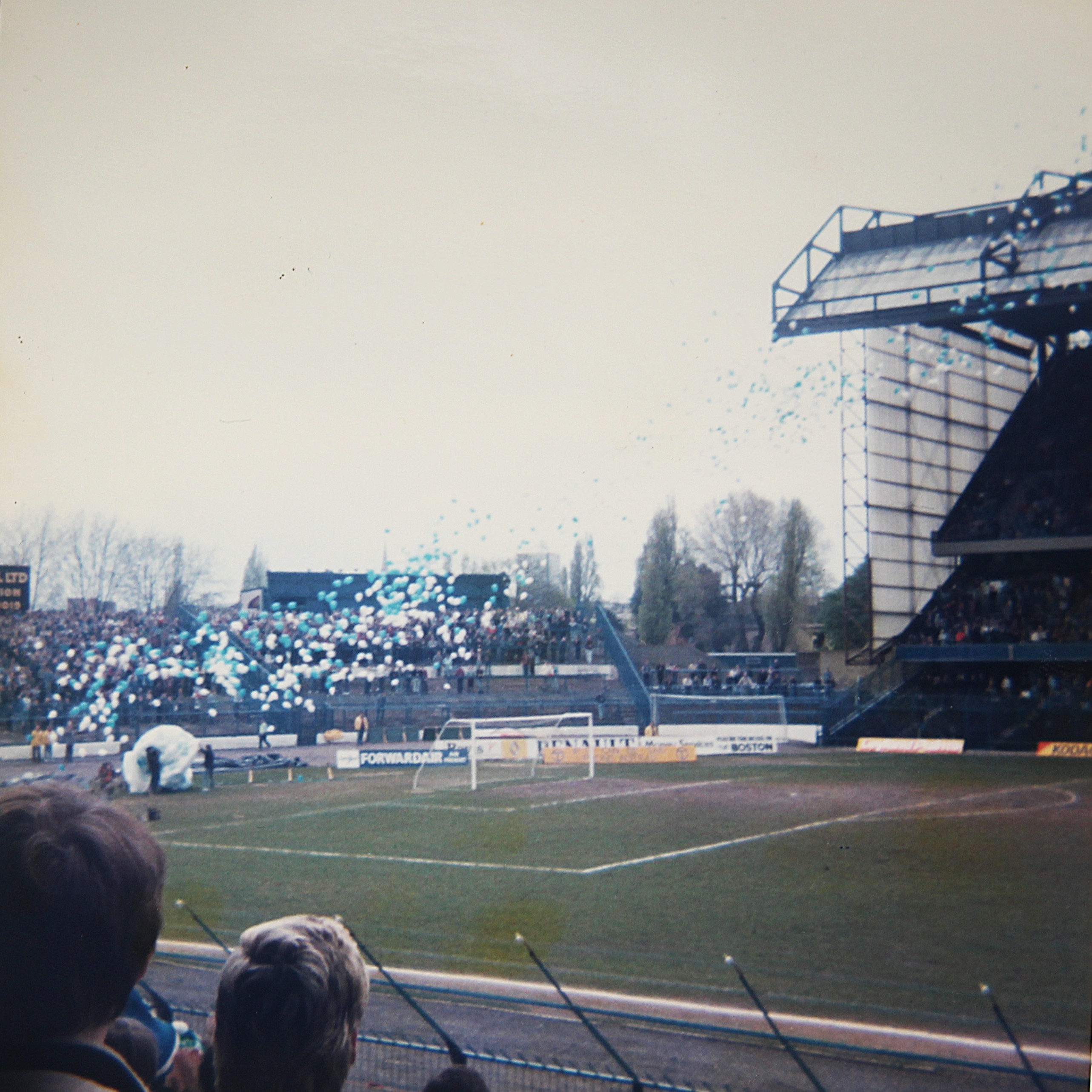
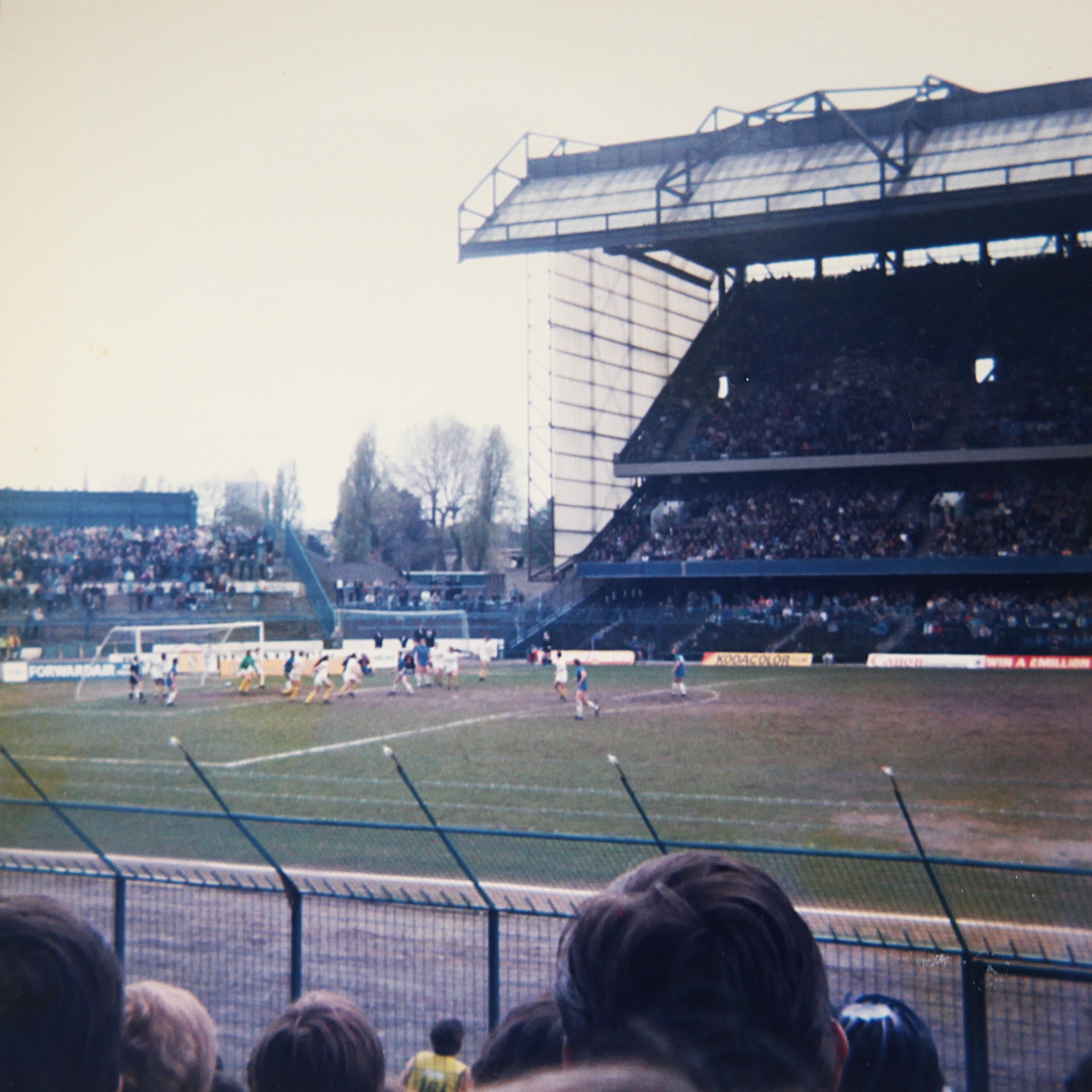
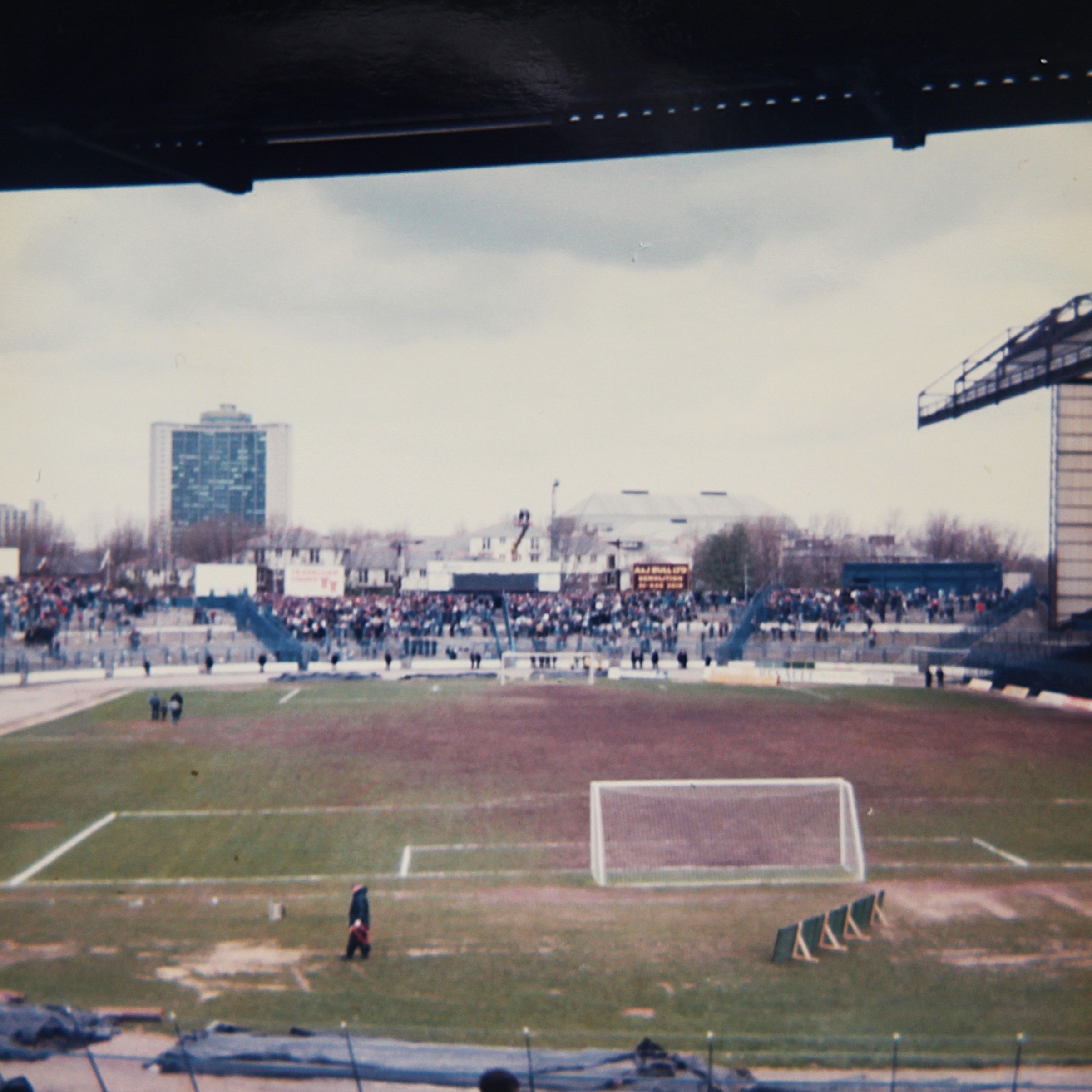
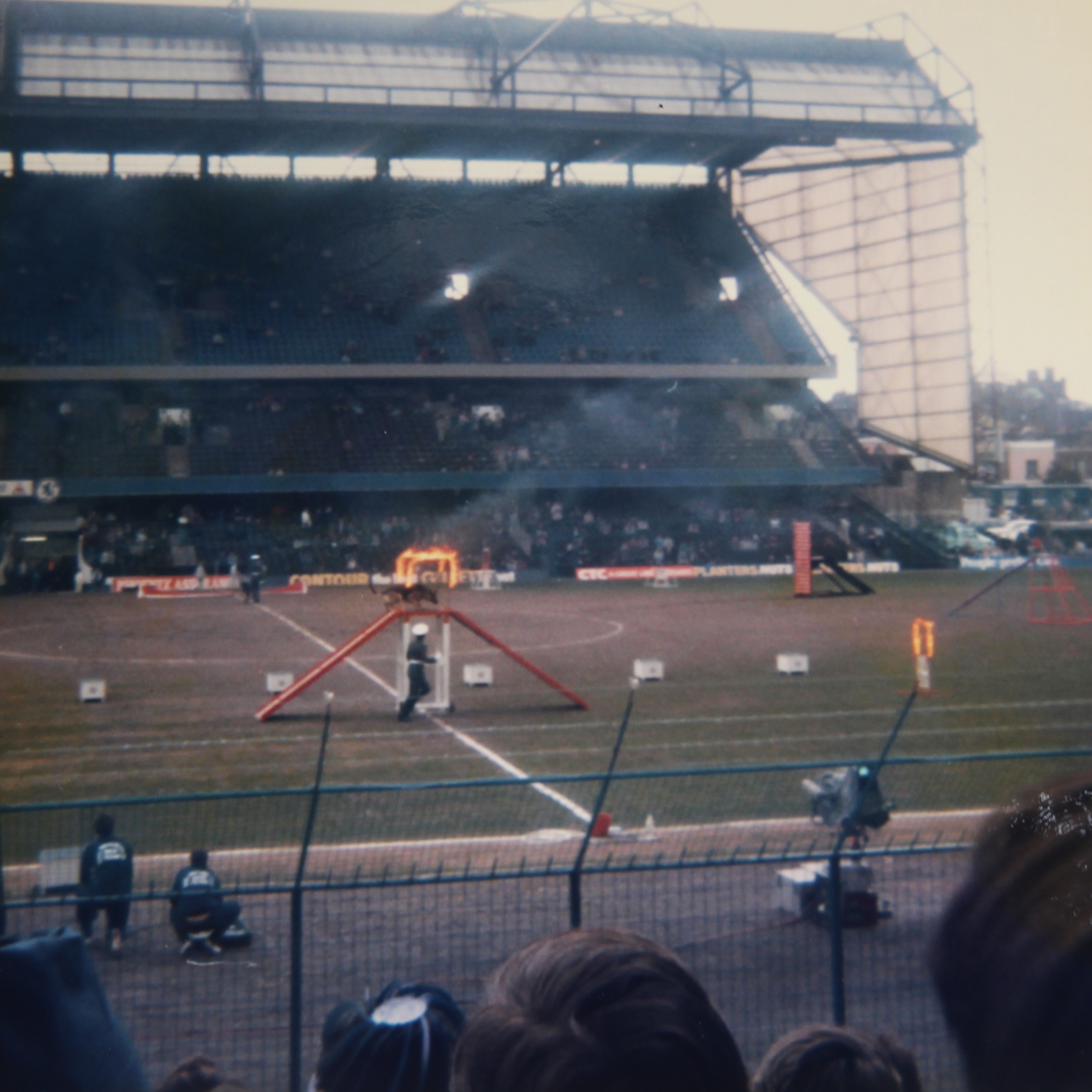
I watched from the back row of the West Stand benches with my match day crew and took plenty of photos.

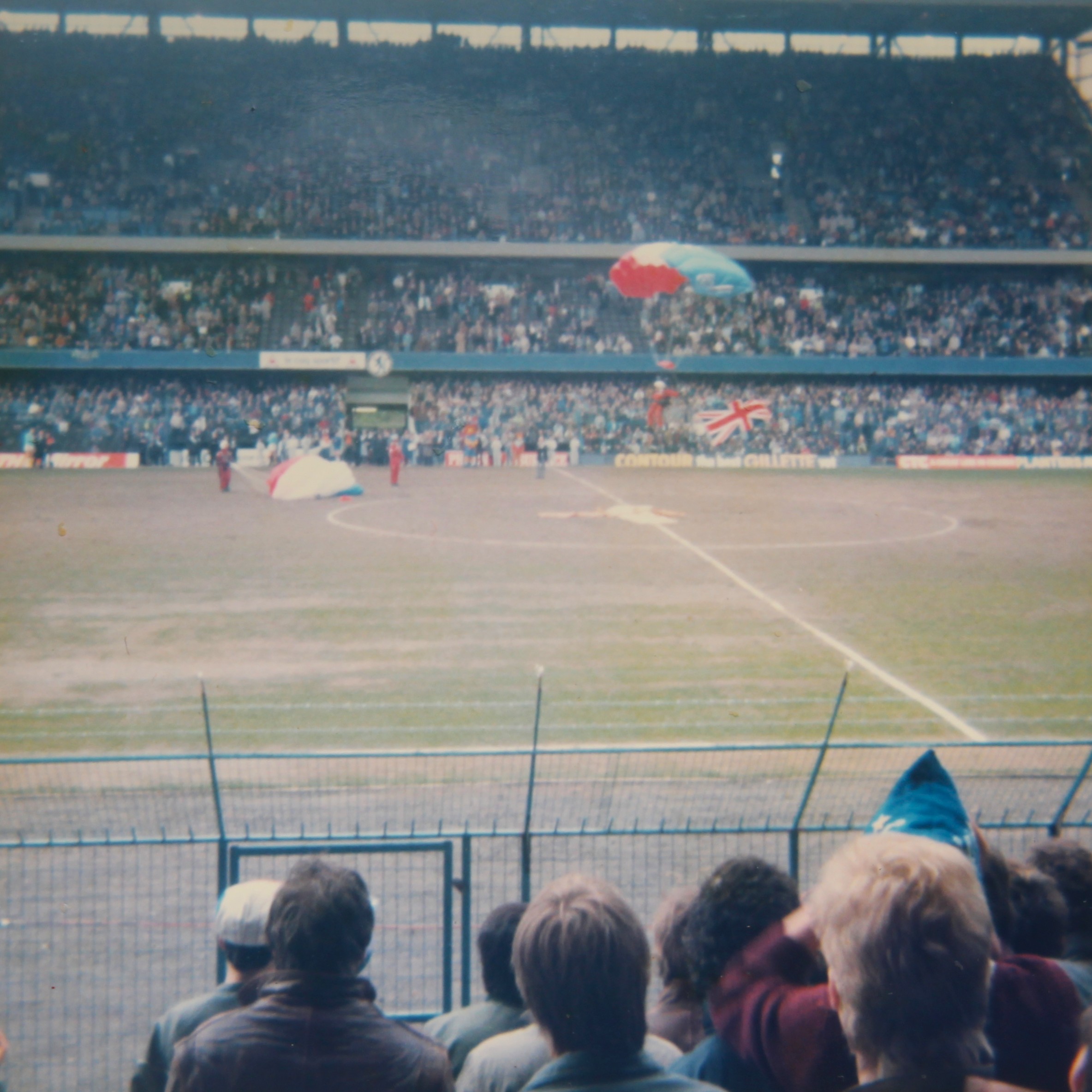
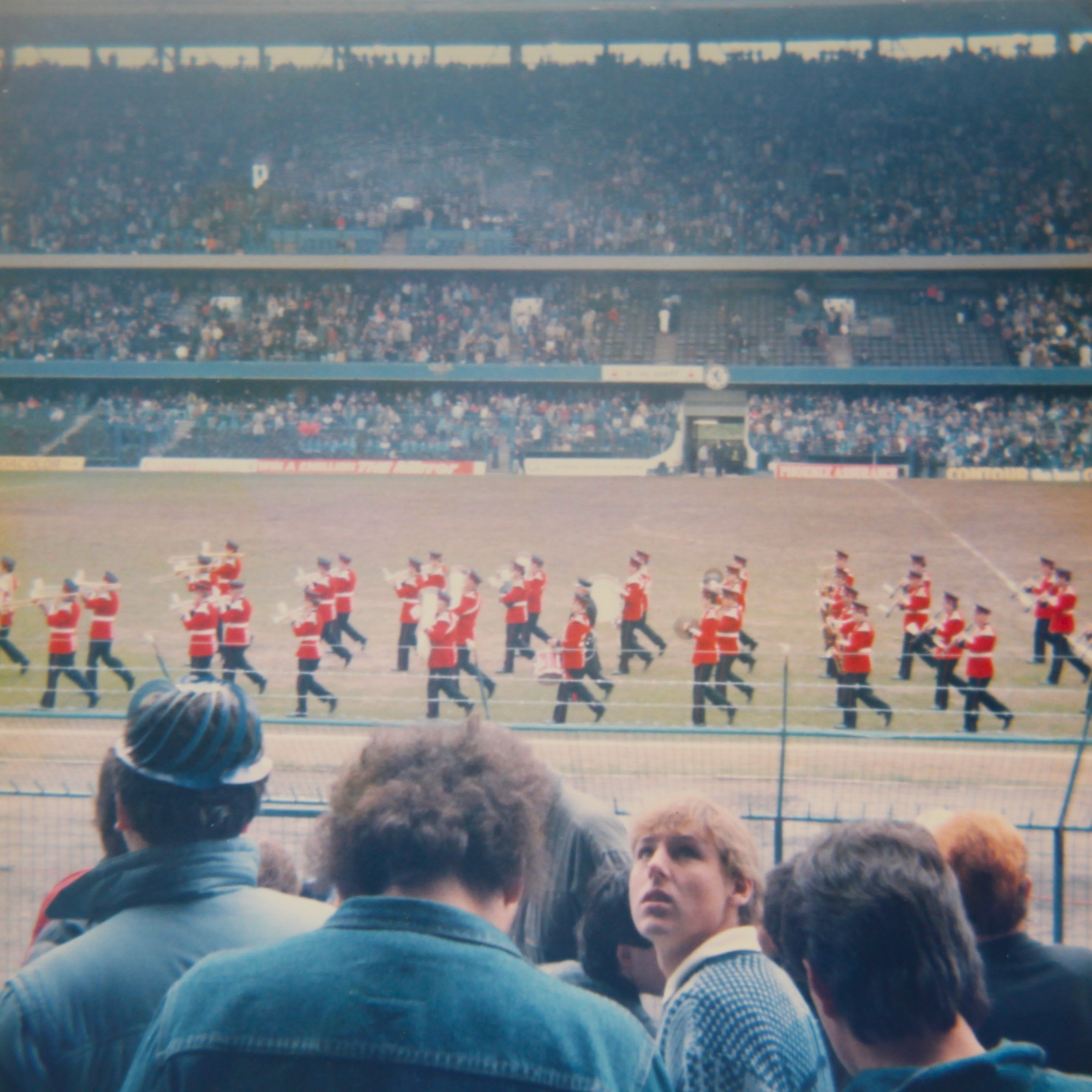
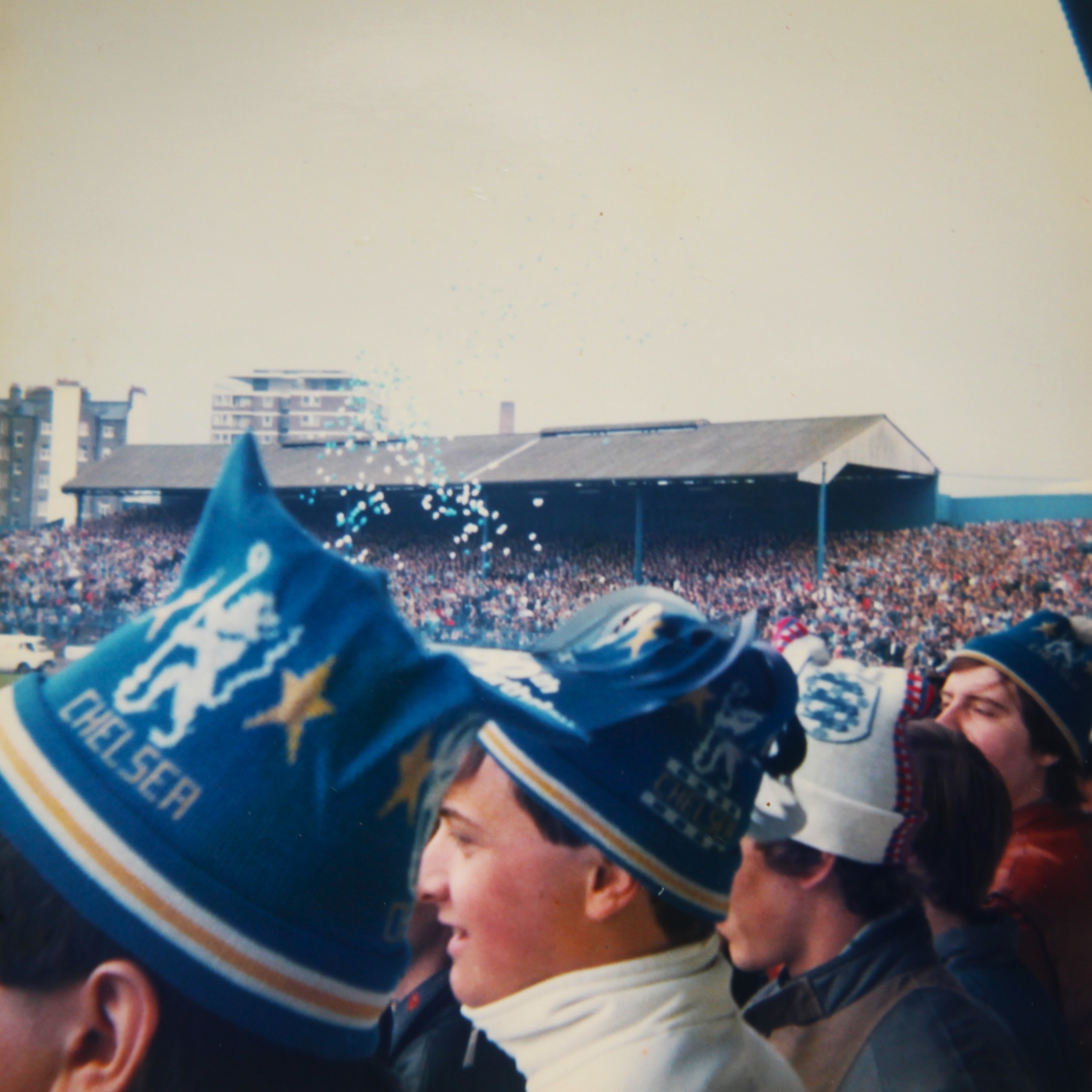
Before the game, as a celebration of our ninetieth birthday – admittedly a month and a half late – we were treated to some police dogs going through some manoeuvres on the pitch (how apt) but also the Red Devil parachute display team, and if I am not mistaken one of them managed to miss the pitch and end up on the West Stand roof. I am sure some wag wondered if the guilty parachutist was Alan Mayes. Some blue and white ballons were set off in front of the Tottenham fans and we all looked on in bewilderment.

“Let’s just get to the game.”

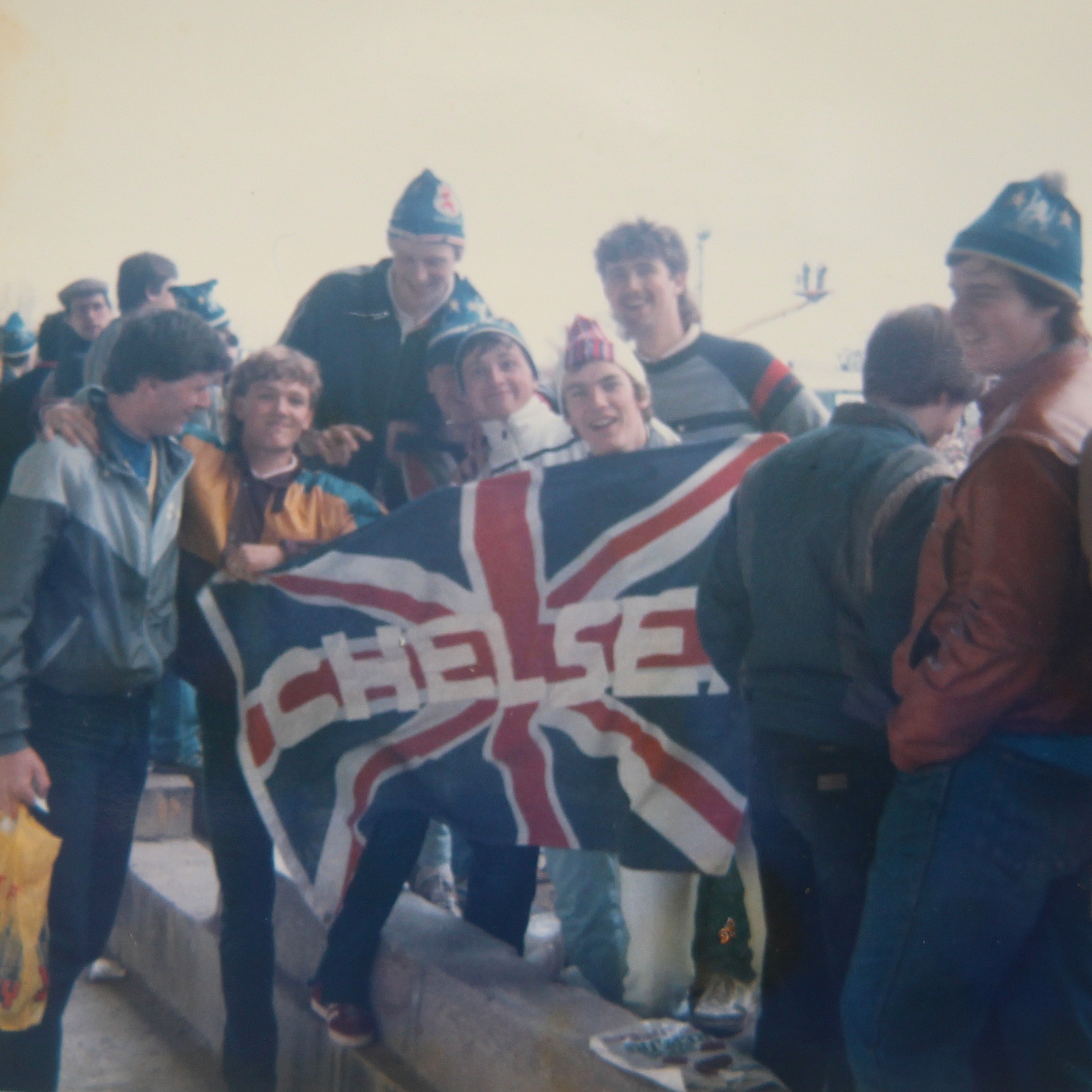
Ski-hats were all the rage in 1984/85 and one photo that I took of Alan, Dave, Rich and Leggo has done the rounds on many football sites over the years.

The match, in the end, wasn’t that special. Tottenham went ahead via Tony Galvin in the first half but a Pat Nevin free kick on seventy-five minutes gave us a share of the points.

A week later, the action took place two-hundred or so miles to the north.
Liverpool vs. Chelsea : 4 May 1984.

In 1984/1985, I only went to five away games due to finances, and the visit to Anfield was one of the highlights for sure. Liverpool were European Champions in 1984 and reigning League Champions too. They were in their pomp. Growing up as a child in the ‘seventies, and well before Chelsea fans grew tired of Liverpool’s cries of history, there were few stadia which enthralled me more than Anfield, with The Kop a beguiling wall of noise.

No gangways on The Kop, just bodies. A swaying mass of humanity.

Heading up to Liverpool, on an early-morning train from Stoke, I was excited and a little intimidated too. Catching a bus up to the stadium outside Lime Street was probably the nearest that I came to a footballing “rite of passage” in 1985. I was not conned into believing the media’s take that Scousers were loveable so-and-sos. I knew that Anfield could be a chilling away ground to visit. Famously, there was the “Cockneys Die” graffiti on the approach to Lime Street. My first real memory of Liverpool, the city, on that murky day forty years ago was that I was shocked to see so many shops with blinds, or rather metal shutters, to stave off robberies. It was the first time that I had seen such.

The mean streets of Liverpool? You bet.

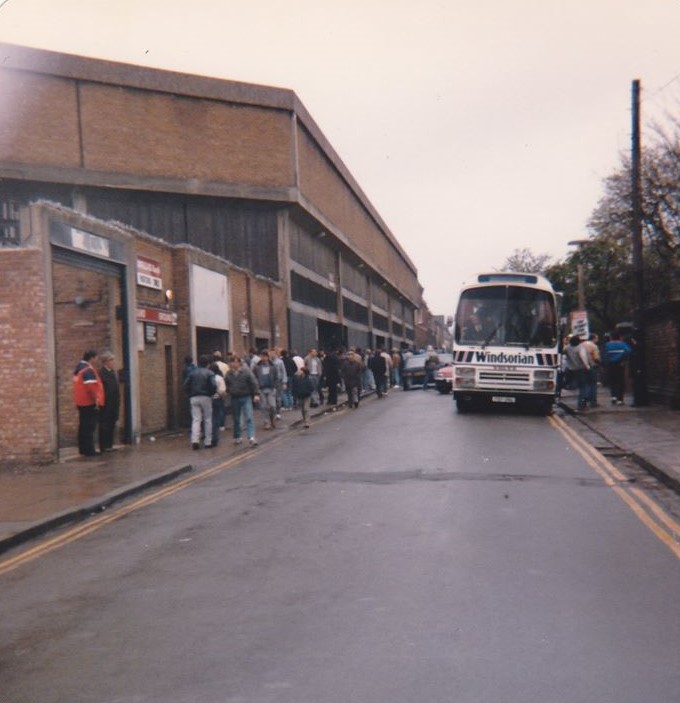
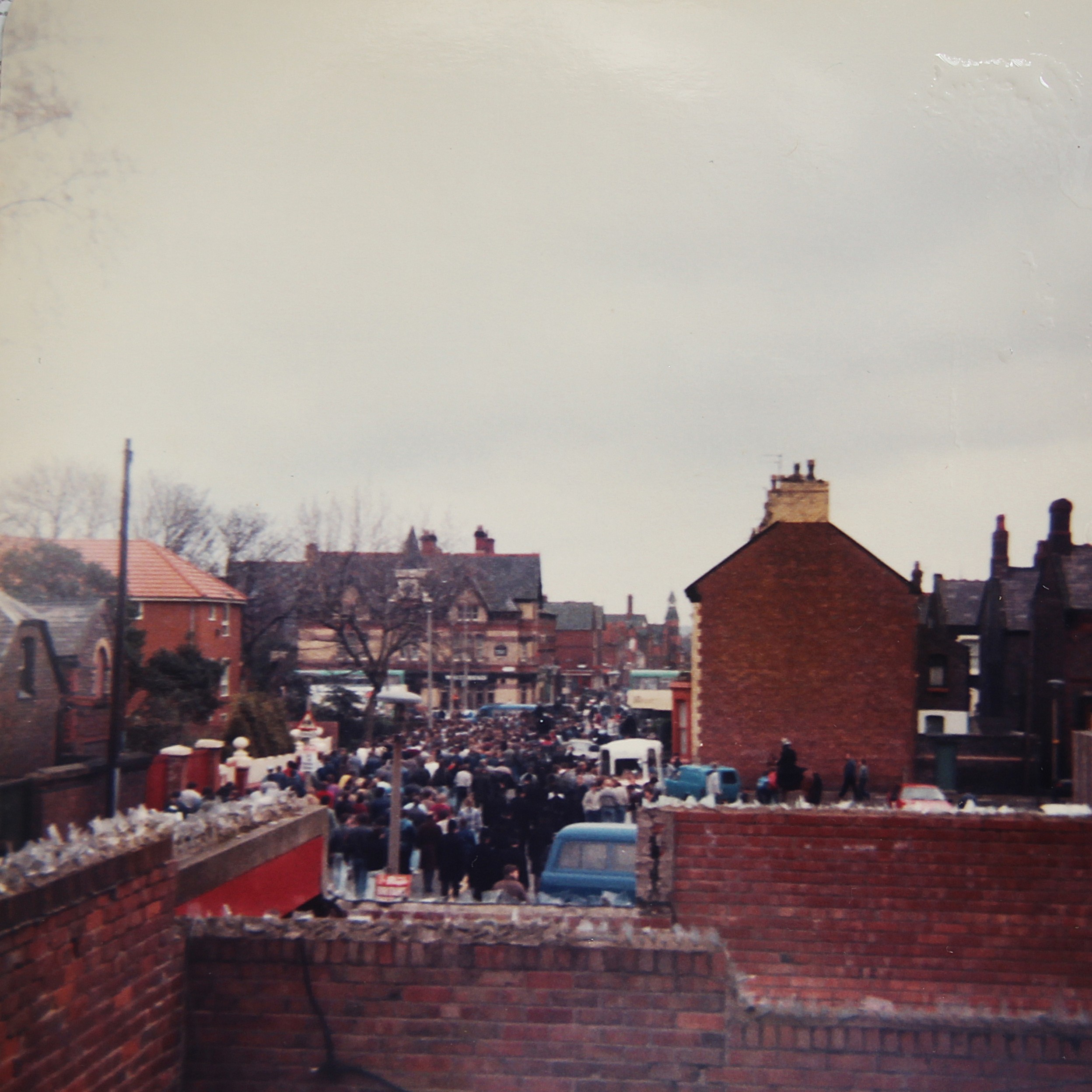
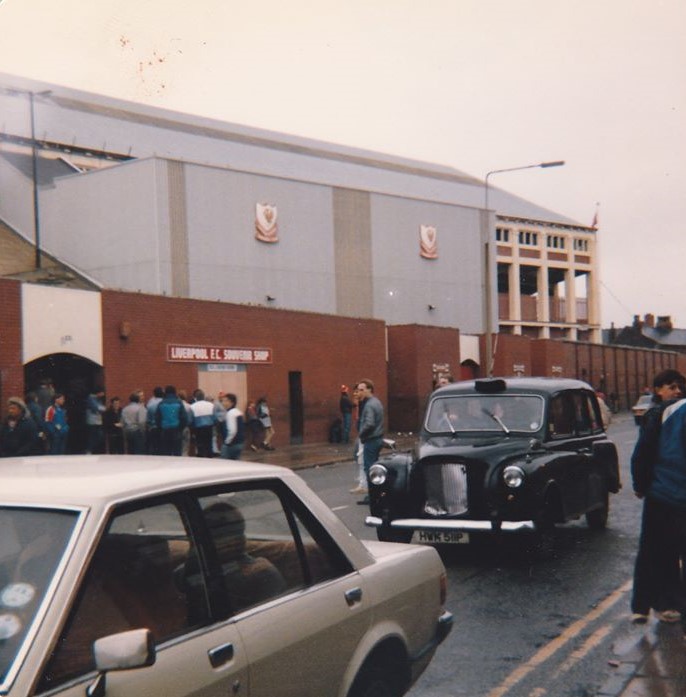
I was deposited a few hundred yards from Anfield and took a few photos of the scene that greeted me. The local scallies – flared cords and Puma trainers by the look of it, all very 1985 – were prowling as I took a photograph of the old Kop.

Travelling around on trains during this season from my home in Stoke, I was well aware of the schism taking place in the casual subculture at the time. Sportswear was giving way to a more bohemian look in the north-west – flares were back in for a season or two, muted browns and greens, greys and blues, even tweed and corduroy flares – but this look never caught on in London.

At the time, I always maintained that it was like this :

London football – “look smart.”

Liverpool and Manchester football – “look different.”

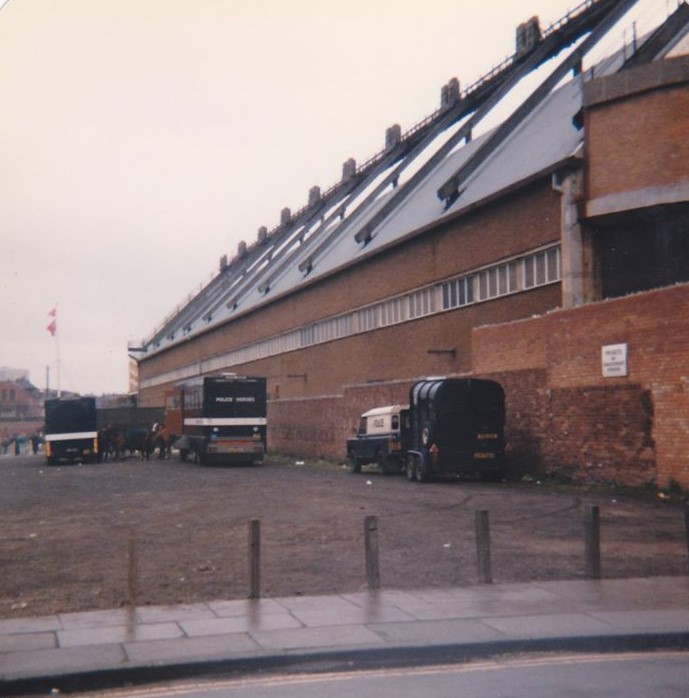
I walked past The Kop and took a photo of the Kemlyn Road Stand, complete with newly arrived police horses. You can almost smell the gloom. Note the mast of the SS Great Eastern, which still hosts a fluttering flag on match days to this day.

The turnstiles were housed in a wall which had shards of glass on the top to deter fans from gaining free entry. Note the Chelsea supporters’ coach and the Sergio Tacchini top.

I paid my £2.50 and I was inside at 10.15am.

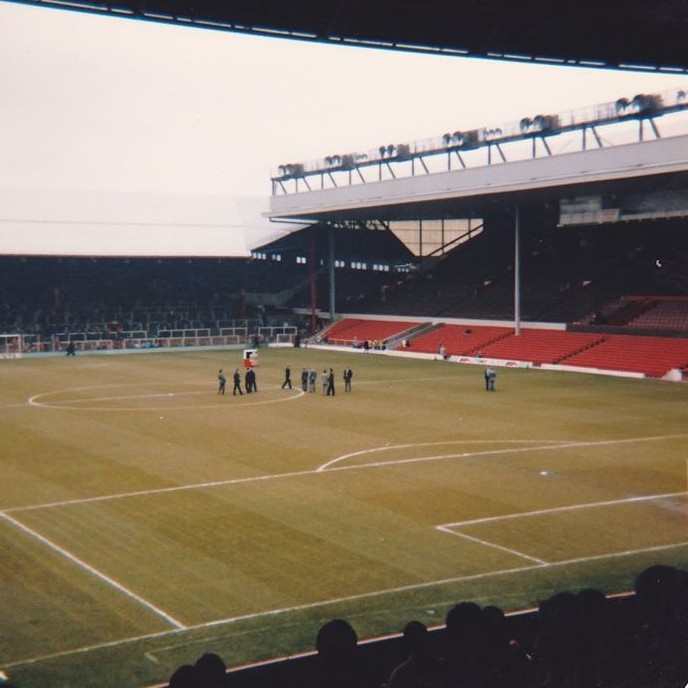
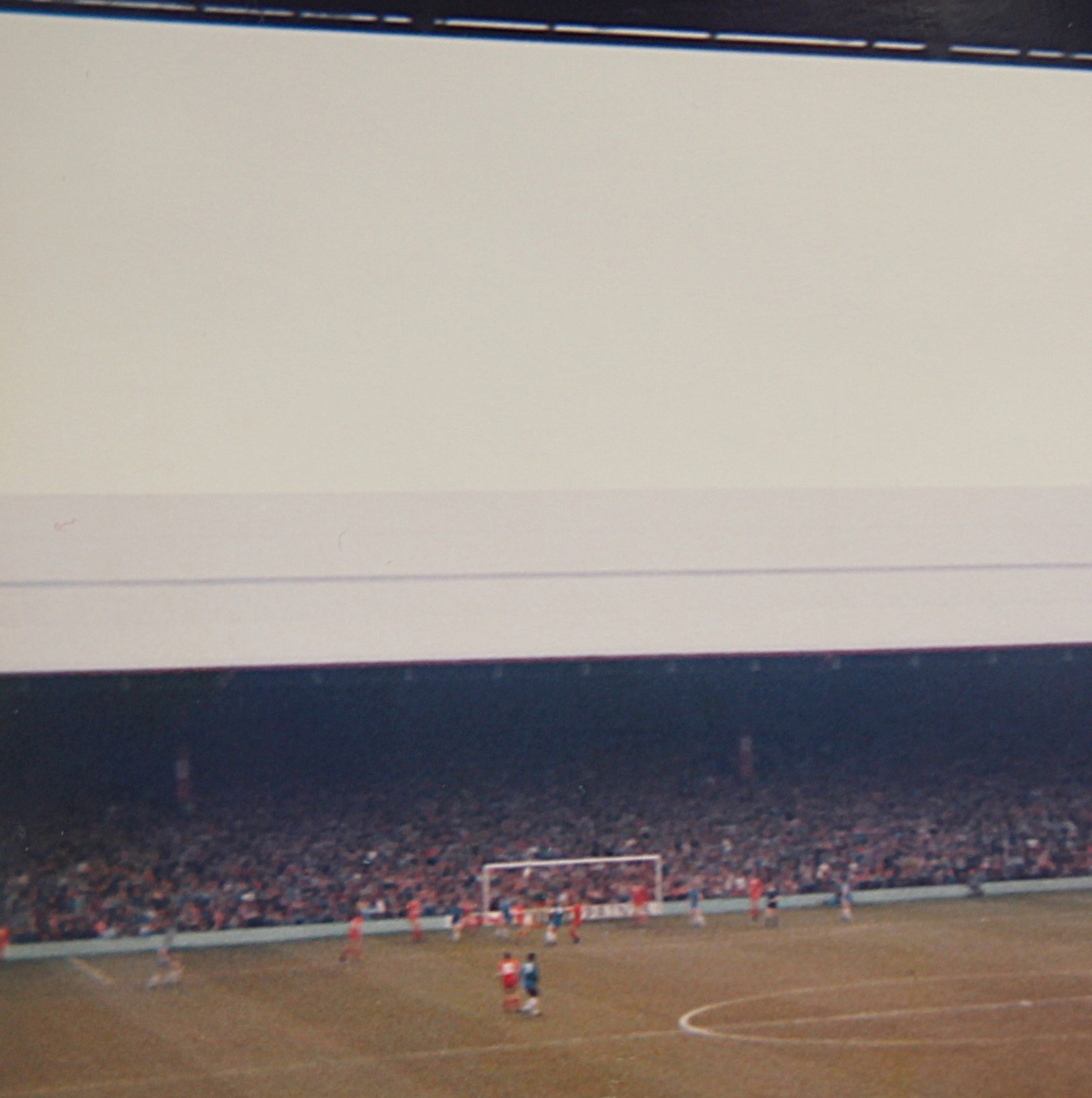
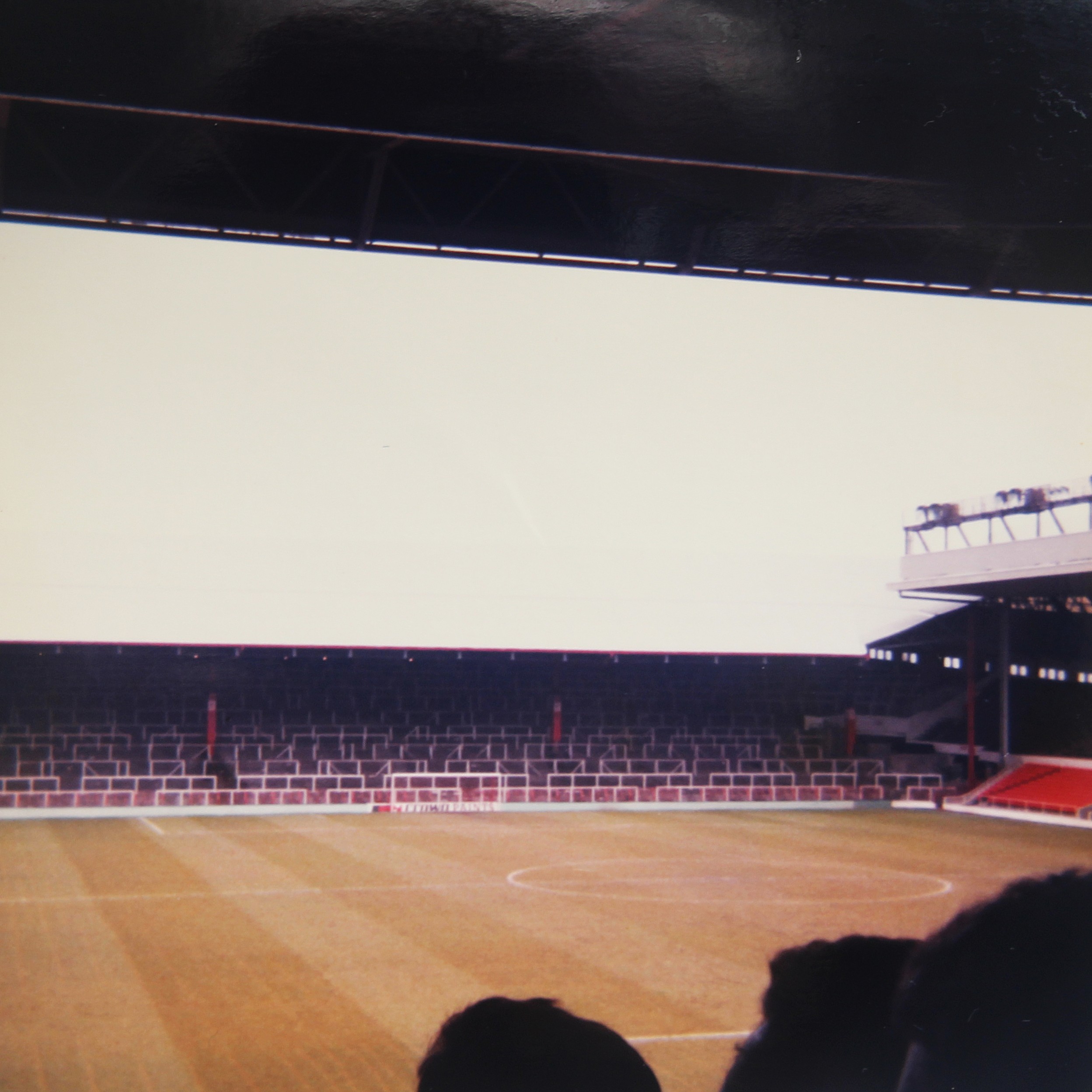
To complete this pictorial tour of Anfield before the game and to emphasise how bloody early I was on that Saturday morning – it was another 11.30am kick-off to deter excessive drinking and, ergo, hooliganism – there is a photograph of an empty, waiting, expectant Anfield. I guess that the photograph of the Chelsea squad in their suits was taken at an hour or so before kick-off. This is something we never see at games now; a Chelsea team inspecting the pitch before the game. I suspect that for many of the players, this would have been their first visit to Anfield too. Maybe that half-explains it.

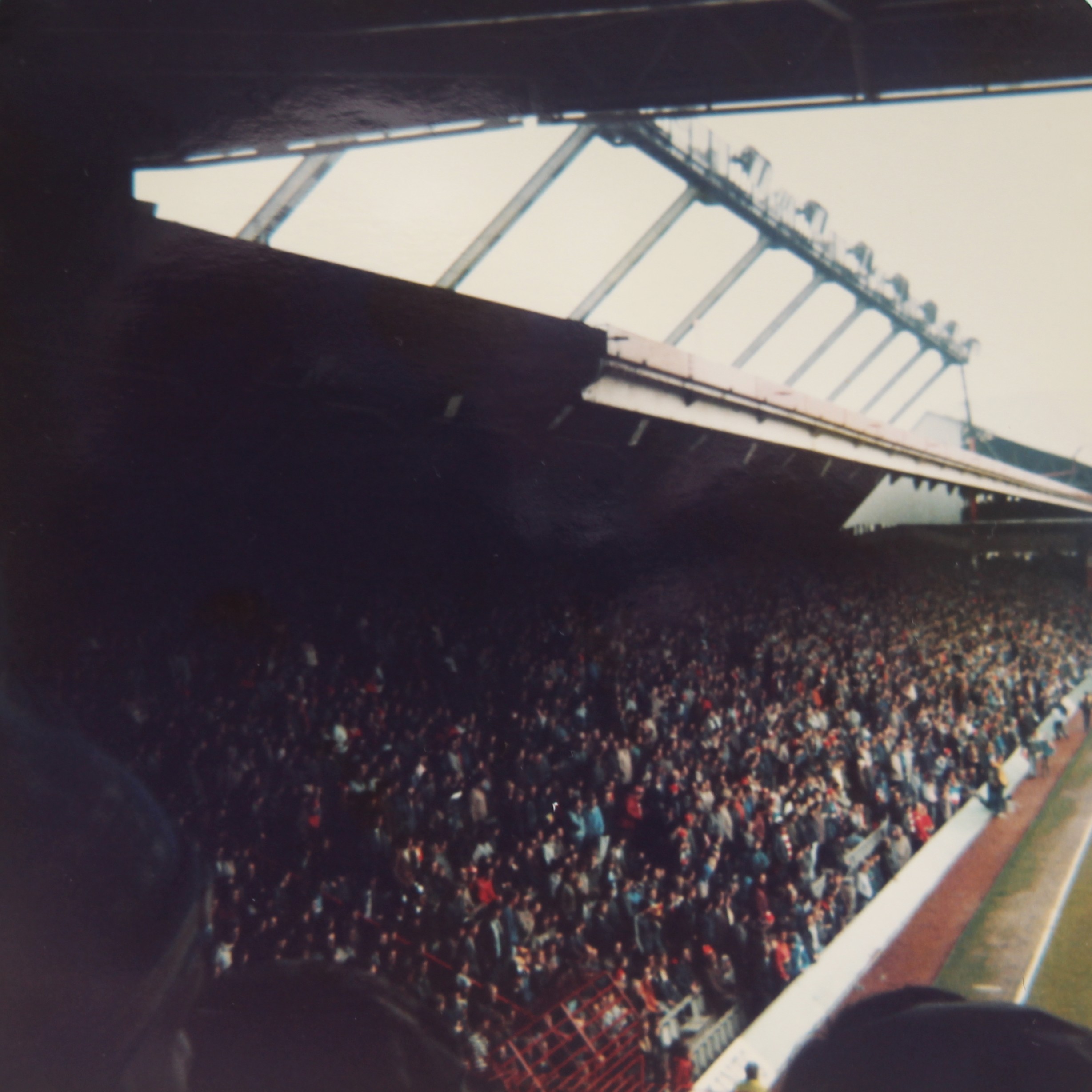
My mate Glenn had travelled up with the Yeovil supporters coach for this game and we managed to find each other, and stand together, in the packed away segment at Anfield. My mates Alan, Paul and Swan stood close by. We were packed in like sardines on that terraced section of the Anfield Road that used to meet up with the Kemlyn Road, an odd mix of angles. Memorably, I remember that a lot of Chelsea lads – the firm, no doubt – had purchased seat tickets in the Anfield Road end, mere yards away from us, and a few punches were thrown. Even more memorably, I remember seeing a lad from Frome, Mark – a Liverpool supporter in my year at school – with two others from Frome only yards away in those very same seats.

The look we gave each other was priceless.

I see Mark at lots of Frome Town games to this day.

This was a cracking game. We went behind early on when Ronnie Whelan headed past Eddie Niedzwiecki and we soon conceded two more, both via Steve Nicol. We were 3-0 down after just ten minutes.

Welcome to Anfield.

We then played much better – my diary noted that it was the best we had played all season – and Nigel Spackman scored via a penalty at The Kop. Our fine play continued after the break, and Kerry Dixon slotted home in the six-yard box. Alas, a quick Liverpool break and a cross from their right. Ian Rush stuck out a leg to meet the ball at the near post and the ball looped over Niedzwiecki into the goal. My diary called it an exquisite finish and who am I to argue? I suppose, with hindsight, it was apt for Rush to score a goal at The Kop in my first ever game at Anfield. Writing these words forty years later, takes me right back. I can almost remember the gnawing inevitability of it.

Five minutes later, on about the sixty-fifth minute, Gordon Davies volleyed a low shot into the corner down below us.

Liverpool 4 Chelsea 3.

Wow.

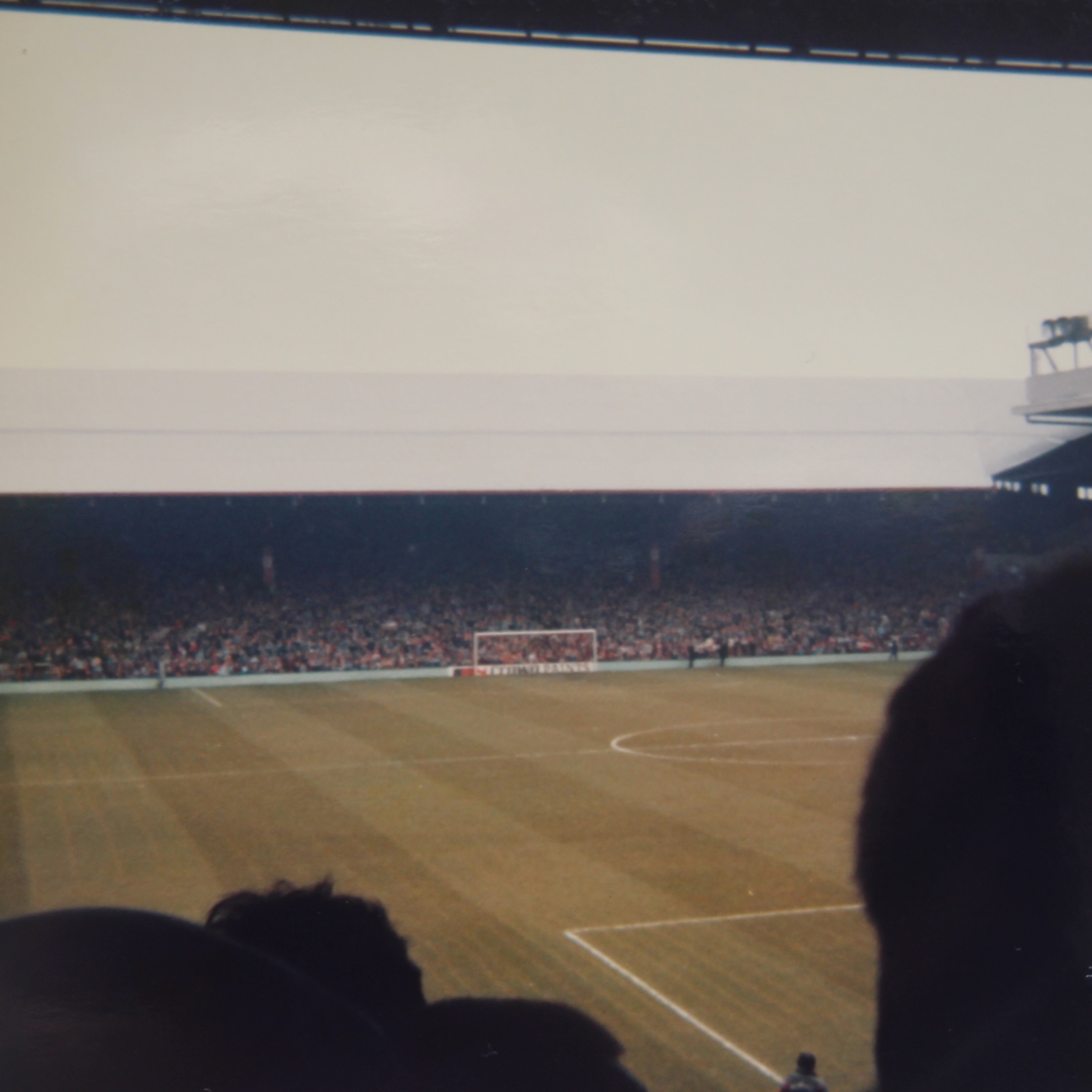
We played so well in the remainder of the match but just couldn’t squeeze a fourth goal. We had outplayed them for a large part of the game. I remember being really surprised that Anfield was so quiet, and The Kop especially. Our little section seemed to be making all of the noise.

“EIO, EIO, EIO, EIO.”

“Ten Men Went To Mow.”

In that cramped, tight enclosure, this was a big moment in my life. I left Anfield exhausted, my throat sore, my brain fizzing with adrenalin, my senses heightened, drained.

We were all forced to take buses to Edge Hill, a train station a few miles out of Lime Street. Once there, I spotted a Chelsea lad that I recognised from Stoke, waiting with the rest of our mob, and preparing their next move, back into the city no doubt.

It took me forever to wait for a train that took me back to Crewe, where I needed to change for Stoke. I was, in fact, one of the last two Chelsea fans to leave Edge Hill that day.

These are some great memories of my first trip to Anfield.

Over the following forty years, I would return twenty-seven more times.
Back to 2025, and this was my fiftieth game against Liverpool at Stamford Bridge.

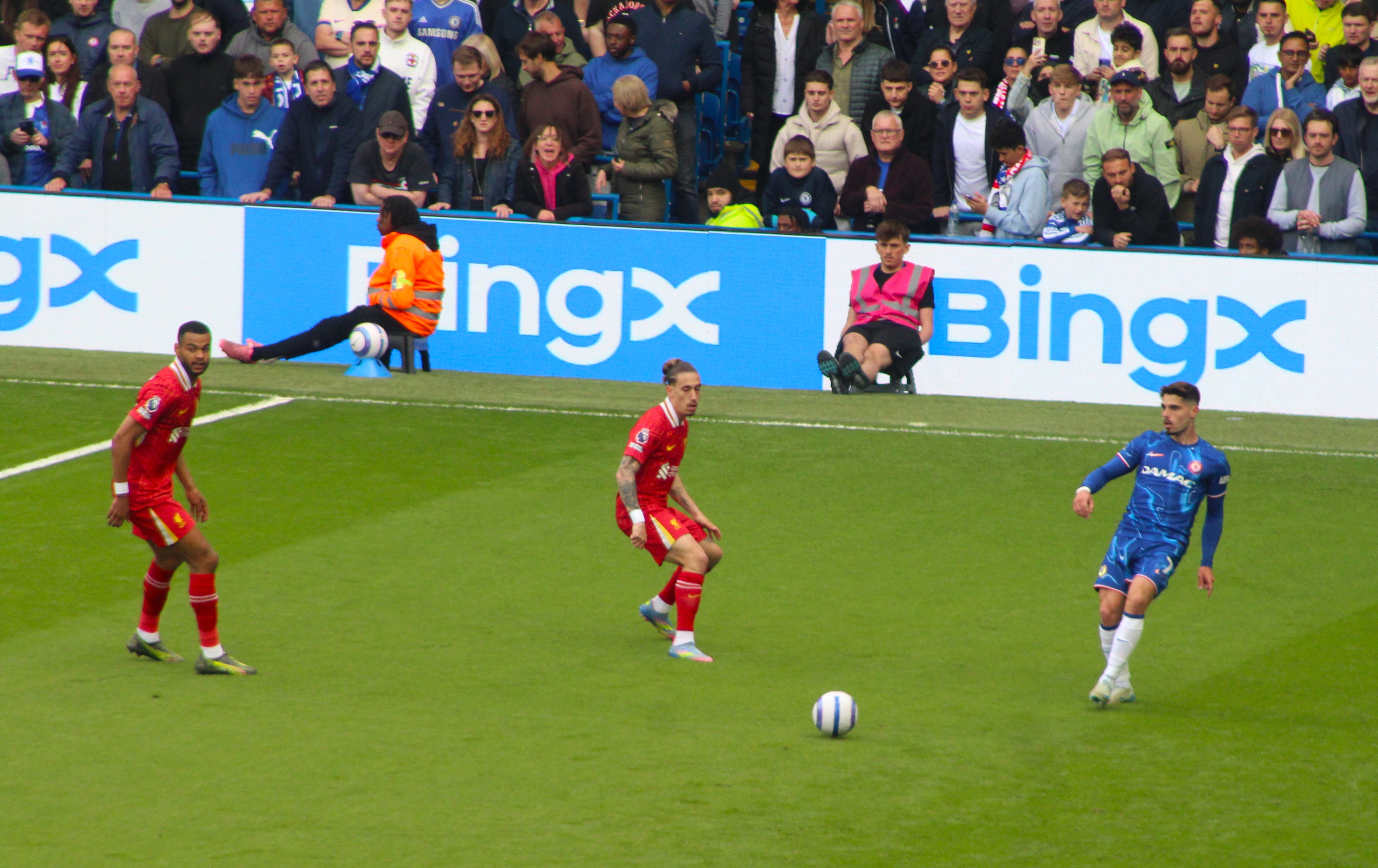
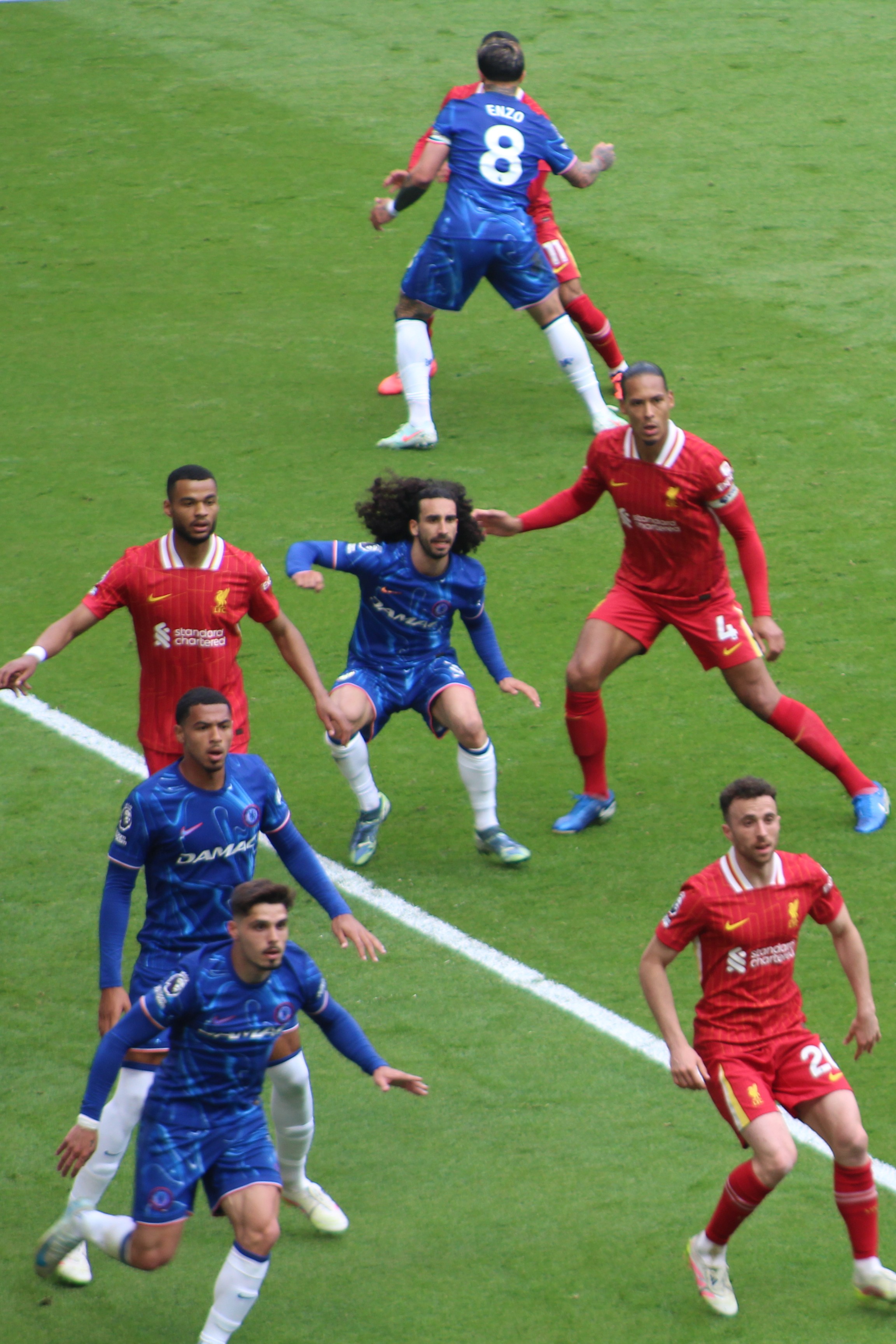
We lined up with a very strong formation, with the return of Romeo Lavia squeezing Moises Caicedo to right back and keeping Reece James on the bench.

Sanchez

Caicedo – Chalobah – Colwill – Cucurella

Lavia – Fernandez

Neto – Palmer – Madueke

Jackson

Liverpool were a mixture of familiar names and not-so-familiar names. I think I can name every single one of their 1985 squad, much less their 2025 version.

There were boos as both teams took to the pitch. I just stood silent with my hands in my pockets.

Within the first thirty seconds, or so it seemed, a pass from deep from Virgil Van Dijk set up Mo Salah. He attacked us from the right before attempting a low cross that was well gathered by Robert Sanchez.

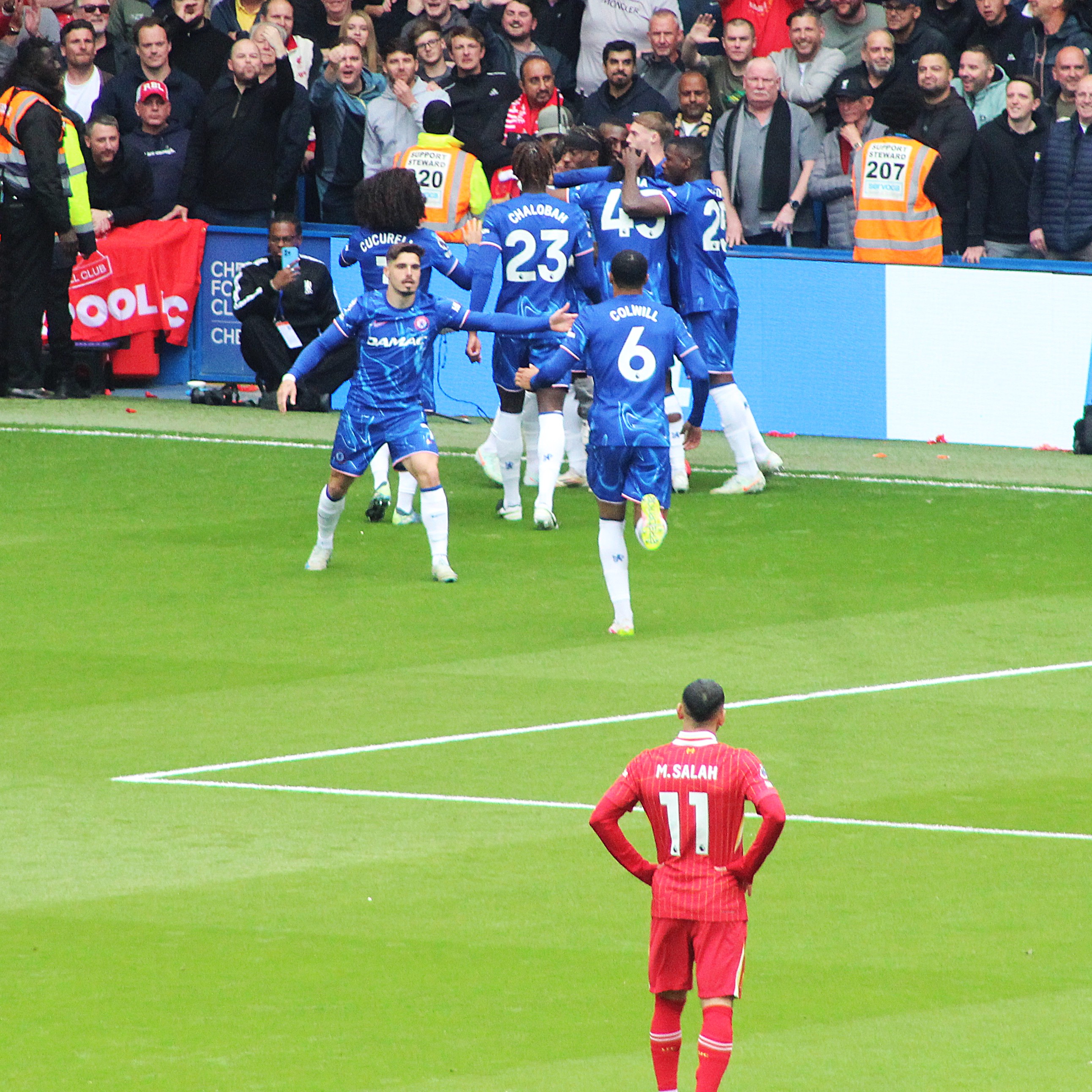
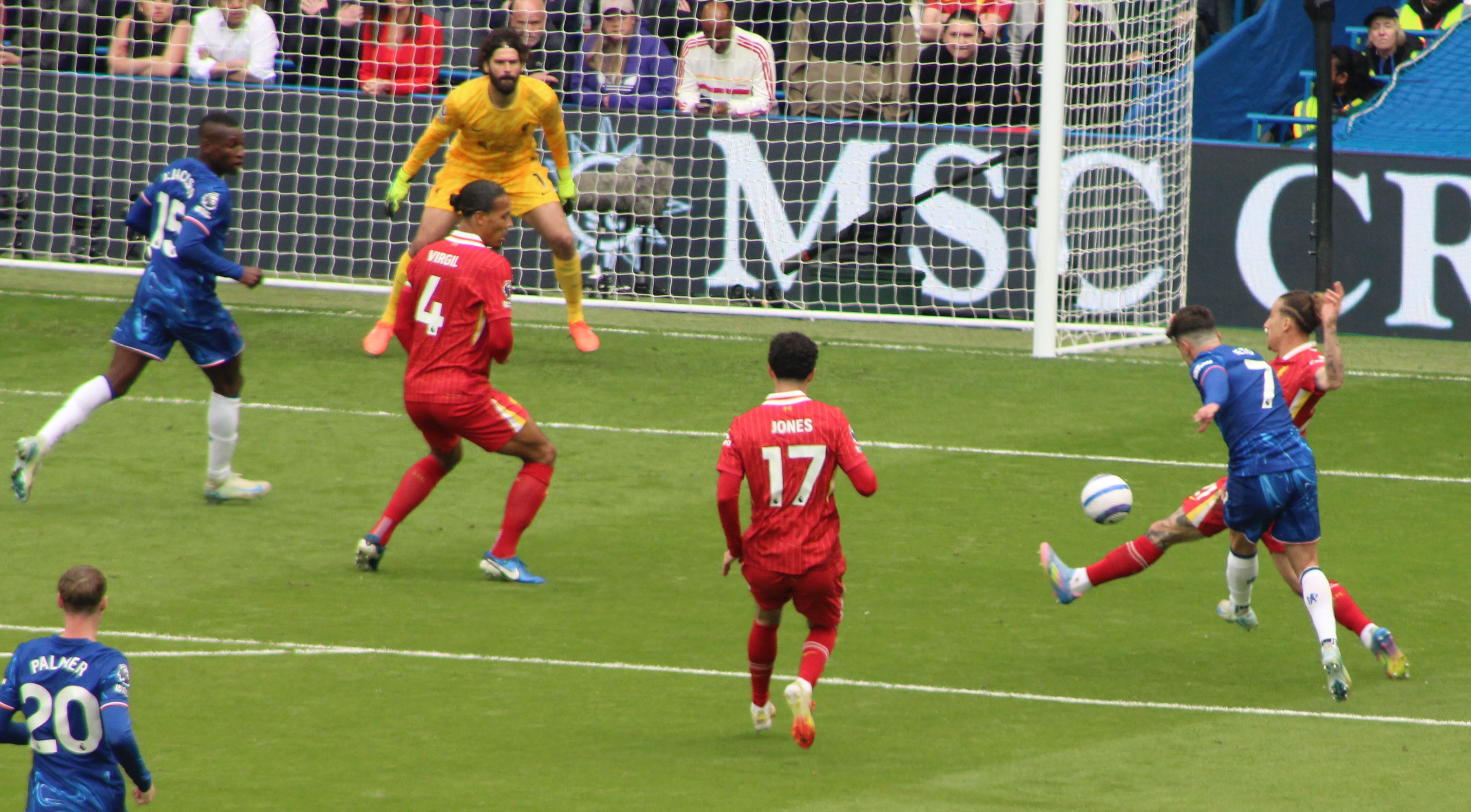
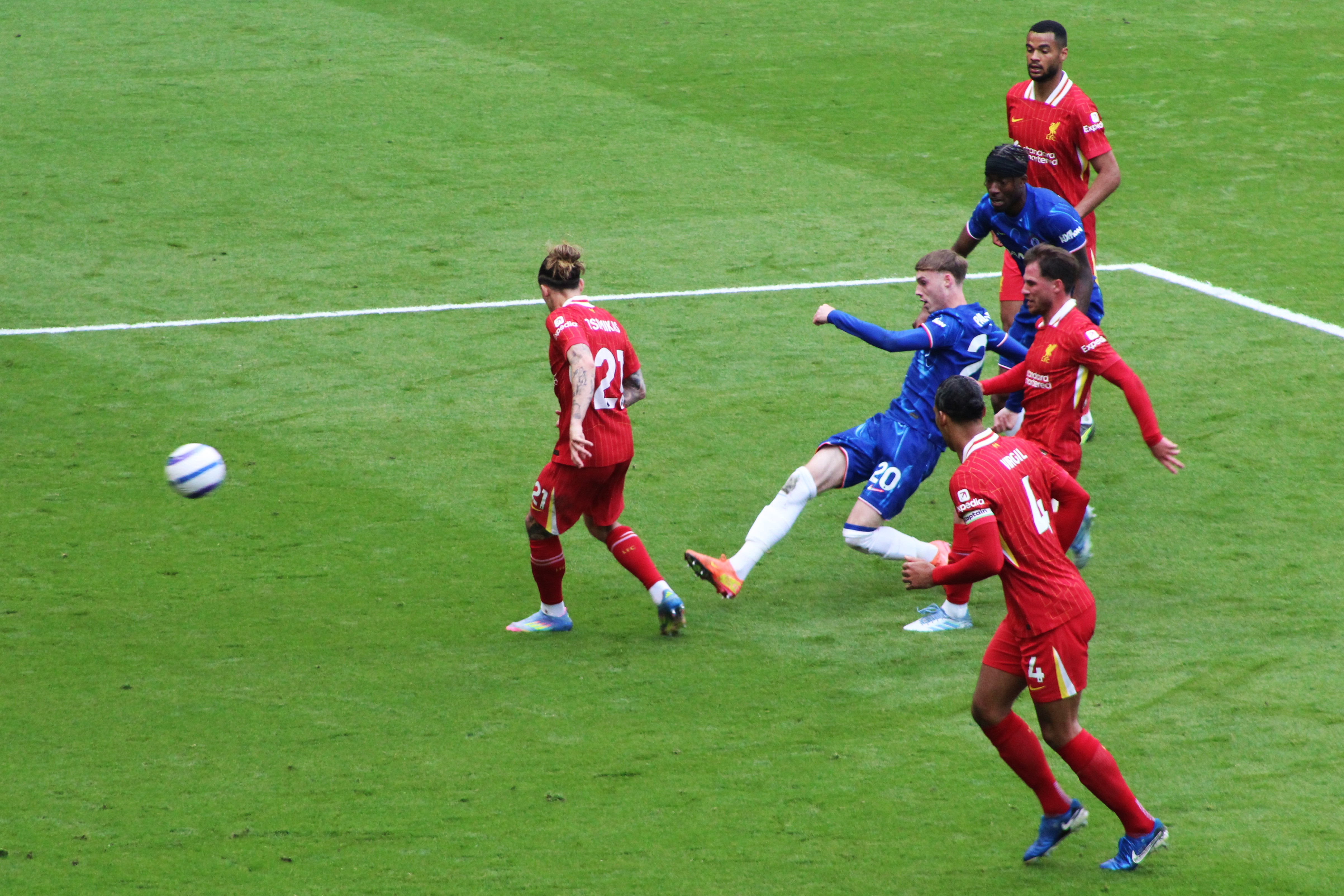
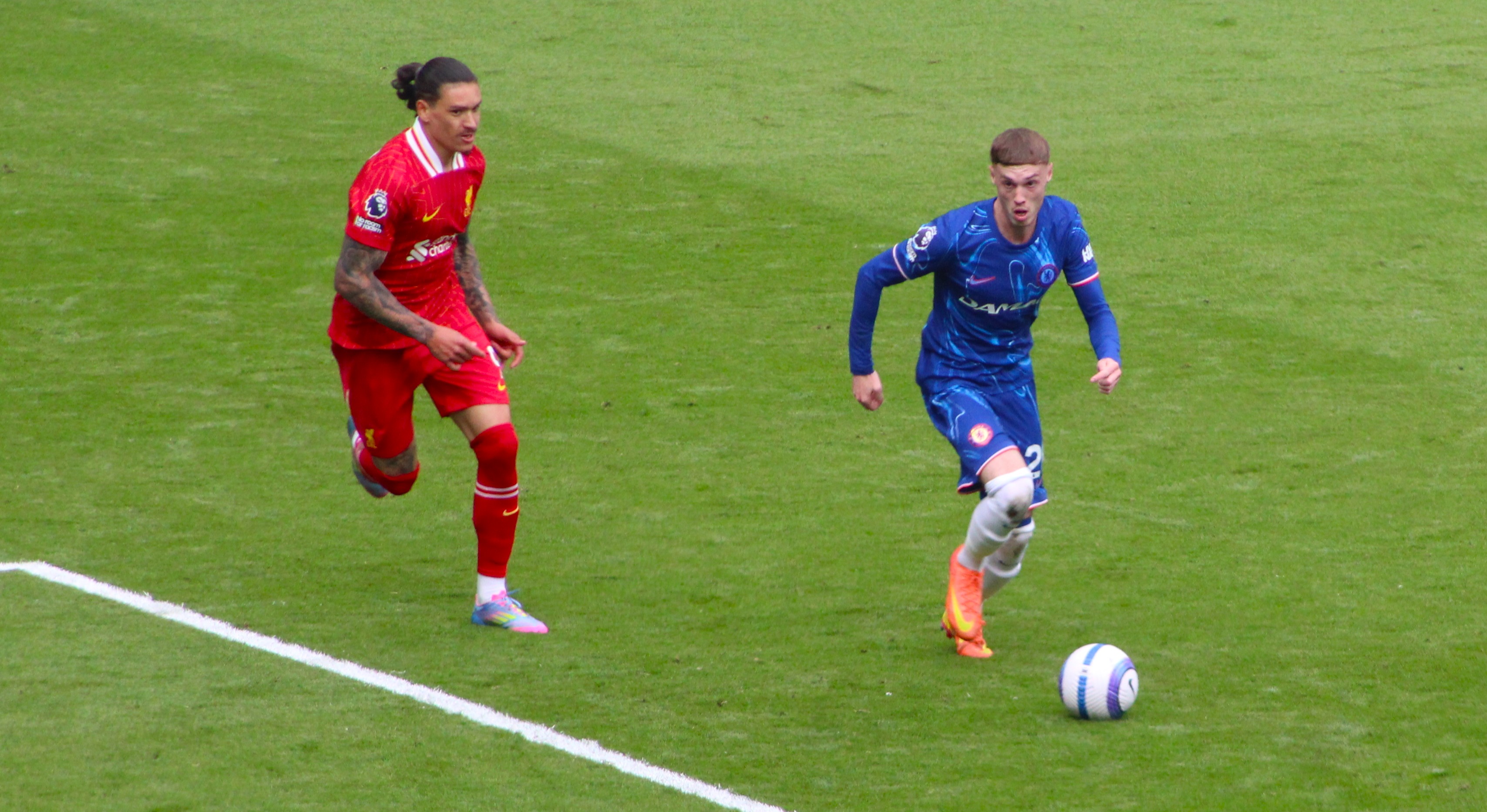
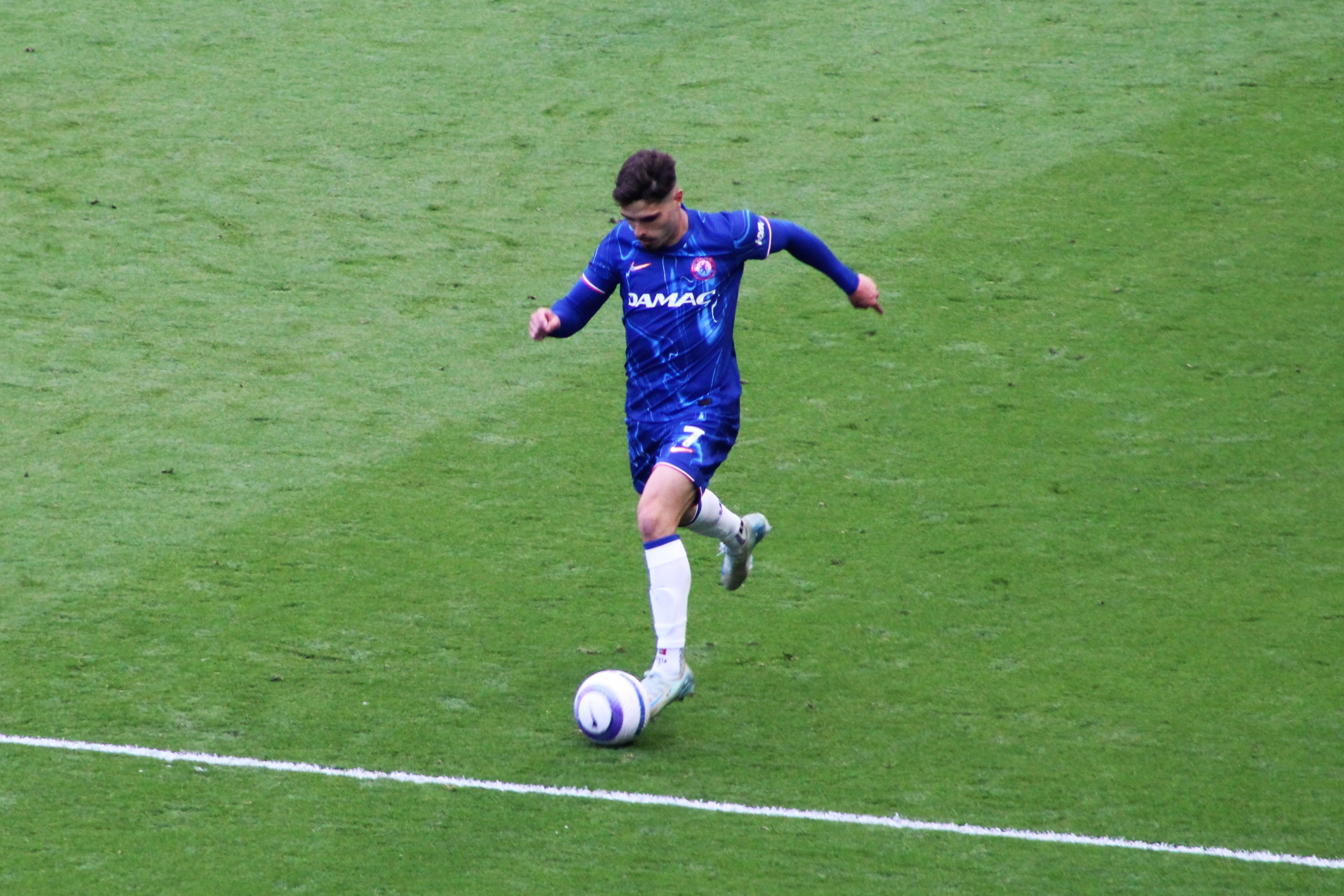
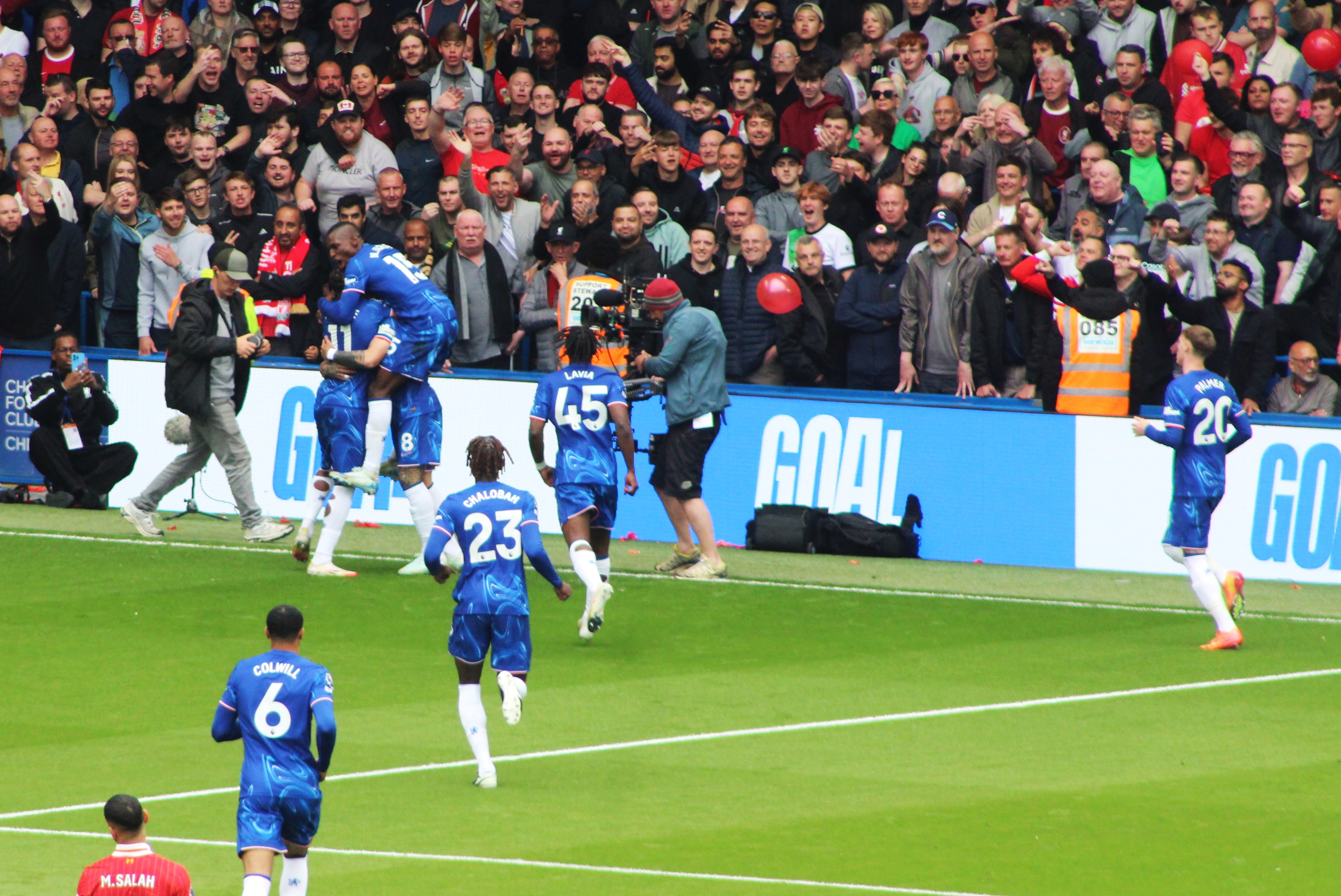
This was a noisy Stamford Bridge, and the game had begun very lively. After just three minutes, we witnessed a beautiful move at pace. Romeo Lavia came away with the ball and slipped it through to Cole Palmer. The easy ball was chosen, outside to Pedro Neto. He advanced and I looked over to see Nicolas Jackson completely unmarked on the far post. However, after moving the ball on a few yards, Neto spotted the Lampardesque run of our current number eight and our Argentinian was able to kill the ball with his left foot and stroke it home with his right foot, past the diving Alisson, and Stamford Bridge went into orbit.

This was an open game, and Madueke’s shot whizzed past the post while Robert Sanchez saved well from Cody Gakpo.

Liverpool enjoyed a little spell around the fifteen-minute mark, but we were able to keep them at bay. I loved how Lavia and Caicedo were controlling the midfield. On twenty-three minutes, a magnificent sliding block from Trevoh Chalobah robbed Liverpool a shot on goal.

As the half-hour approached, I felt we were riding our luck a little as balls bounced into space from defensive blocks and clearances rather than at the feet of the opponents.

On thirty-one minutes, Noni Madueke played a one-two with Marc Cucurella, and his shot was inadvertently blocked by Jackson. The ball ran on to Caicedo, who dropped a lob onto the bar from the byline down near Parkyville.

On forty-one minutes, a snapshot from Neto hit the side netting. Just after, Jackson played in Madueke, who rounded Alisson to score, only for the goal to be chalked off for offside.

By now, the Liverpool lot, despite a flurry at the start, were quiet in their sunny corner of the stadium.

Liverpool did not seem to be creating as many threats as expected, and I was quietly confident at the break that we could hold on for a massive three points. I loved how Neto was playing, out wide, an old-fashioned winger, and Lavia, Caicedo and Enzo were a solid, fluid and combative three when we had the ball. Some of Jackson’s touches were, alas, woeful.

Into the second half, a magnificent burst from Madueke down in front of us – just a joy to watch – but a weak finish from that man Jackson. Just after, Nico slipped in the box. Just after, a fantastic dummy by Madueke out on the line, a little like Jadon Sancho at Palace, but he then gave the ball away cheaply.

Wingers are infuriating buggers, aren’t they?

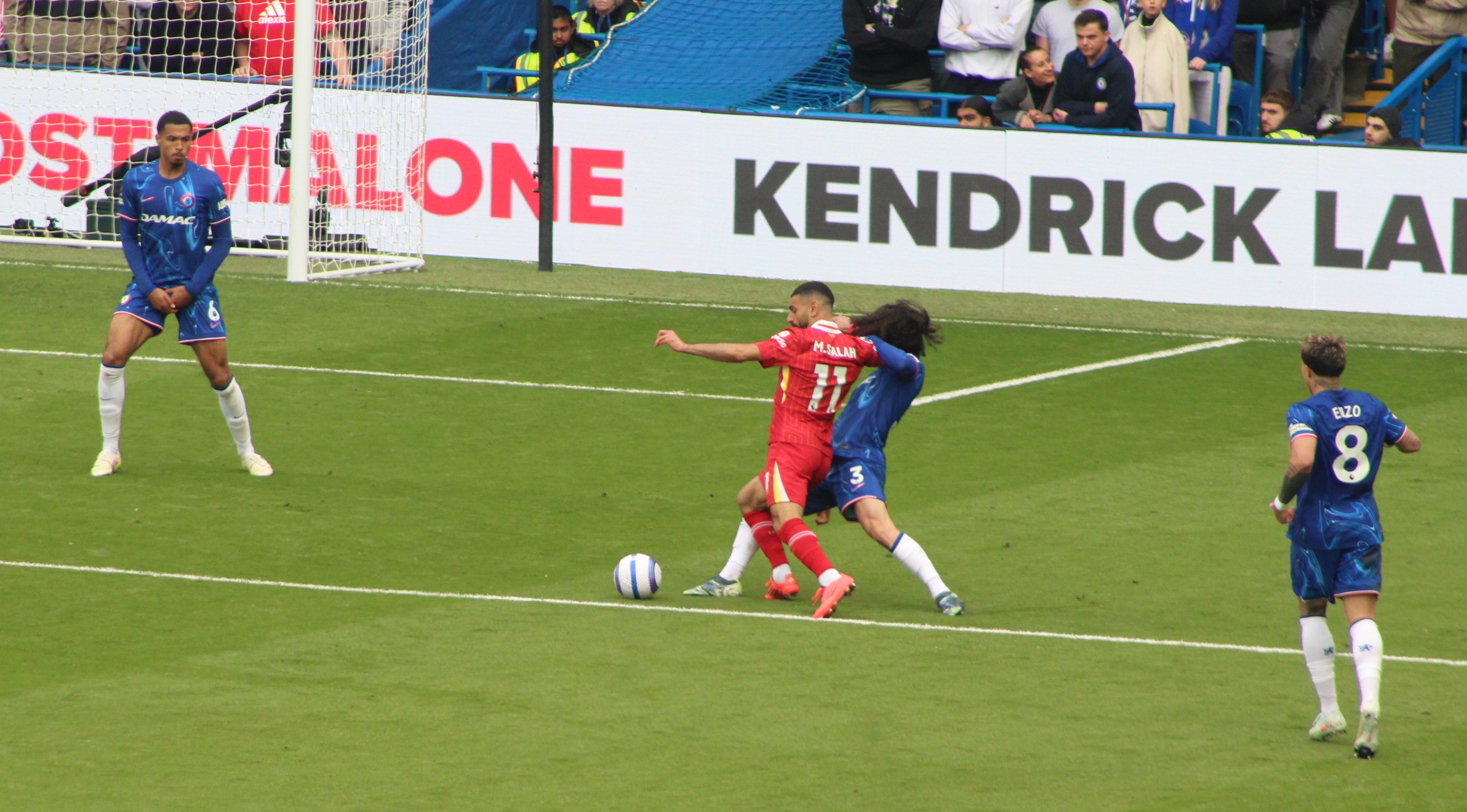
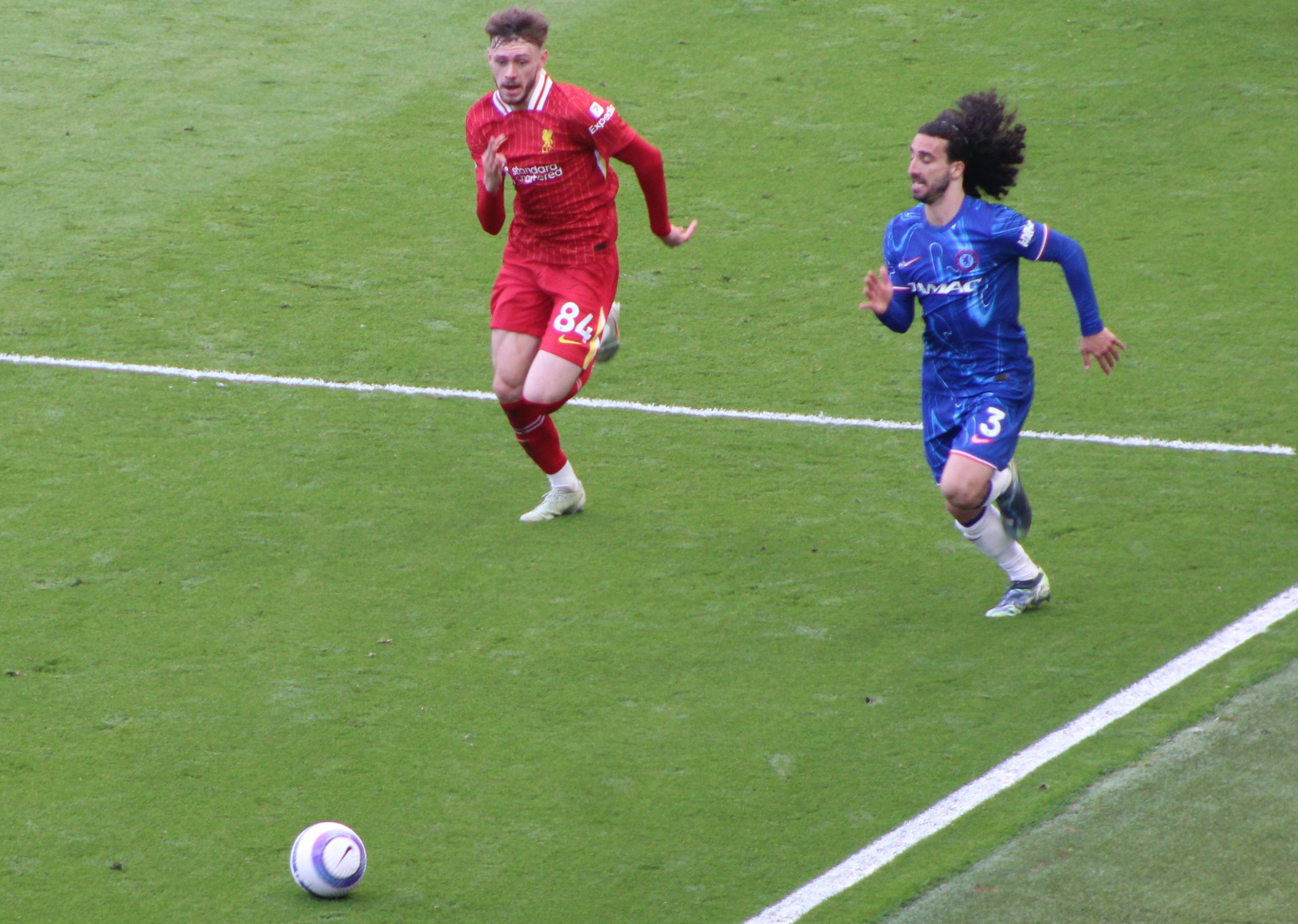
At the other end, we watched a lovely old-fashioned tussle between Salah and Cucurella on the edge of our box.

Only one winner, there.

“He eats Paella, he drinks Estrella.”

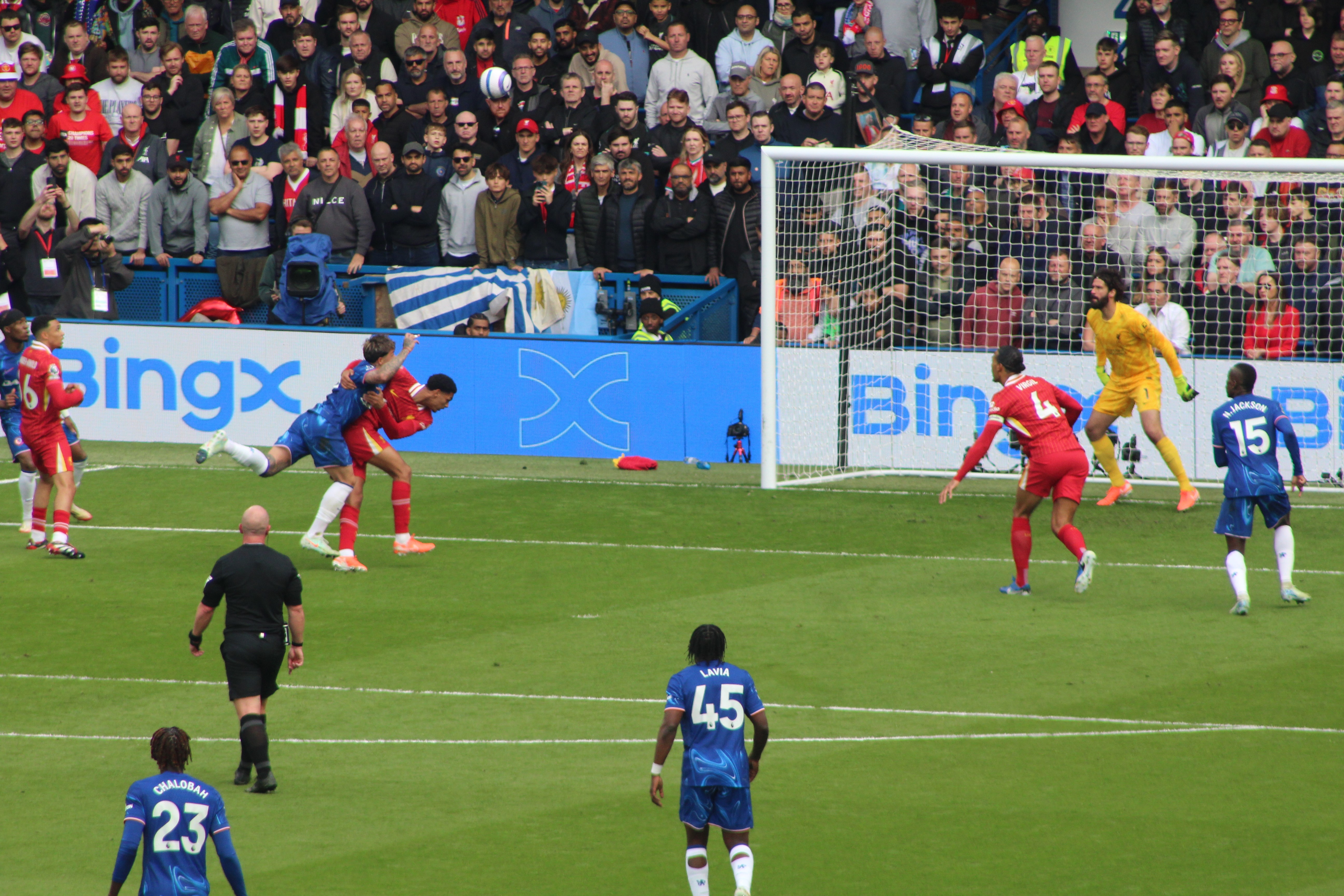
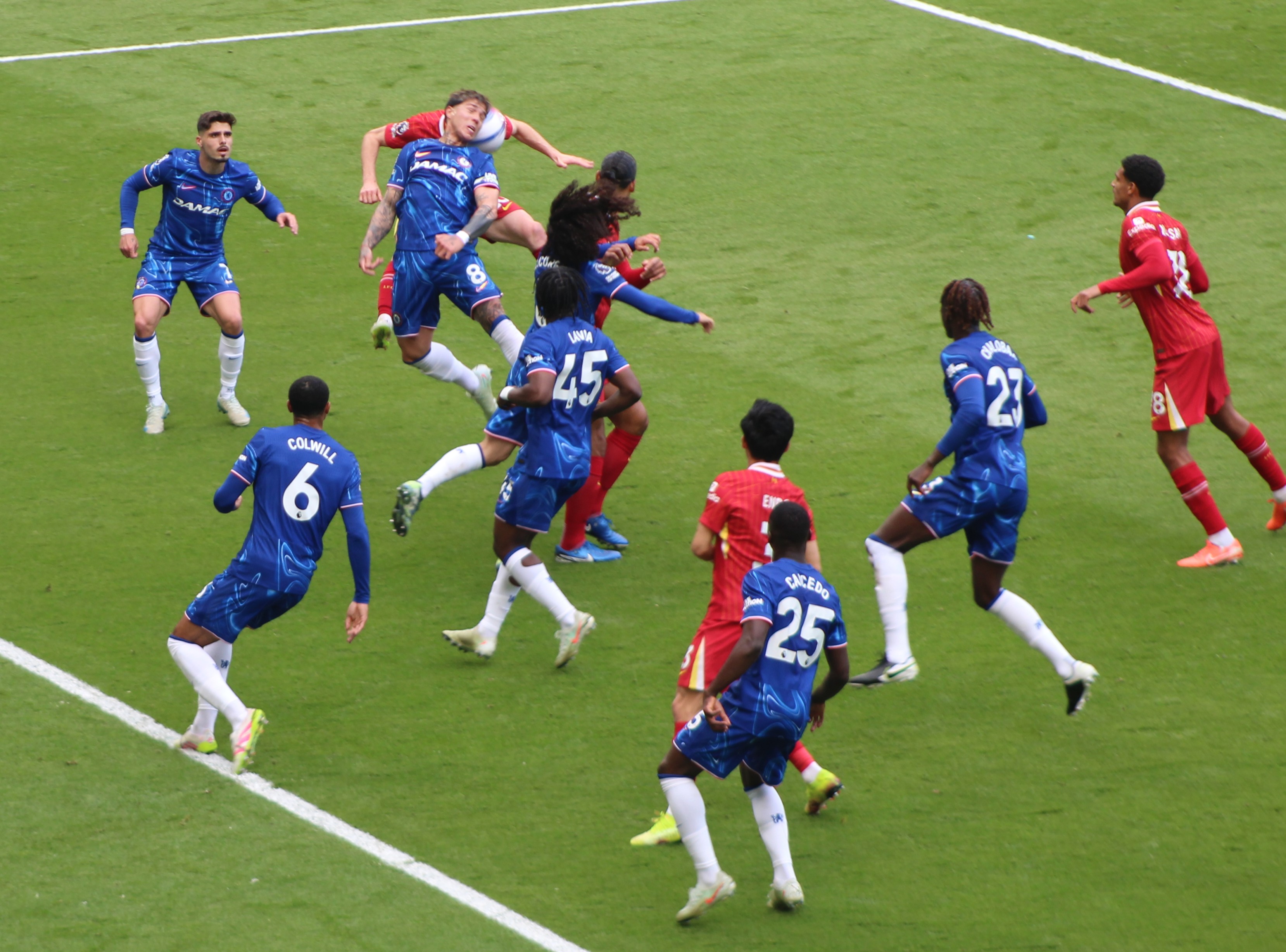
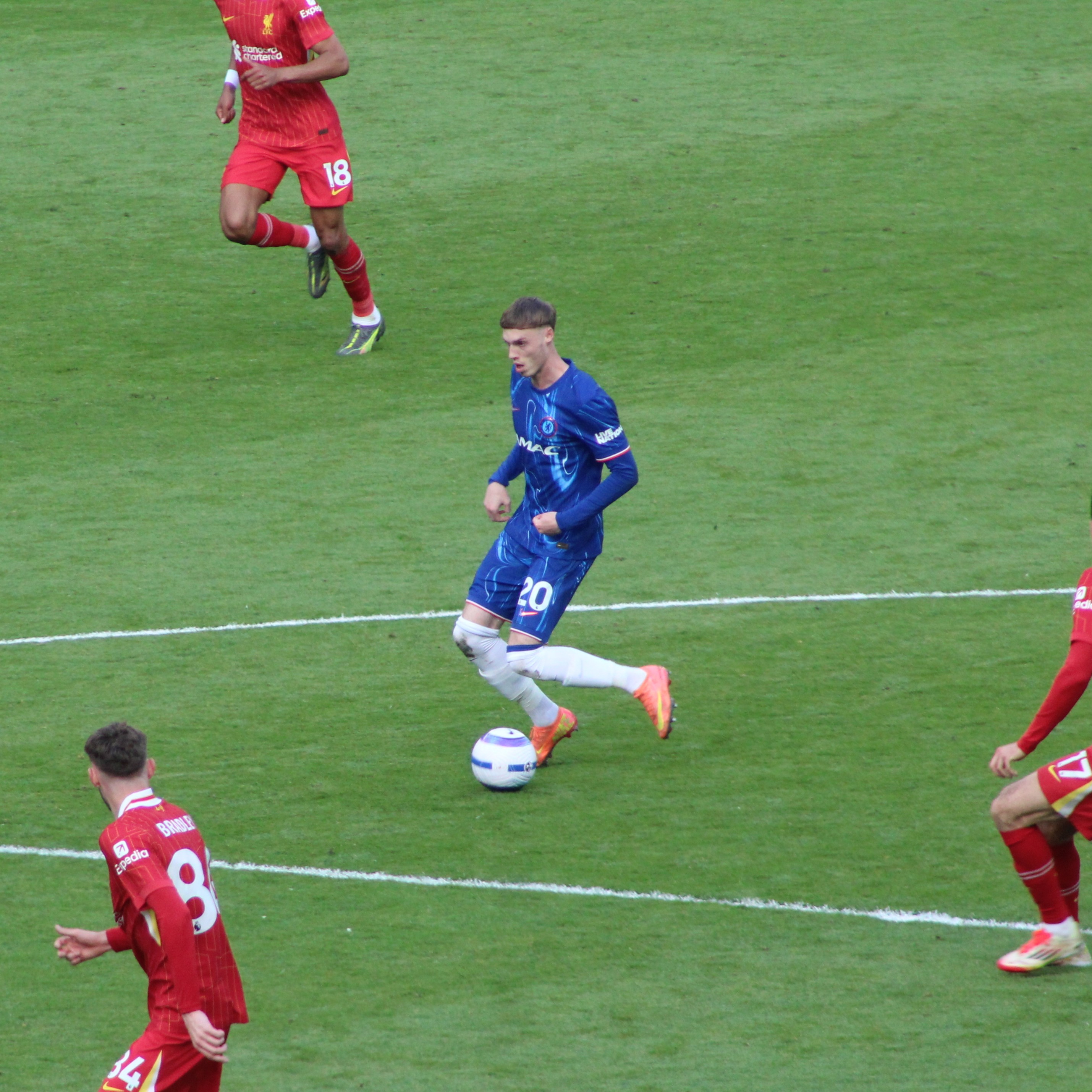
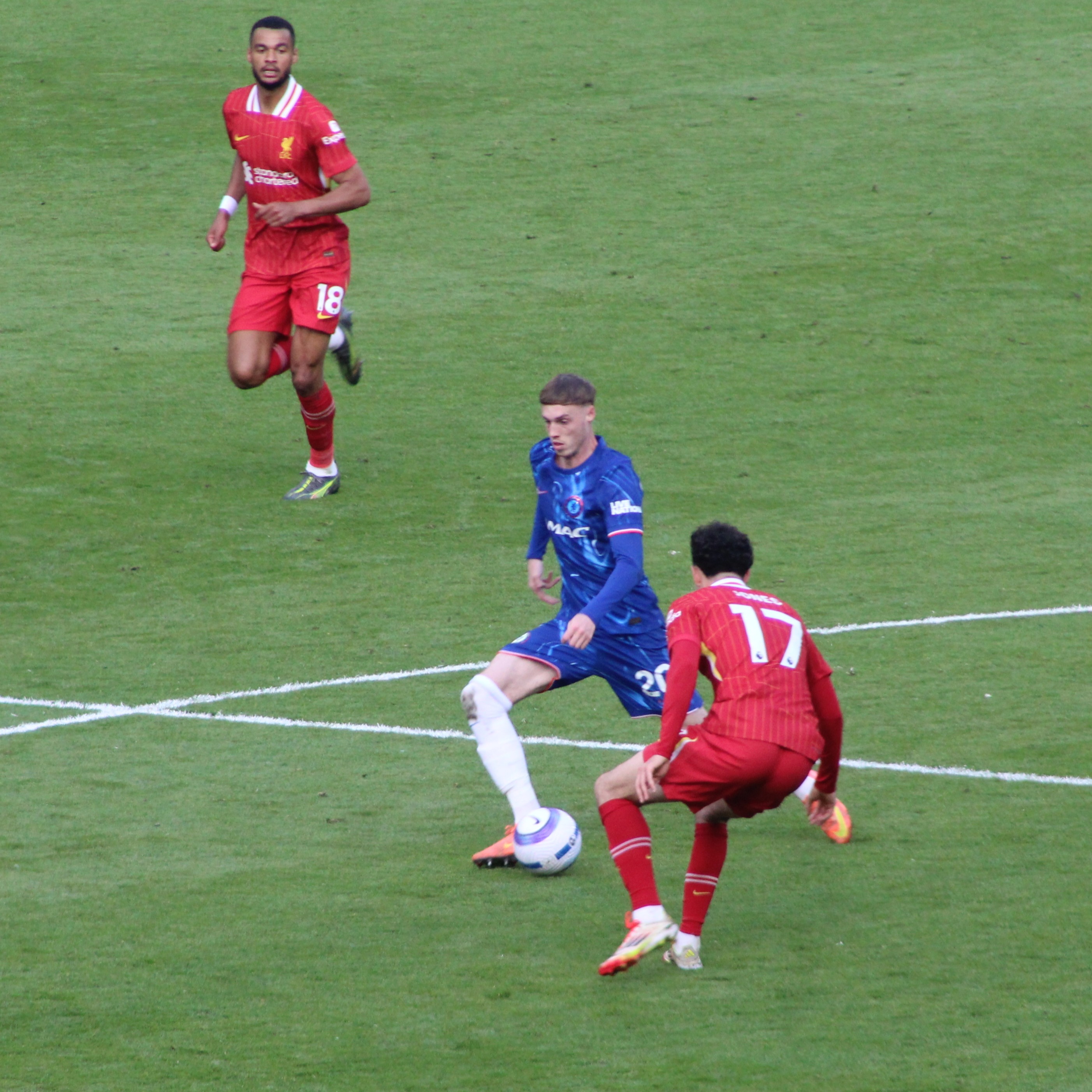
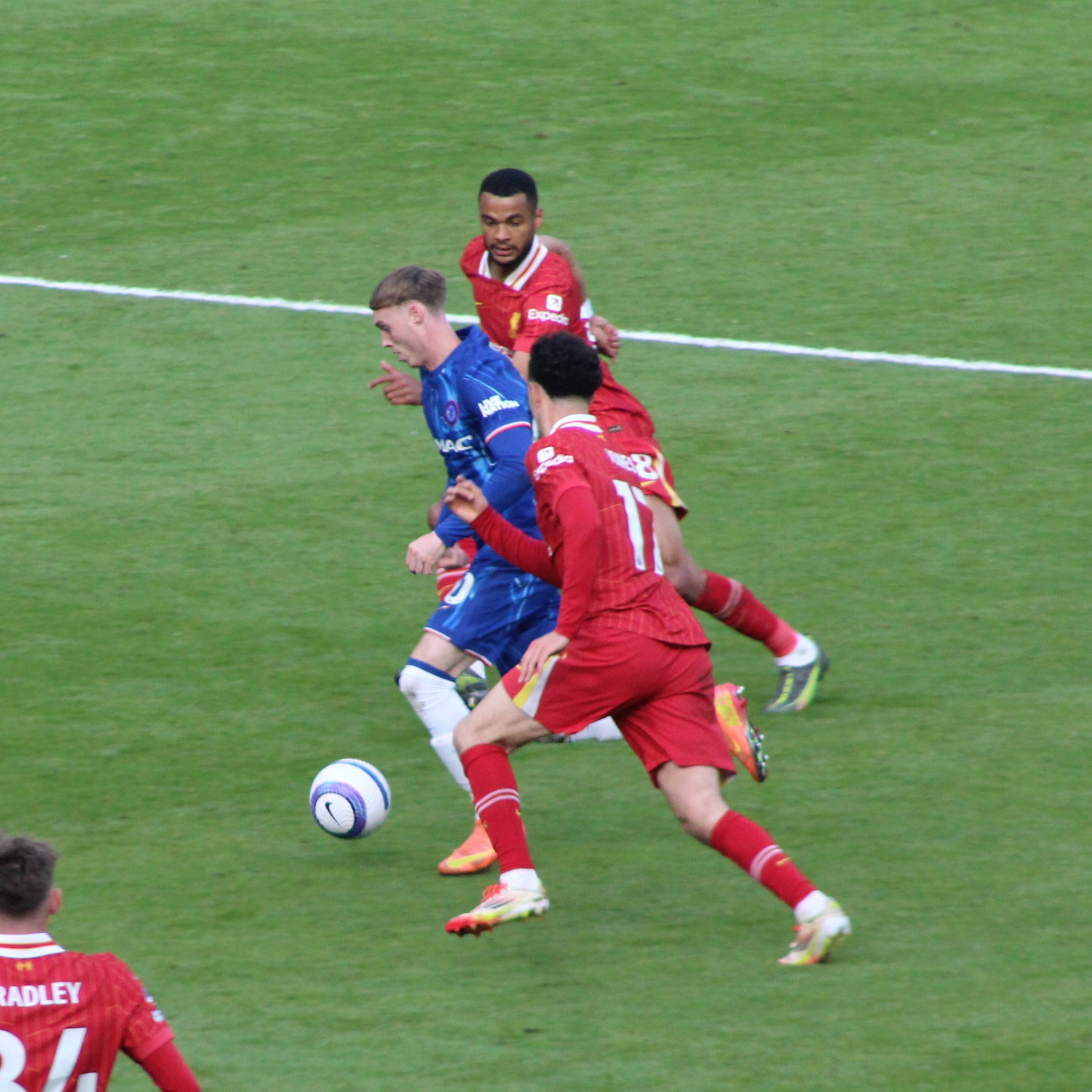
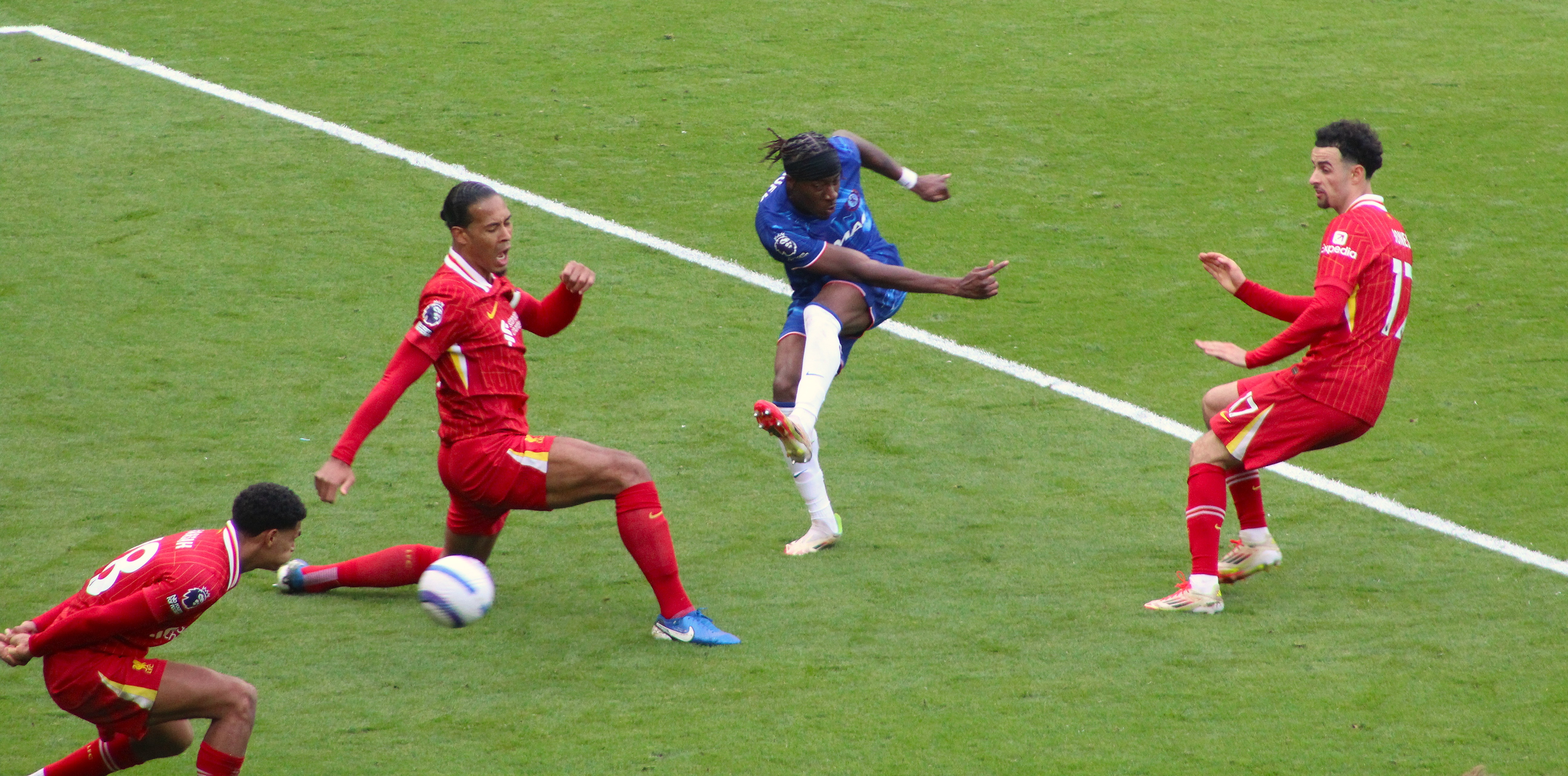
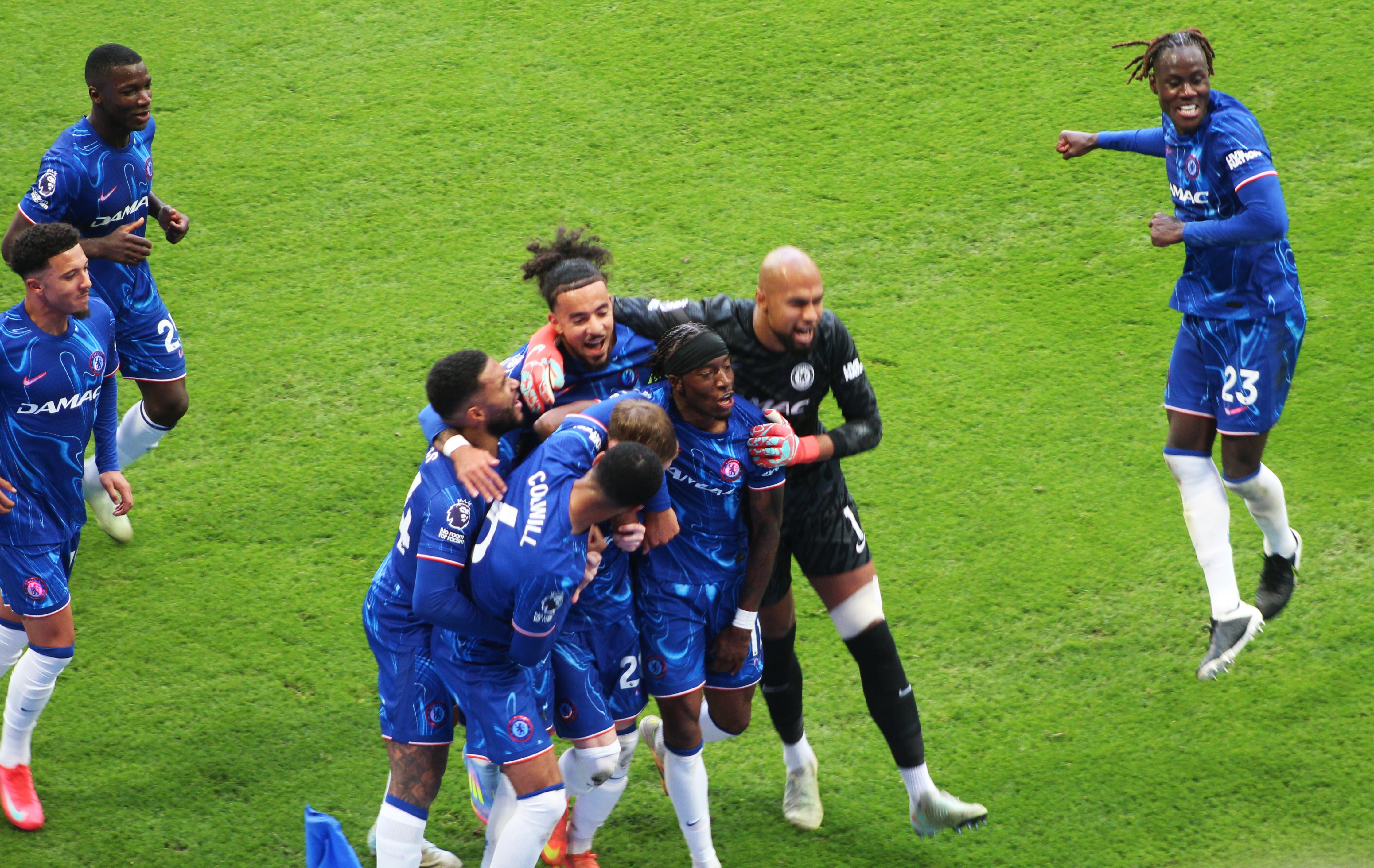
On fifty-six minutes, Palmer shimmied into the right-hand side of the box and sent over a low cross towards Madueke. He touched the ball goalwards, but in the confusion that followed Van Dijk slashed at the ball and it ricocheted off Jarrell Quansah and into the goal, not that I had much of a clue what on Earth was going on. I just saw the net ripple.

It was an odd goal, in that nobody celebrated too quickly, as the spectre of VAR loomed over us all. The build-up to the goal included so many instances of potential VAR “moments” that I think it conditioned our thinking.

To our relief, no VAR, no delay, no problems.

But – VAR 1 Football 0.

Sigh.

Not to worry, we were up 2-0, and I had to ask the lads if they could remember the last time that we had beaten Liverpool in a league game at Stamford Bridge. Nobody could.

On the hour, Jackson worked himself into a great position but selfishly tried to poke the ball in from a very tight angle.

Liverpool, coming out of their shell now, enjoyed some chances. A great diving header from Levi Colwill denied them a shot on goal, and then they wasted a free header from a Salah cross.

On seventy minutes, another great slide from Our Trev denied them a shot. He was enjoying a magnificent game.

Another Liverpool header went wide.

This really was an open game.

On seventy-two minutes, Jadon Sancho replaced Nico, who is soon to enrol in the parachute regiment.

More Chelsea chances came and went. A shot from Madueke was blocked, a rasper from Sancho was saved well by Alisson, Palmer wriggled free and somehow hit the post from a ridiculously tight angle.

This was breathless stuff.

Another shot from Palmer, who looked rejuvenated.

“He wants it now.”

On seventy-eight minutes, Malo Gusto replaced Lavia, who had been a revelation.

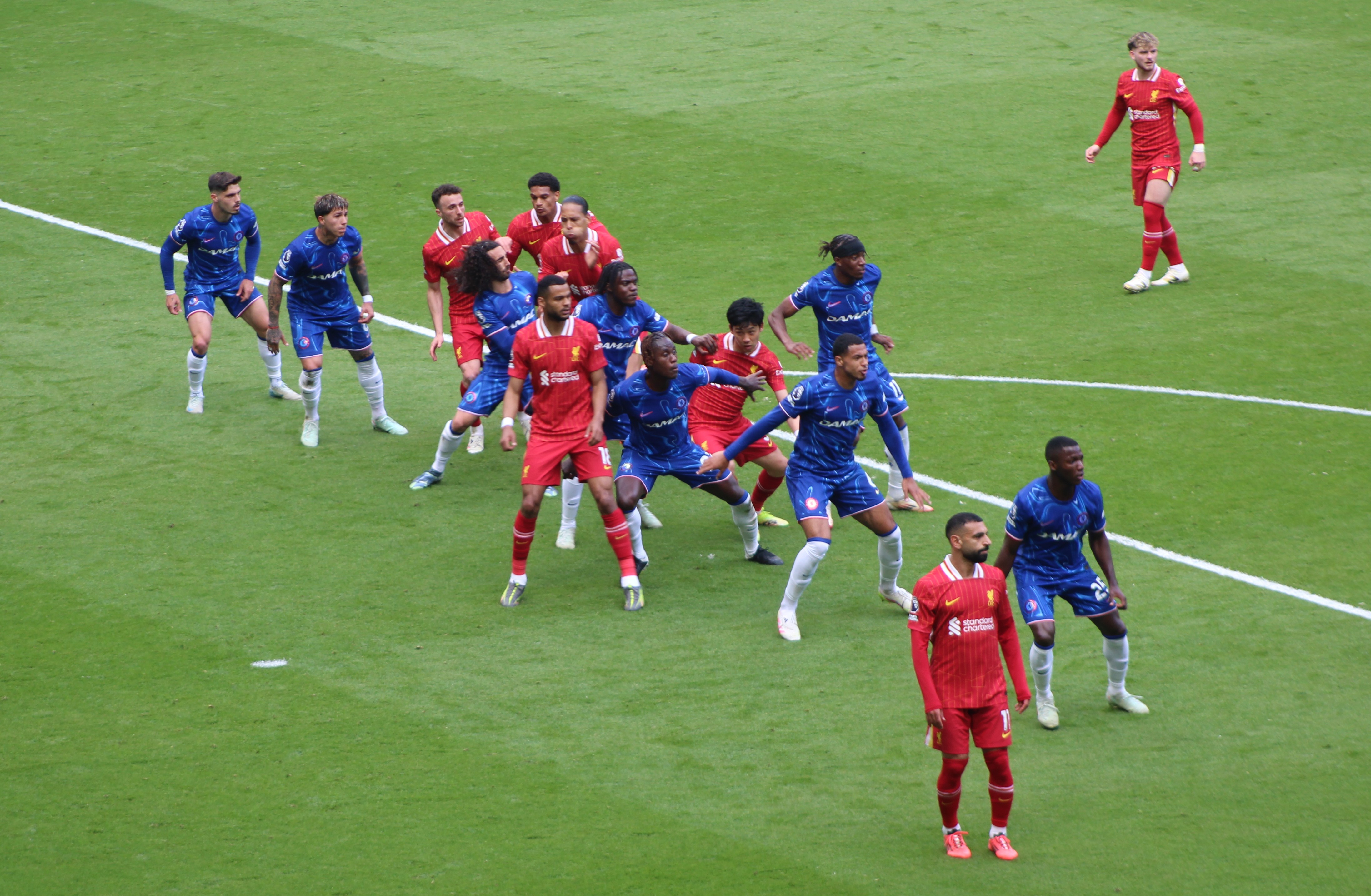
On eighty-five minutes, a free header from Van Dijk, from an Alexis Mac Allister corner, and they were back in the game.

This caused our hearts to wobble, and as the game continued, we watched with increasing nervous concern. Just after, the next move, Palmer forced another save from Alisson, who was by far the busier ‘keeper.

A fine move, but Neto shot over.

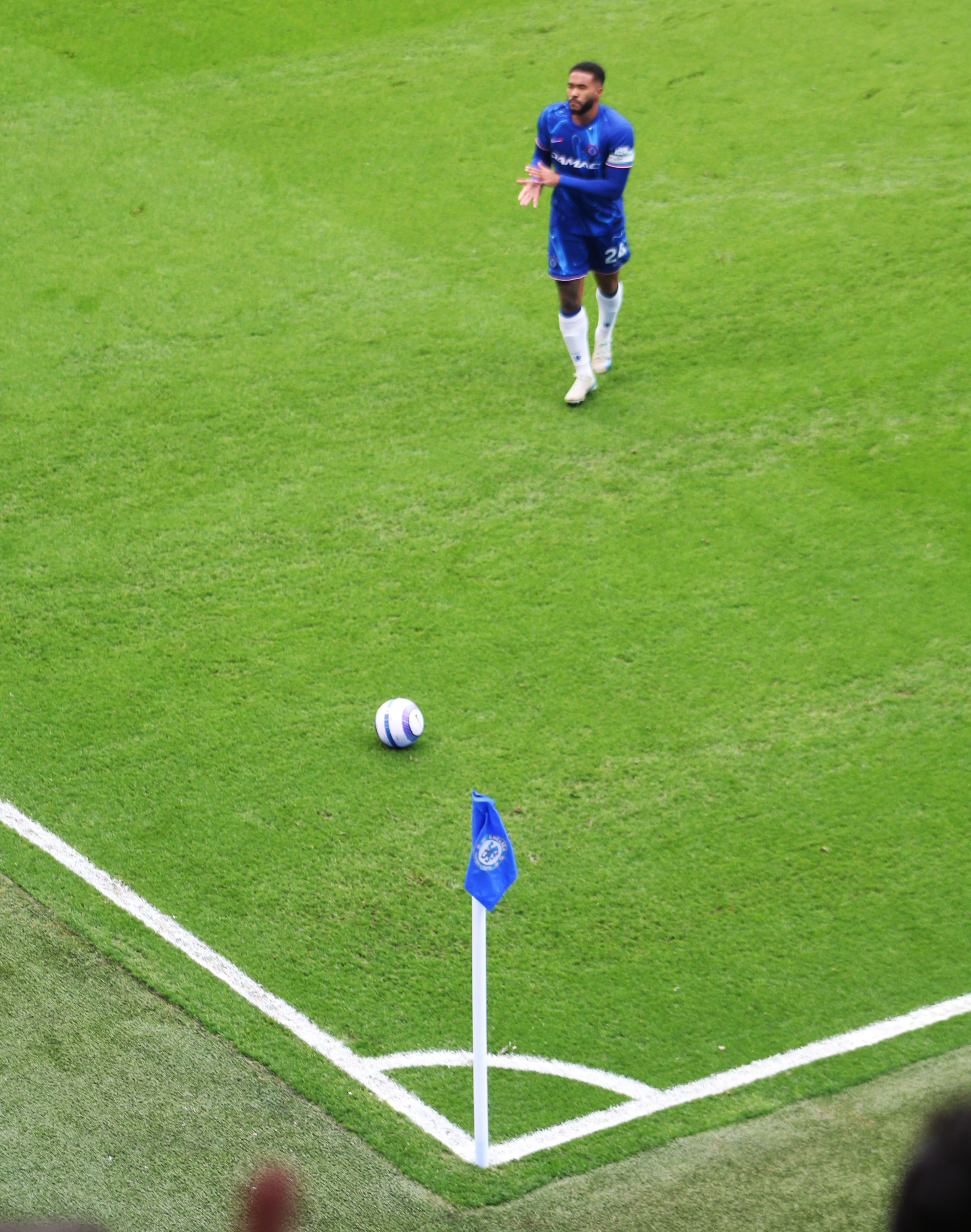
On eighty-eight minutes, Reece James took over from Enzo, who had enjoyed another fantastic match.

The battle continued.

“COME ON CHELS.”

Six minutes of injury time was signalled.

Fackinell.

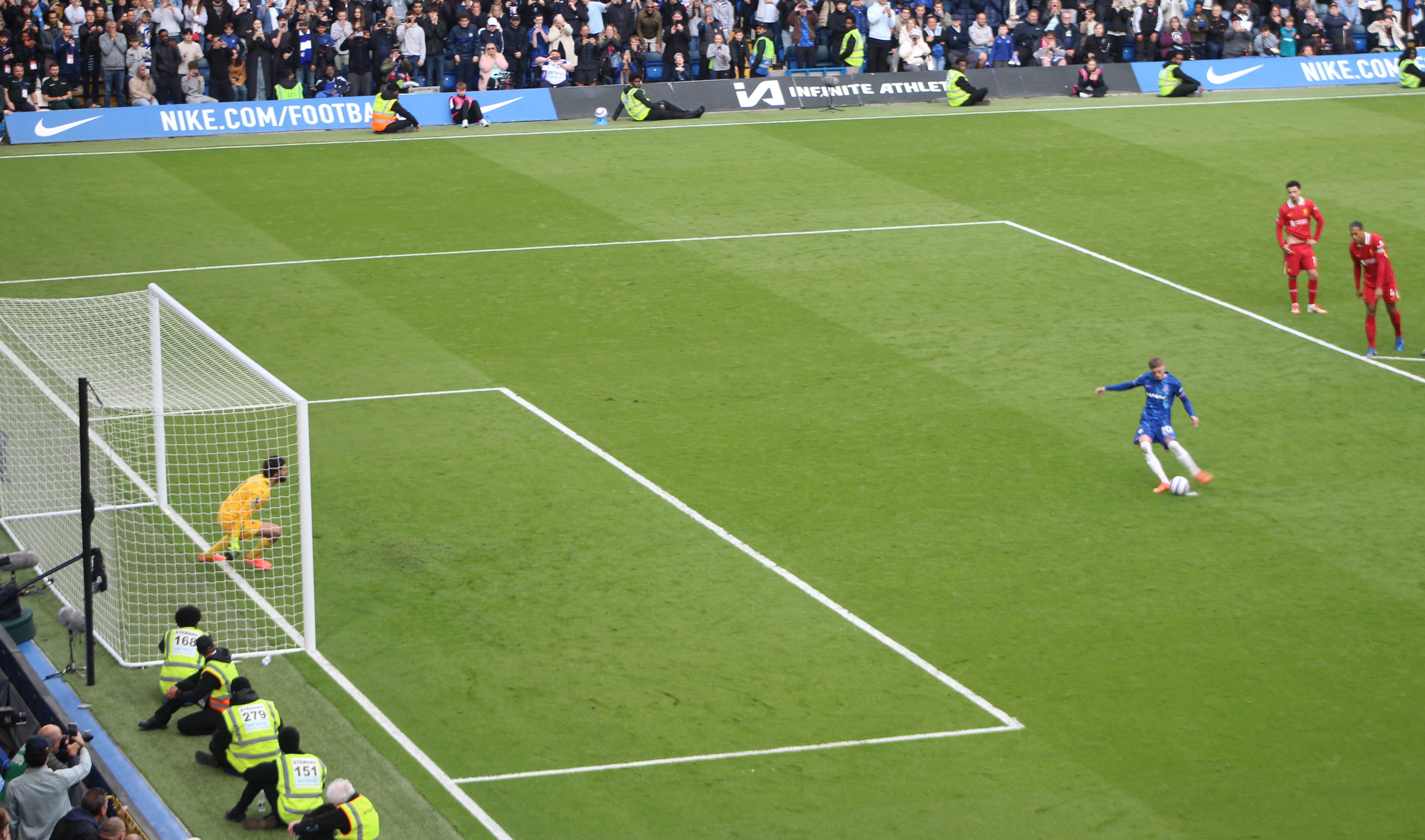
Not to worry, in the very final minute, Liverpool attempted to play the ball out from the back and Caicedo closed down and got to the ball just in front of a defender. The defender, however, got to Caicedo just before the ball.

Penalty.

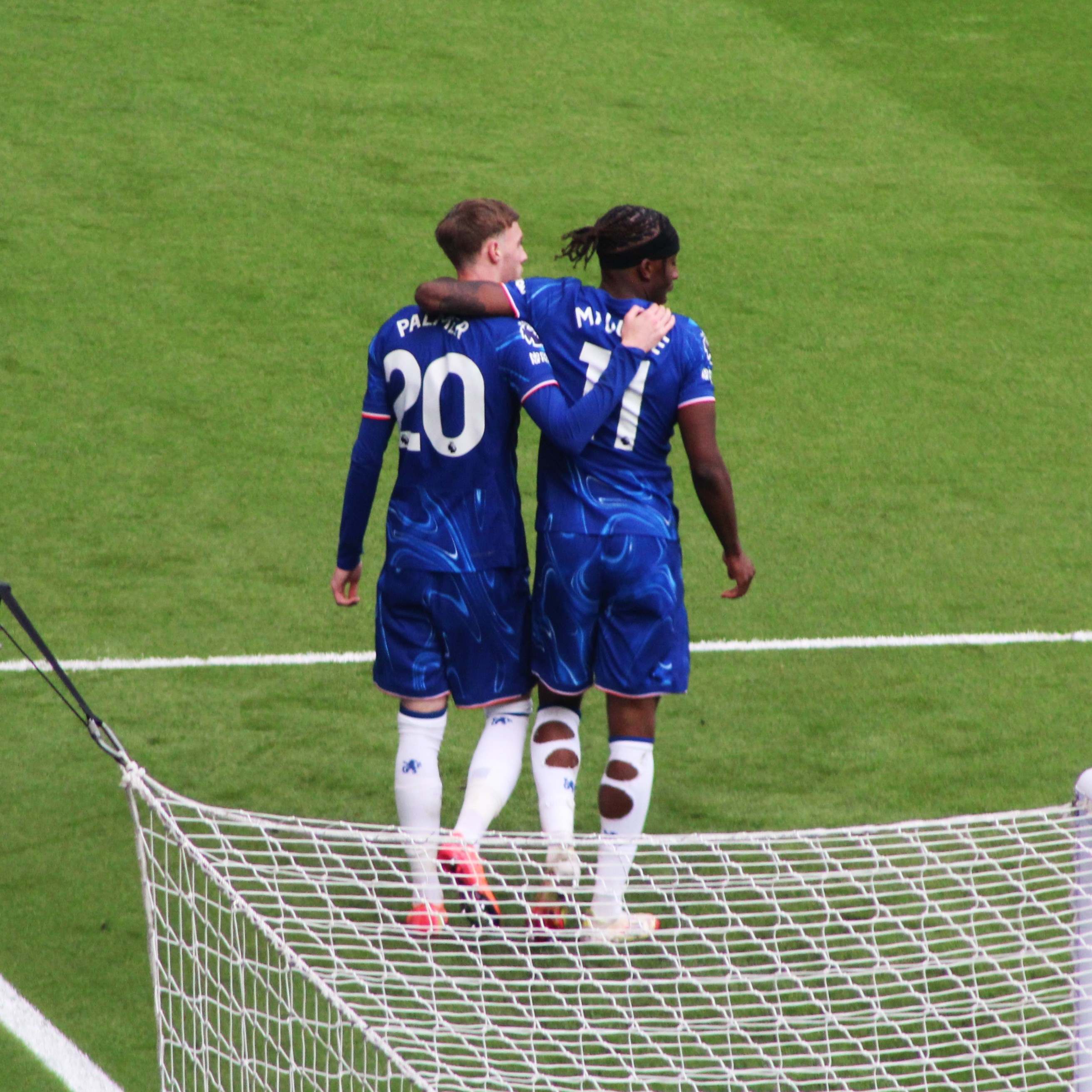
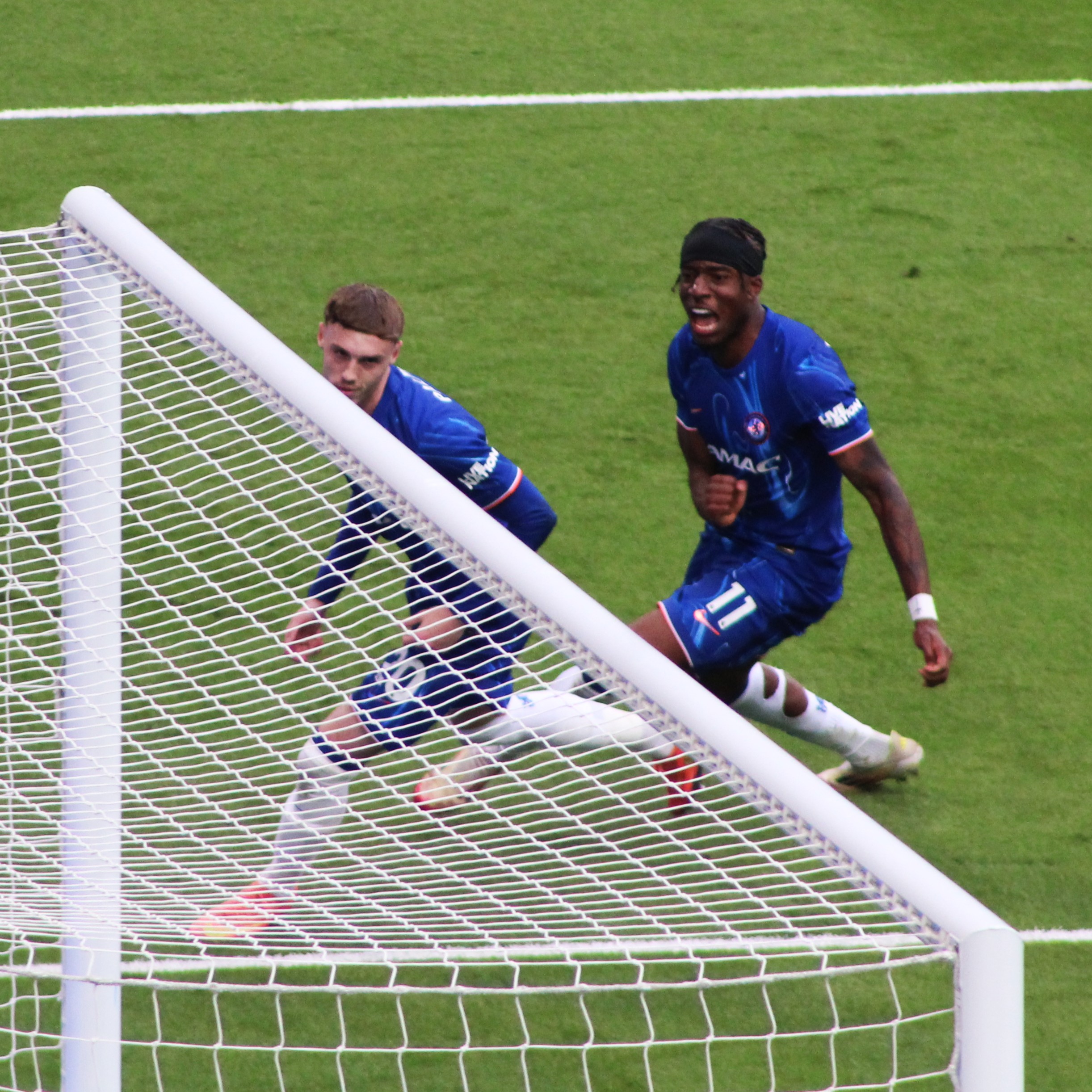
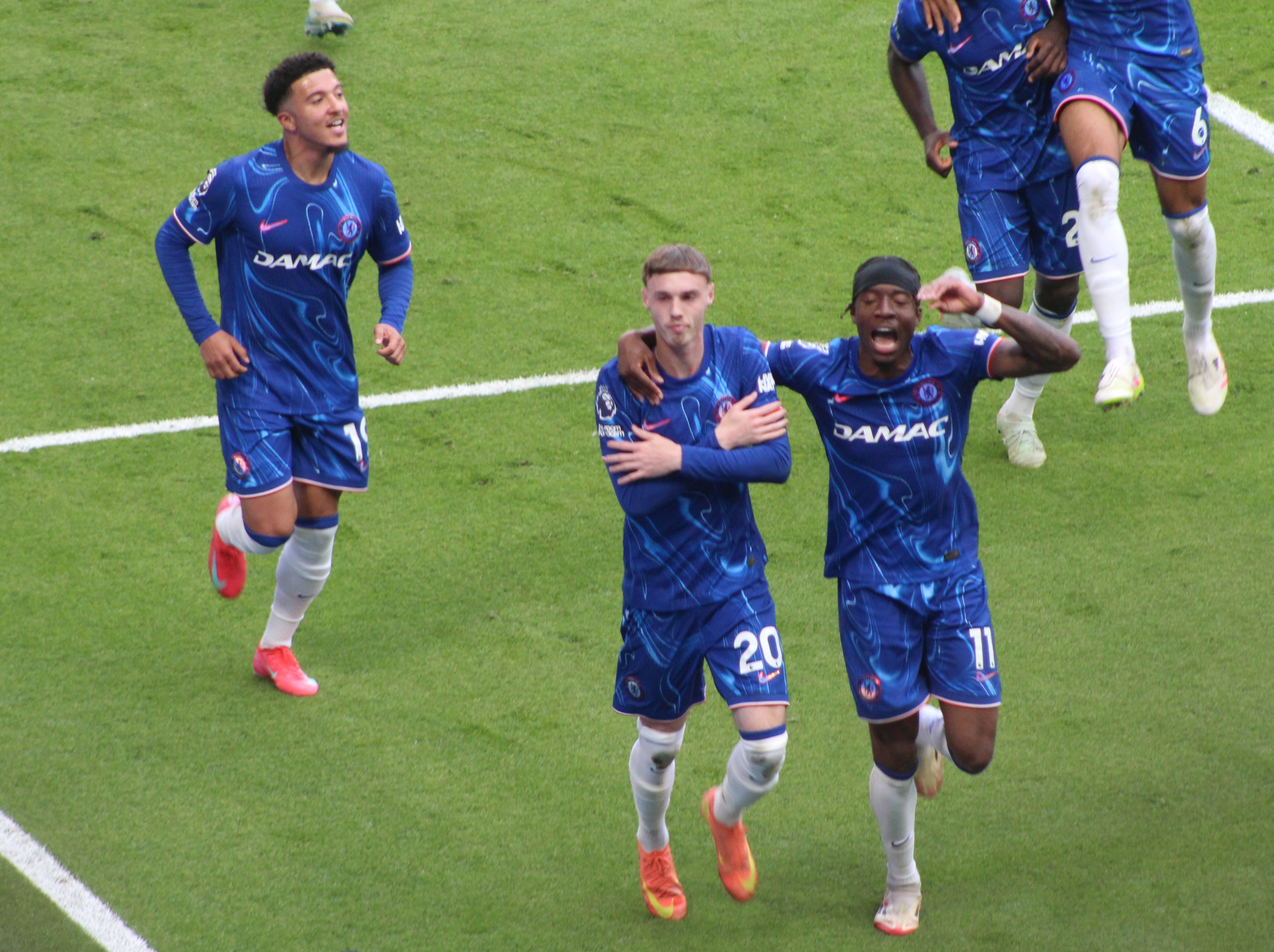
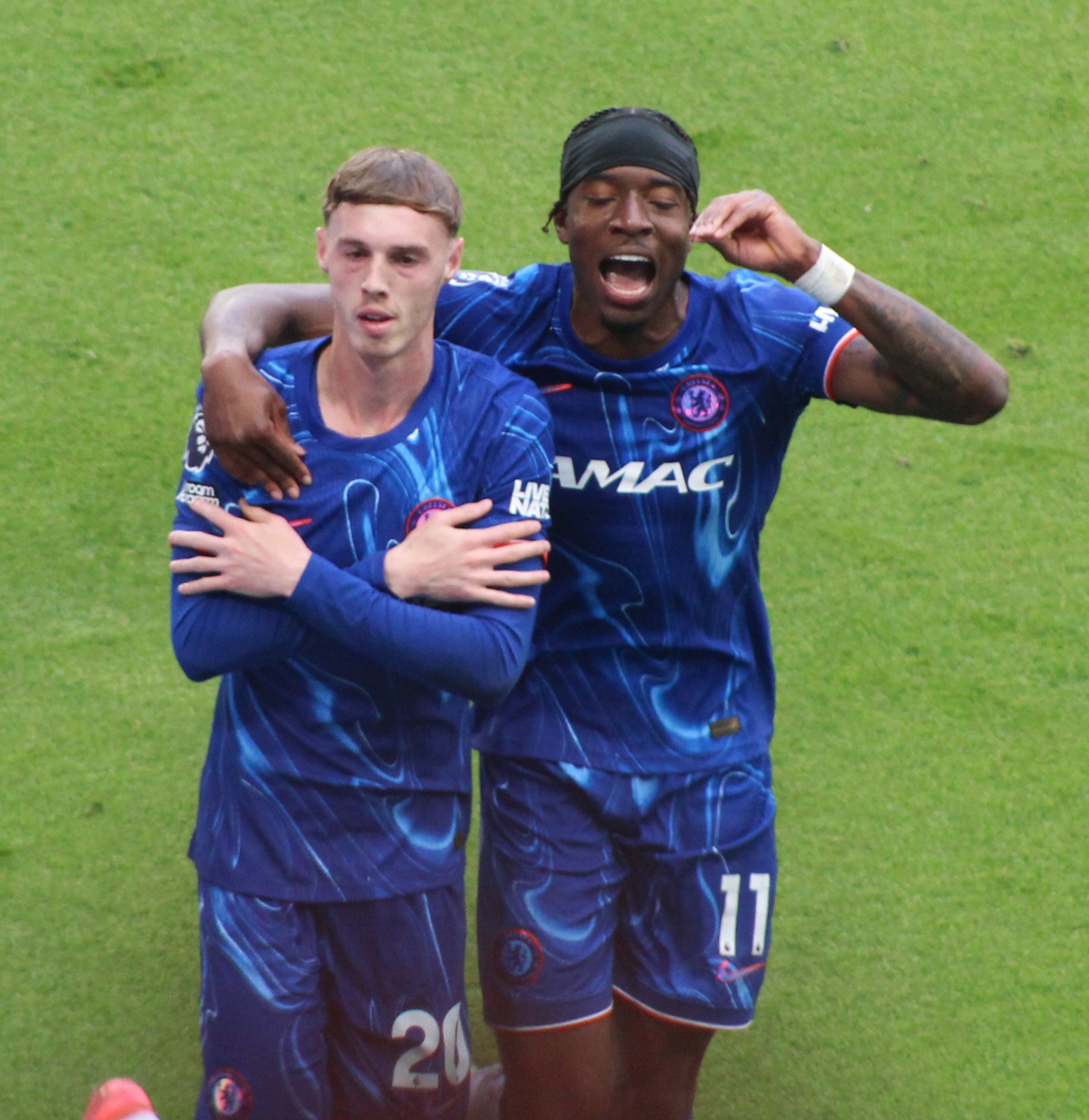
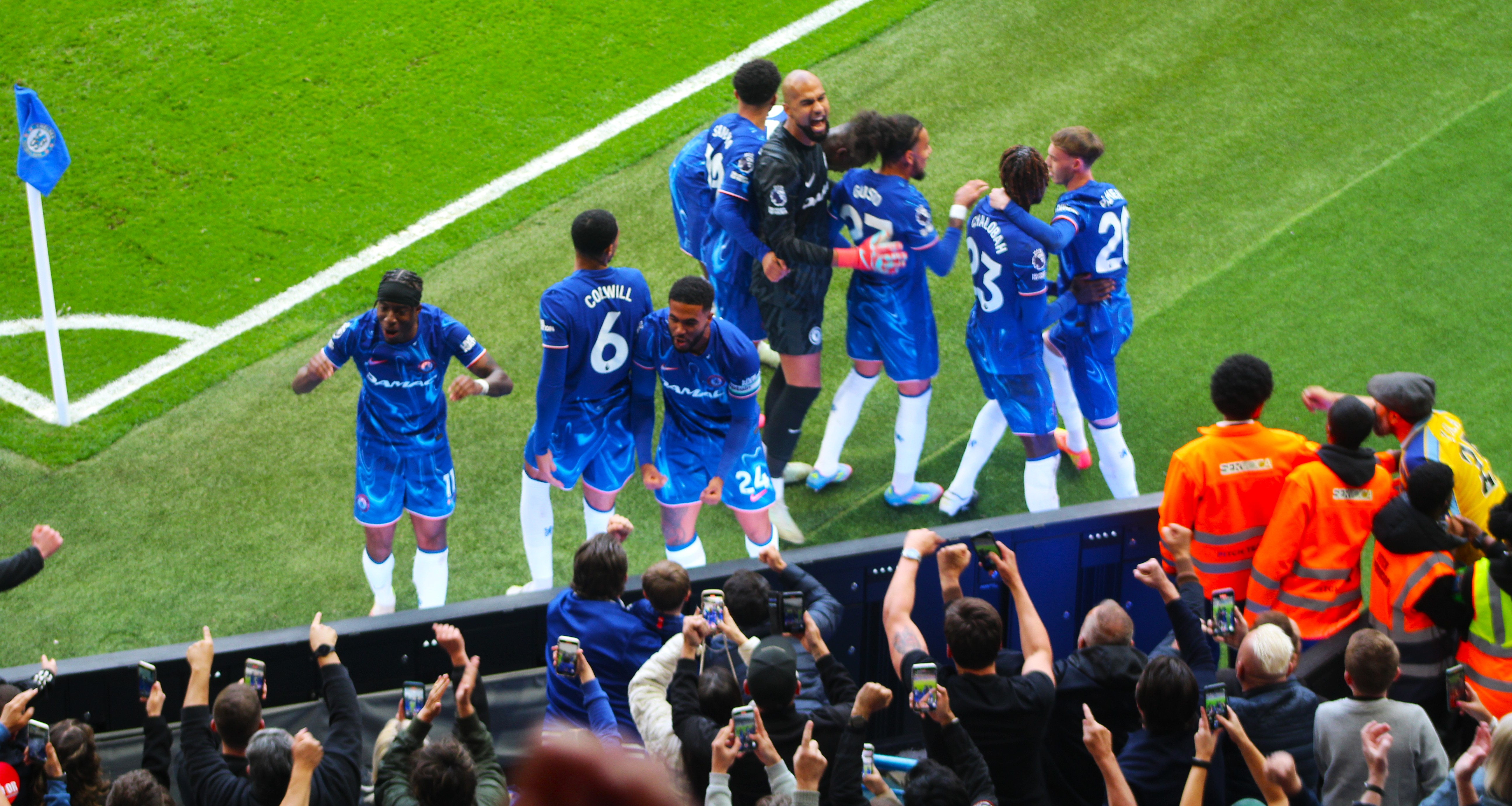
Cole Palmer stroked it home, his first goal since January.

He ran towards the goal and turned towards the East Stand but I summoned up all of my psycho-kinetic powers to entice him over to us, under The Sleepy Hollow.

It worked.

Snap, snap, snap, snap, snap, snap, snap, snap, snap.

Just after, the final whistle.

Chelsea 3 Liverpool 1.

I spotted two of the four foreign lads sitting close by, full of smiles, and I felt I owed them an apology for thinking that they were Liverpool fans. I gave them the thumbs up. They reciprocated.

This was a lovely day and a lovely match, and perhaps the best performance of the season thus far. We bounced out of Stamford Bridge and I subconsciously found myself singing Chelsea songs on the stretch from the West Stand forecourt to the tube station, just like in the old times.
Tales From Three Stadia In Turin / Racconti Da Tre Stadi Di Torino

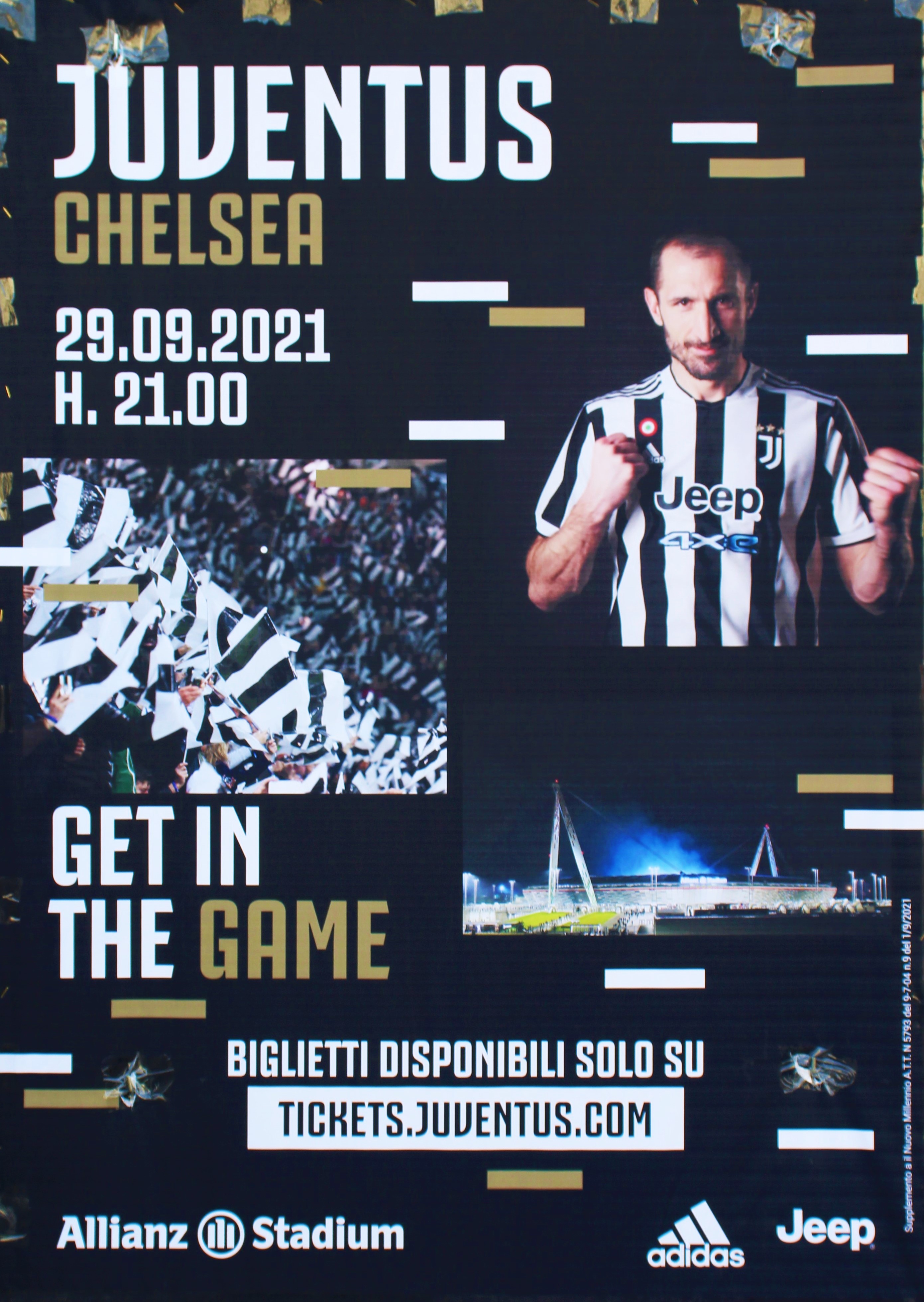
Juventus vs. Chelsea : 29 September 2021.

Are you ready to go to the match with me?

“Let’s go. Andiamo!”

It was just after four o’clock. This was a full five hours before the Juventus vs. Chelsea game was due to start at the Allianz Stadium in Continassa to the north of Turin’s city centre. But I was heading south. I had decided that I would undertake a magical mystery tour of the city’s footballing past before our second Champions League game of the autumn. I was ready to immerse myself once more in the city’s footballing heritage and in my football history too. I had sorted out the timings. I was sure it would all work itself out. I would have five hours to soak myself inside Turin’s story.

I was ready.

There was no need for a jacket or top. The weather in the Northern Italian city had been exemplary, a surprising antidote to the increasingly changeable weather back home. I set off out into the warm afternoon wearing the football staples of a polo, a pair of jeans and trainers. In my camera bag, in addition to my Canon SLR and lenses, was the small Sony camera that I had purchased specifically for Porto in May, just in case the stewards at the Juventus stadium were overzealous and would decide that my long lenses were unable to be taken inside. Also inside the bag was my passport, my match ticket and my proof of two vaccinations against COVID19.

My hotel was tucked into the narrow grid of streets to the immediate south and east of Turin’s Porta Nuova train station, and I walked a few hundred yards to the Marconi tube station. The city’s one tube line would serve me well. I caught the train to Lingotto, the site of the famous old Fiat factory with its test-track on the roof, so memorably featured in the wonderful “The Italian Job” from 1969. On my last visit to Turin in 2012, I had enjoyed a very fine meal at the rather posh restaurant on the roof terrace, and had walked around the test-track, a life-time wish fulfilled.

Lingotto was the nearest metro station to my first footballing port of call; Stadio Filadelfia which was around a mile or so to the west. However, when I checked the quickest way to reach this famous old stadium, I was mortified to see that there was no quick walking route from Lingotto.

Bollocks.

It was perhaps typical that my plans had quickly taken a turn for the worse. In the build-up to this away game, there had been much anxiety as I struggled to come to terms with what exactly I needed to do to get myself to Italy. There had been tests, forms, emails, pdf attachments, vouchers, and stress at every turn. For example, when I sat down to take my “pre-flight” lateral flow test at home on the preceding Sunday, I discovered that the liquid within the vial had leaked in transit and so I had to use the kit intended to be used in Turin for my flight home. This would mean that I would need to locate a chemist’s near my hotel to take my second test. What a palaver. Even on the seemingly straightforward drive from deepest Somerset to Stansted in the small hours of Tuesday, there was extra worry. With many garages short of fuel, I became obsessed at how fast my fuel gauge was fading. I was sure that I was OK for the trip to Stansted, but I needed to fill the car with petrol in readiness for my return trip on Friday evening. Four filling stations on the A303 had no fuel. Thankfully, Fleet Services on the M3 were open and fully stocked. There was a heavy sigh of relief. With a section of the M25 closed, I then ludicrously spent twenty minutes following diversion signs that then deposited me back to where I had left the M25 and I found myself heading west and not east. I didn’t know whether to laugh or cry. Thankfully, I arrived at my pre-booked parking spot bang on my allotted start time of 4.45am.

Phew.

Undeterred, I returned to the Lingotto subway station and quickly took a train north – retracing my very recent steps – to Carducci Molinette. From here, the stadium was around a twenty-five-minute walk away. I made haste and sped westwards. My route took me over a wide bridge that rose over the train tracks into the city’s main station.

It was along these very tracks that I would have travelled on my inaugural visit to Turin in November 1987, the city bathed in a grey mist that would not disappear all day. I remember sitting alone in the great hall of the main train station and pinning some British football badges onto a board that I had constructed at home prior to my latest Inter-Railing extravaganza. I had bought several hundred football badges from a company in Blackburn and aimed to sell as many as I could at games in Italy and Germany to help finance my travels in Europe. The Juventus vs. Panathinaikos UEFA Cup game later that evening would be my first opportunity to test the water. I had high hopes for this venture, and was equally as excited about seeing Juve, my favourite European team, for the first time.

Why Juve? A quick re-cap. They were the very first “foreign” team that I remembered seeing on TV, a European Cup game in exotic Turin against Derby County in April 1973. I made friends with Mario on an Italian beach in 1975; a Juventus fan, I had found a kindred spirit. In 1981, at the same beach resort, I met his friend Tullio, also a Juve fan. We have been friends ever since. I last saw Mario in that home town in 2019. I last saw Tullio in London in 2018. But these are just the essentials. Our three lives have intertwined for decades now.

As I walked south on Via Giordano Bruno, I stopped at a small shop to buy a “Coke” as my throat was parched. The previous day had been a long one; up at midnight, a flight at 6.45am, a tiring walk from Porta Sousa train station to my hotel, and then two spells of drinking, the second one long into the night with friends old and new at “The Huntsman” on the main drag. I was awake, in total, for around twenty-five hours. The “Coke” gave me just the kick I needed as I approached Stadio Filadelfia.

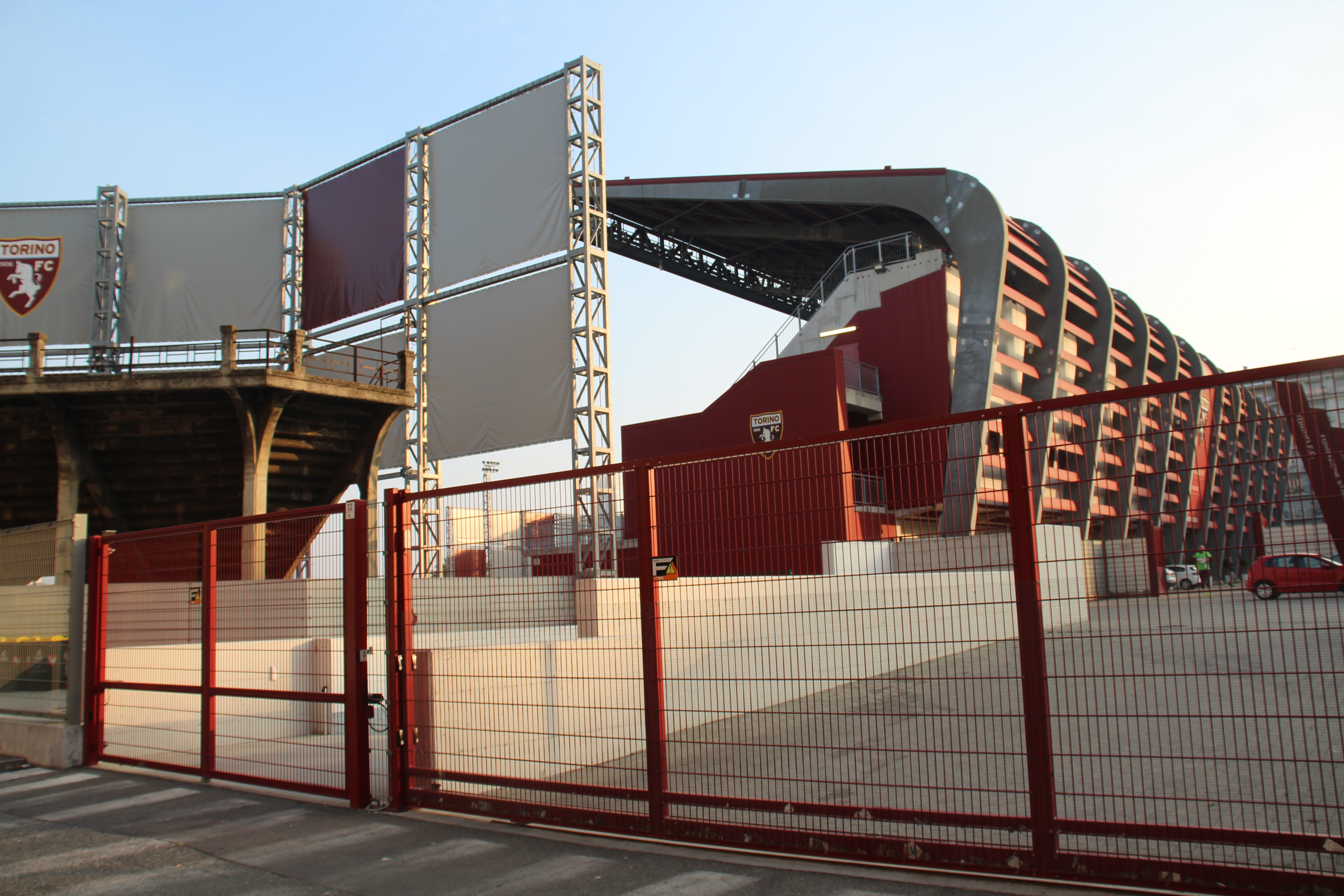
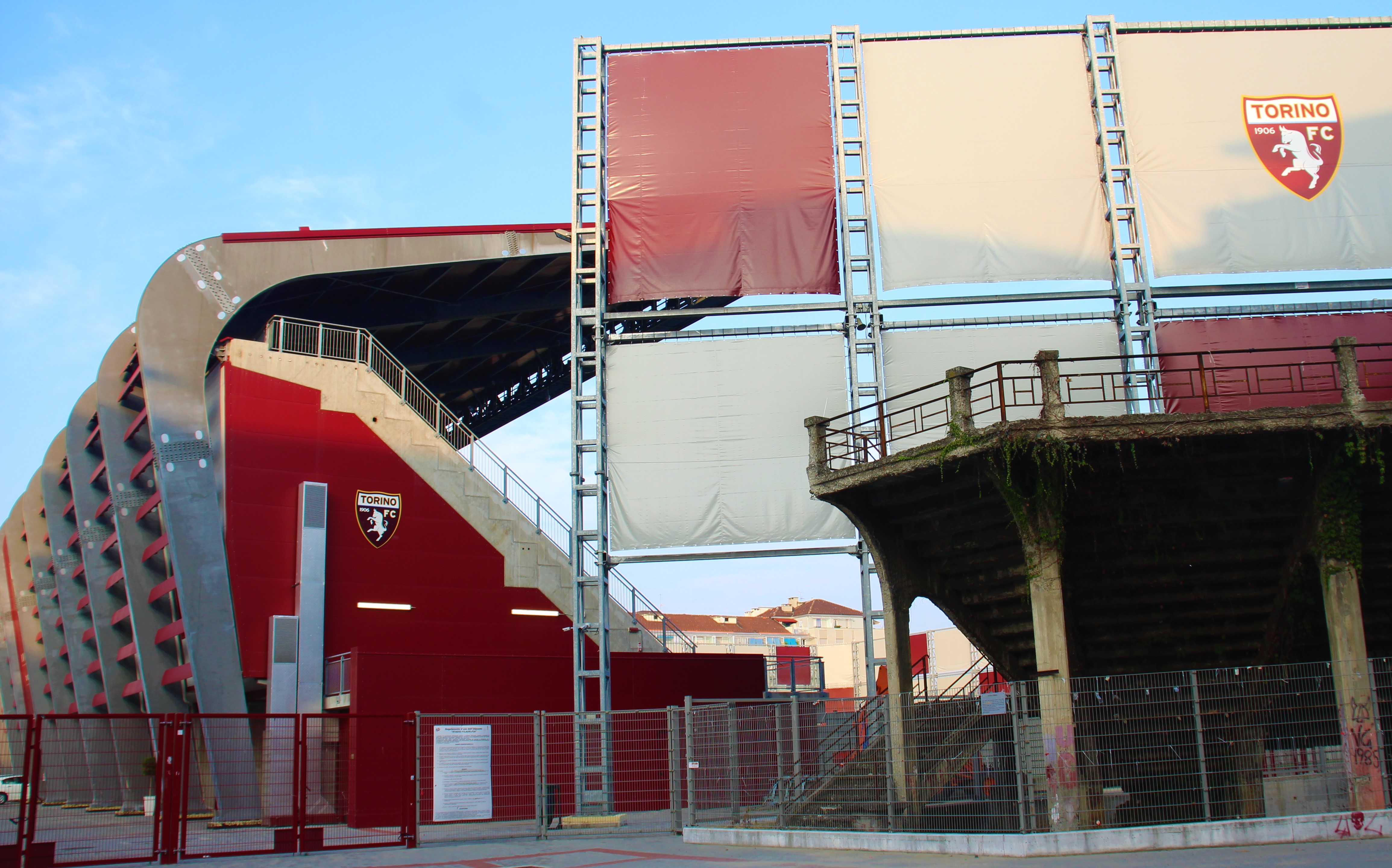
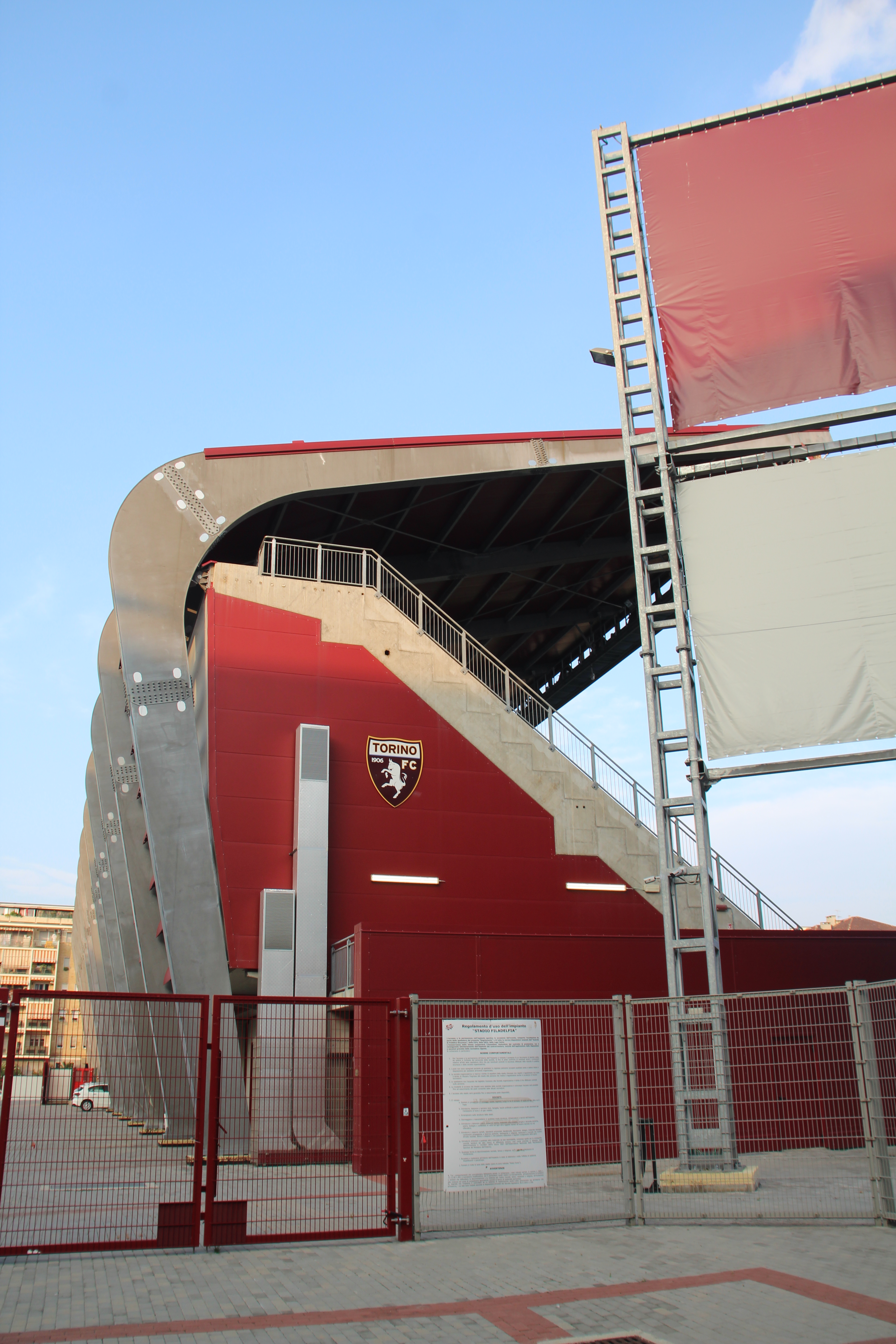
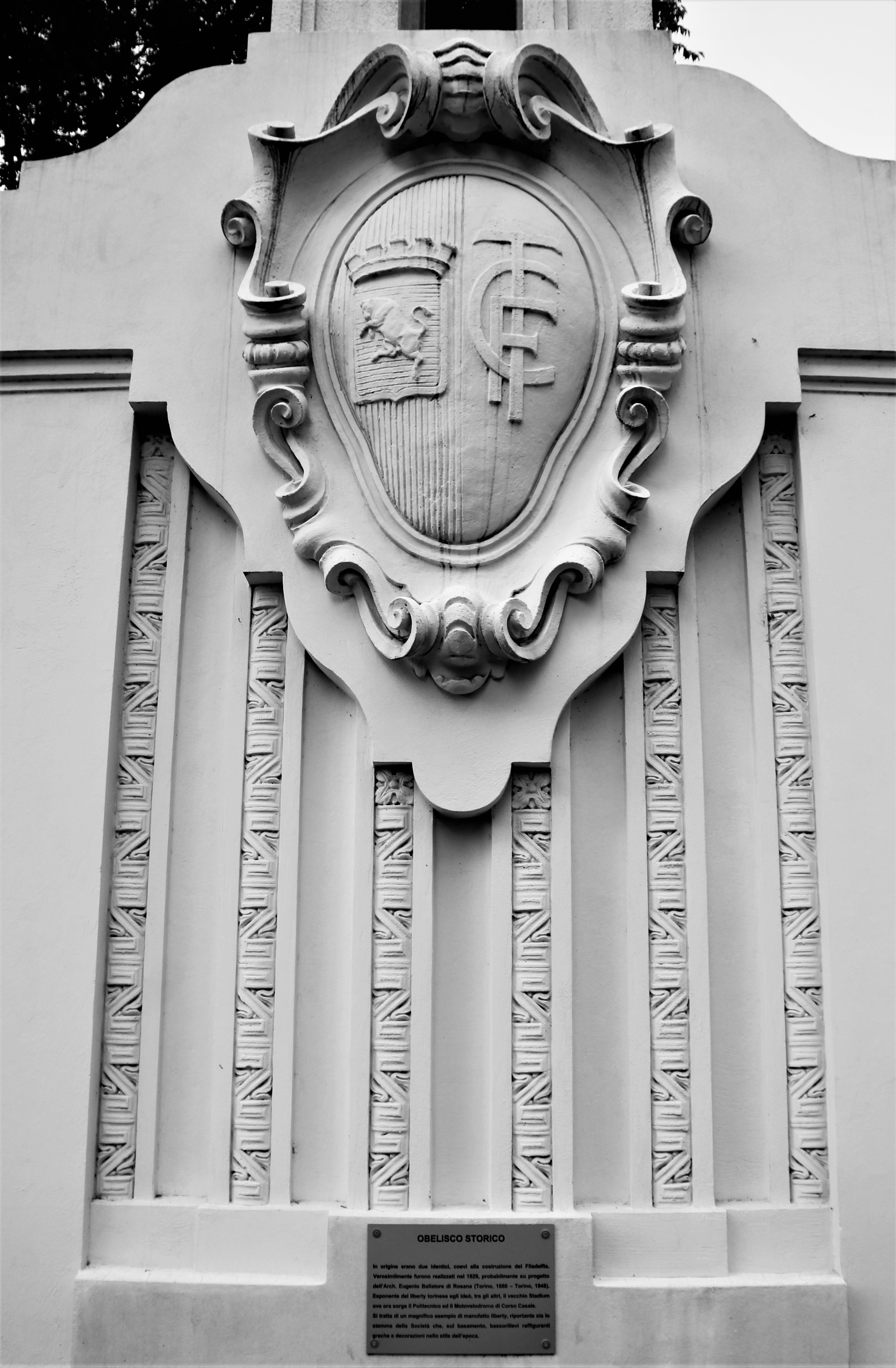
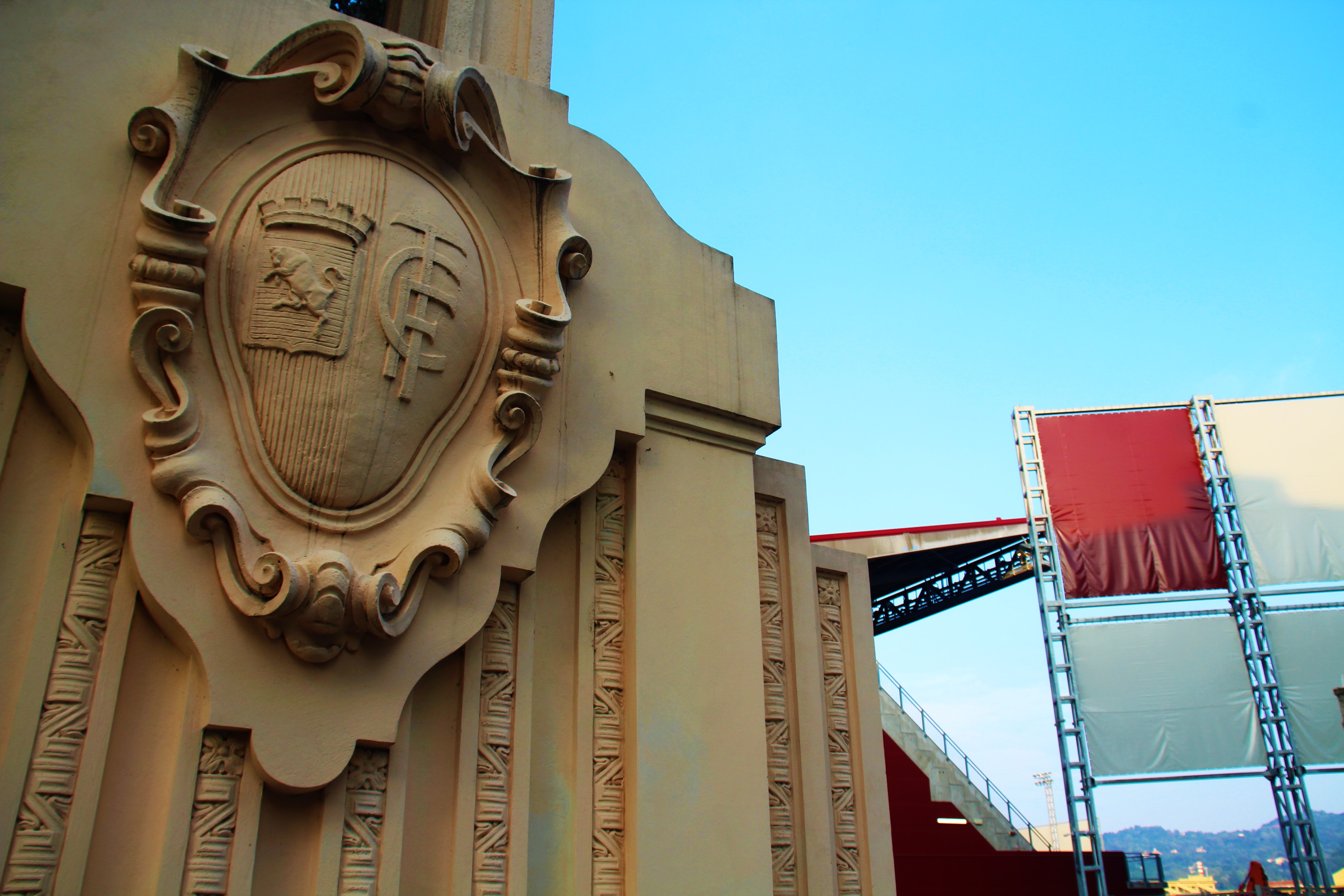
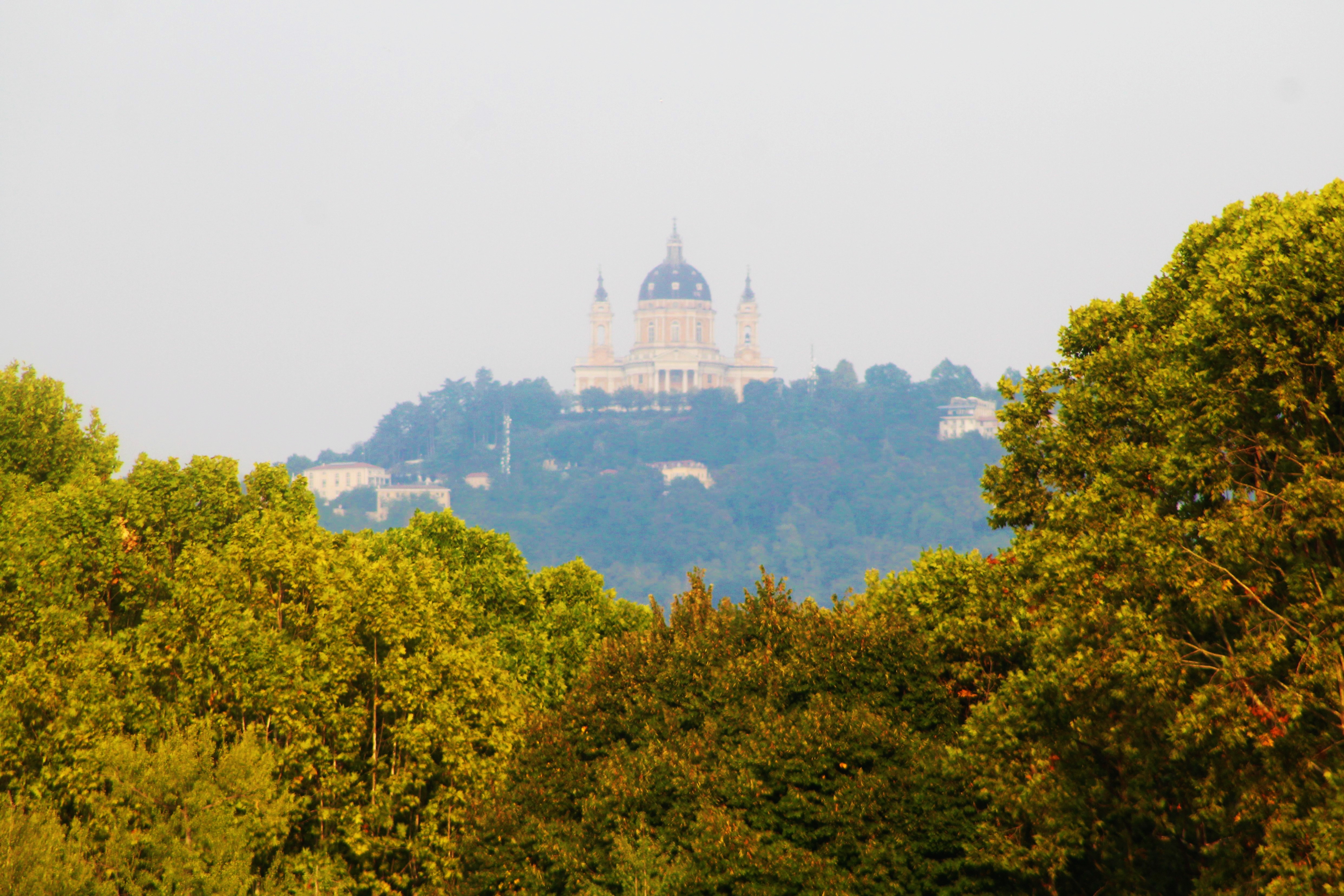
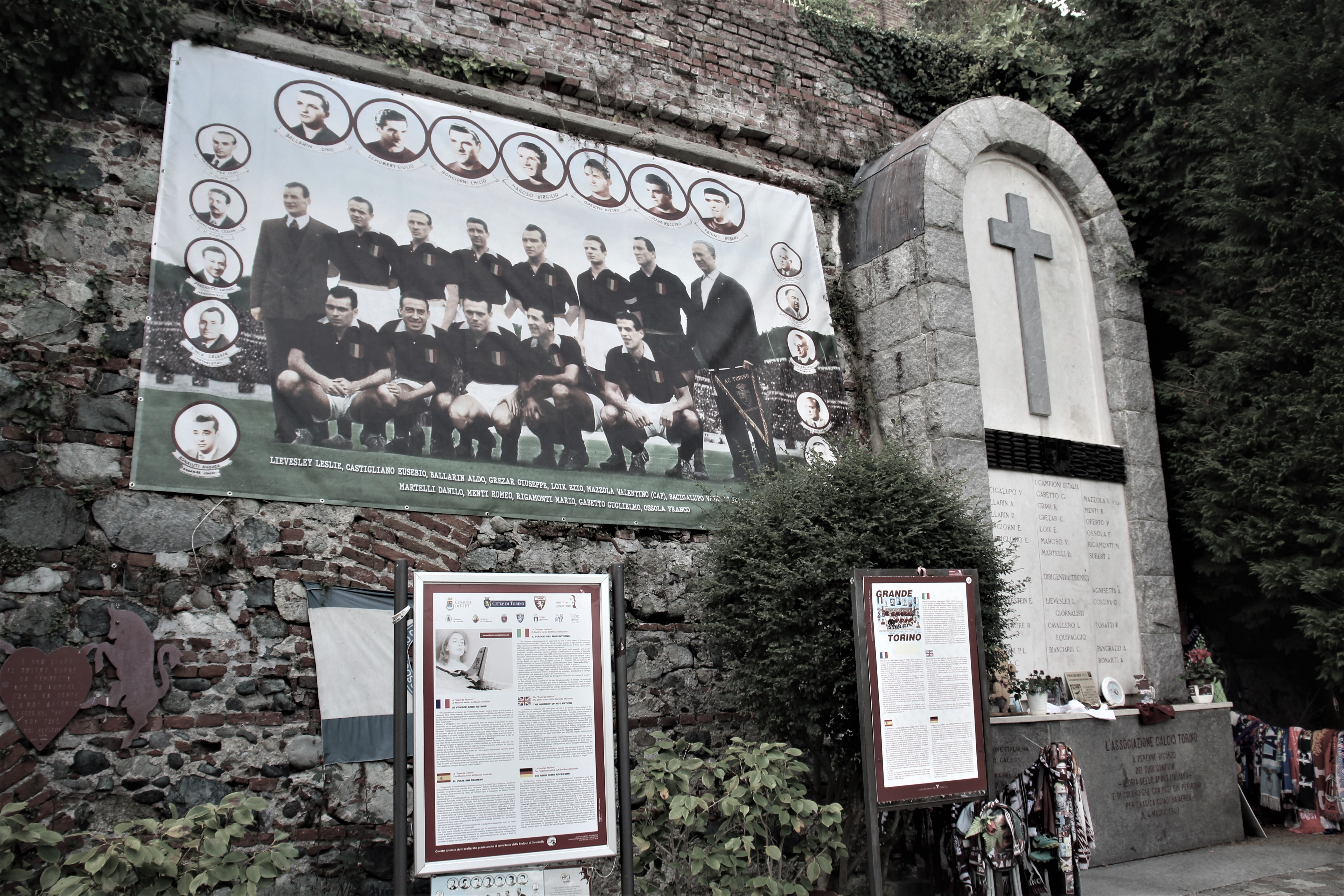
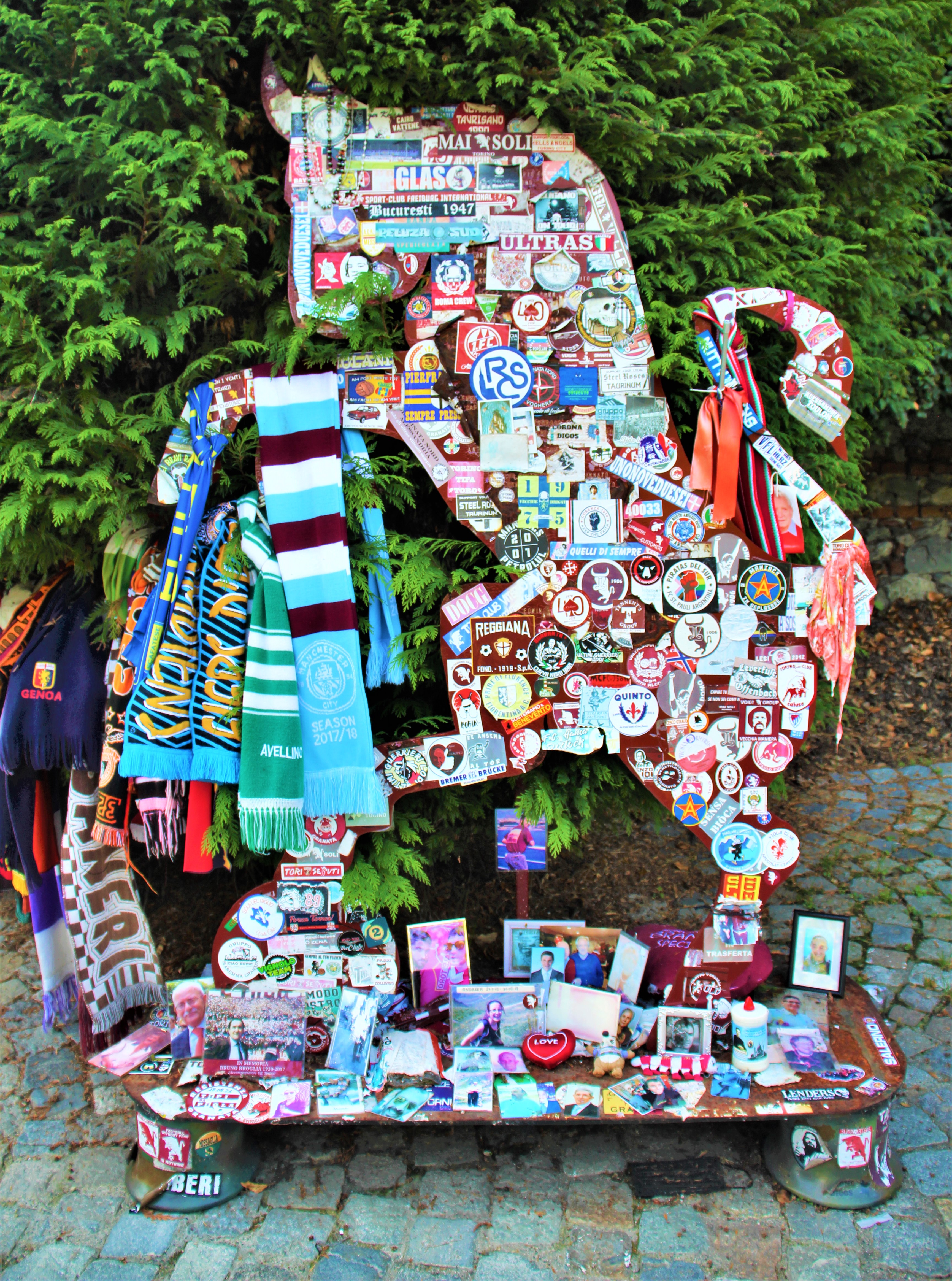
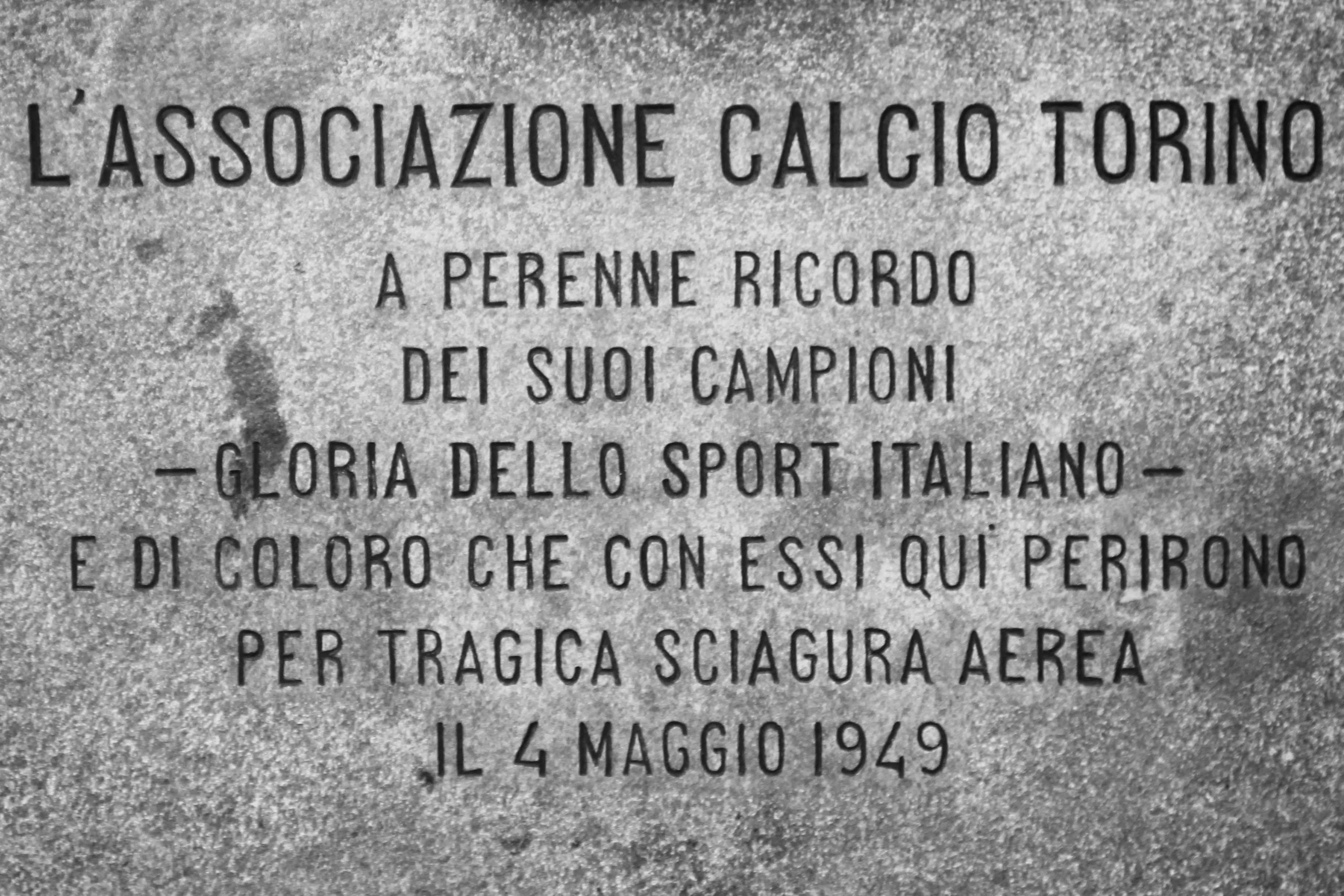
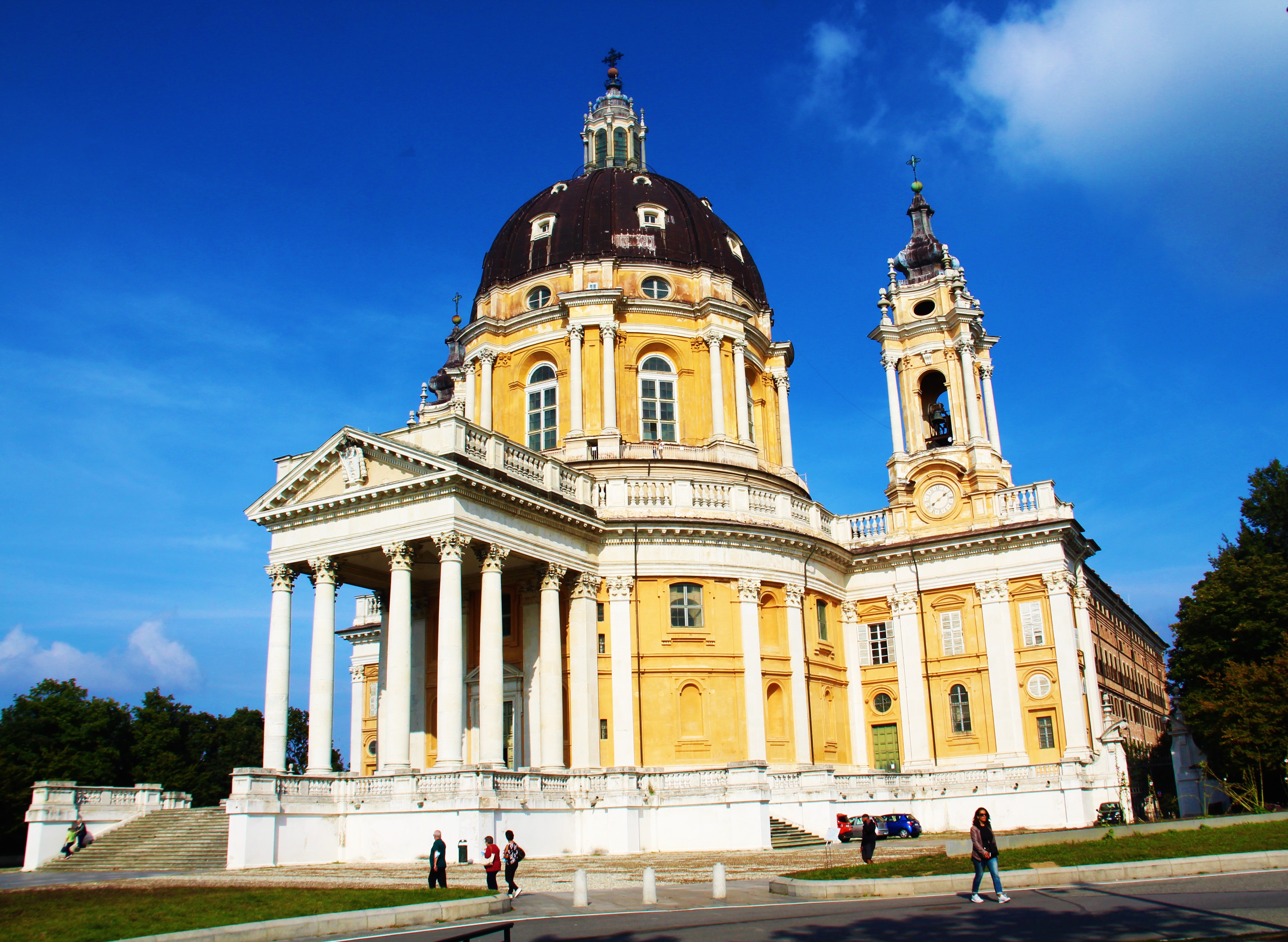
This stadium was the home of the all-conquering Torino team of the 1940’s, Il Grande Torino, who were so cruelly killed in the Superga air disaster of 4 May 1949. Growing up in England, I had heard Superga mentioned many times. At first I presumed that Superga was a small town near Turin where the plane, returning from a friendly in Lisbon, had crashed. Only later did I realise that Superga was a hill right on the eastern edge of the city. I then, with a mixture of amazement and horror, realised that the plane had crashed into the rear of a basilica perched right on top of that hill.

I always say it was akin to the successful Arsenal team of the ‘thirties crashing into Big Ben.

On the bus from the Turin airport at Caselle on Tuesday morning, I was telling this story to Pete, who along with my great pal Alan (and a host of other familiar Chelsea faces including a fanzine editor, an erstwhile Chelsea media man, a former Headhunter and a porn star) had been on the same Ryanair flight as myself. Just as I mentioned Superga – “you probably can’t see it in this haze” – Pete immediately spotted it away in the distance.

“Is that it?”

Indeed, it was.

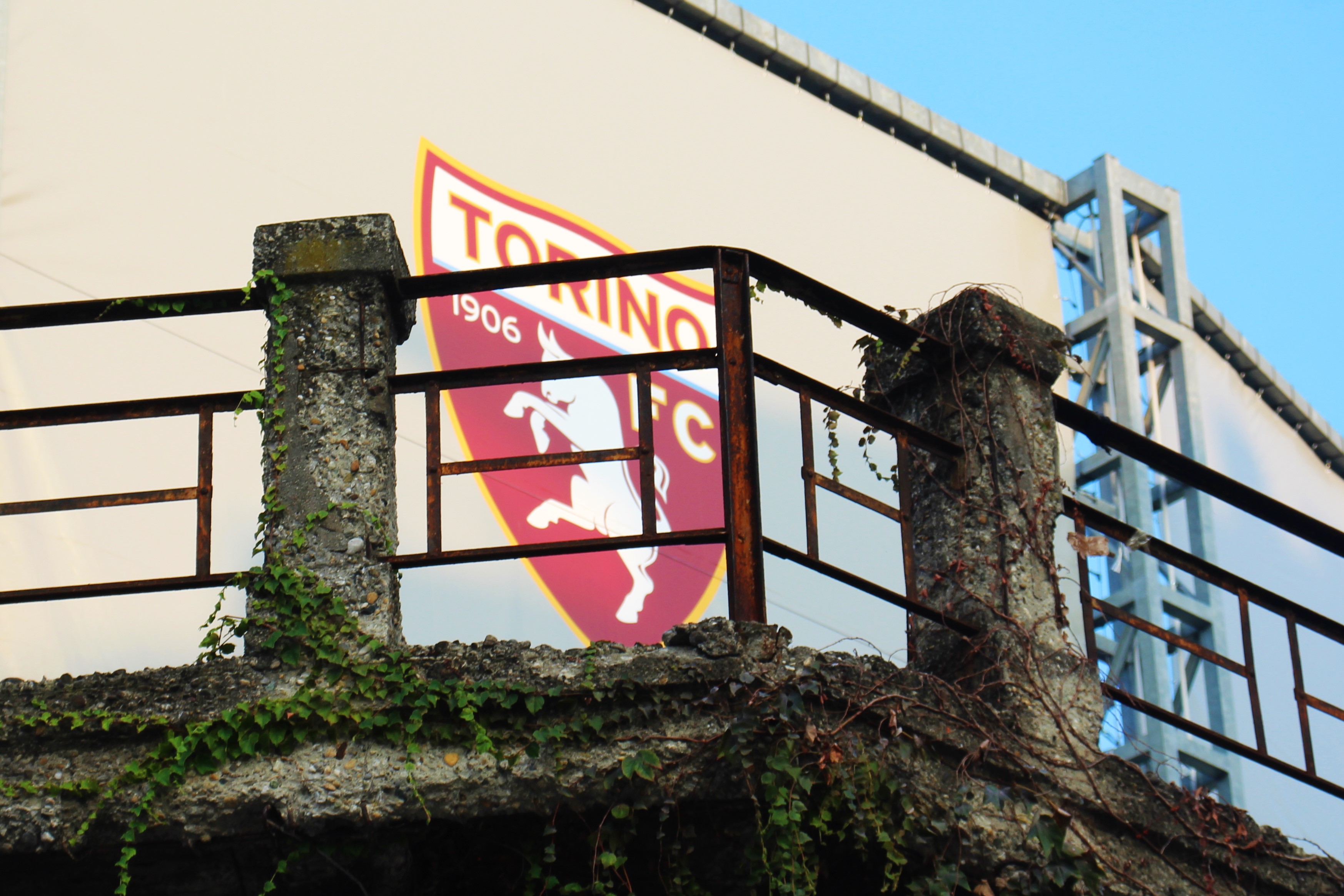
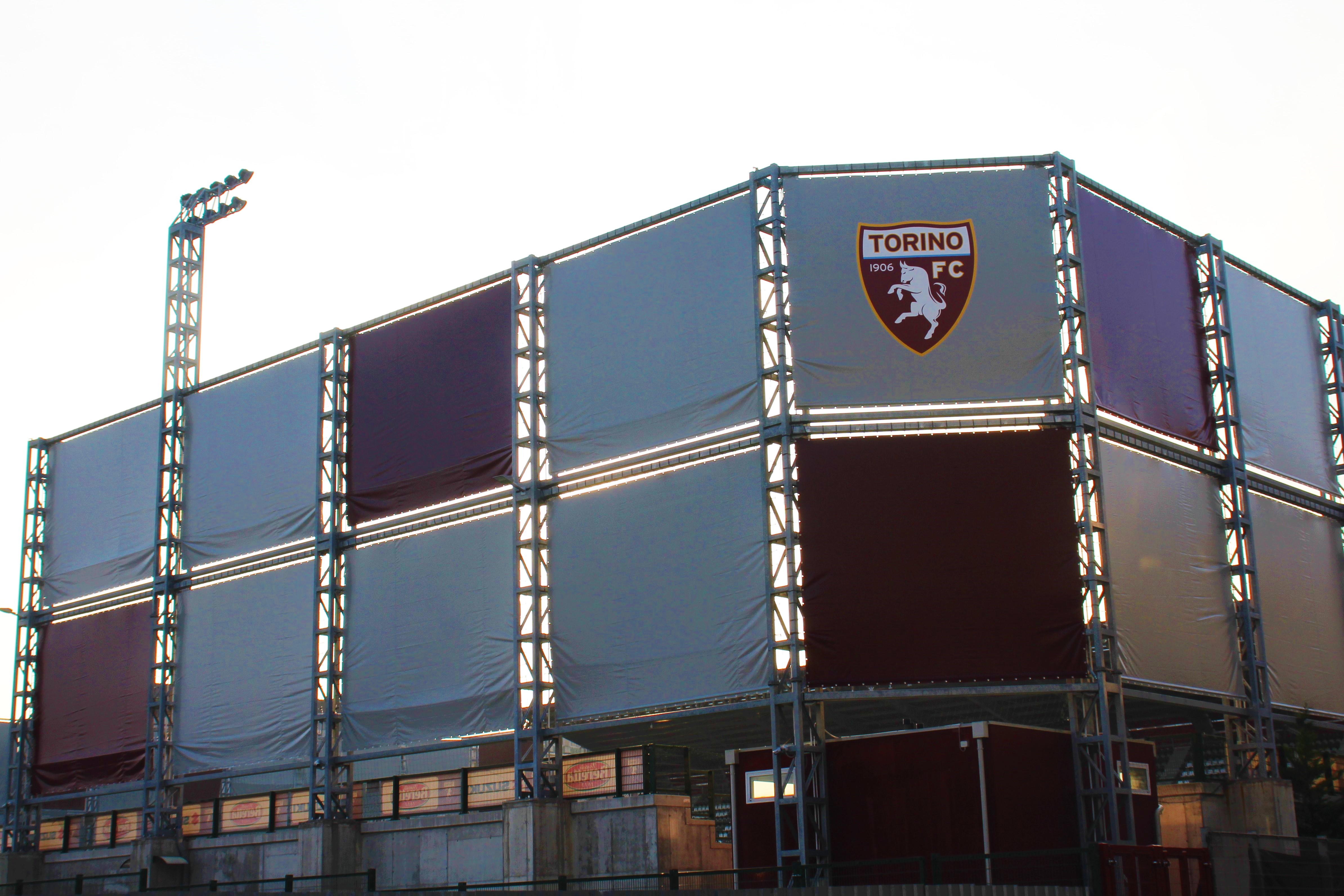
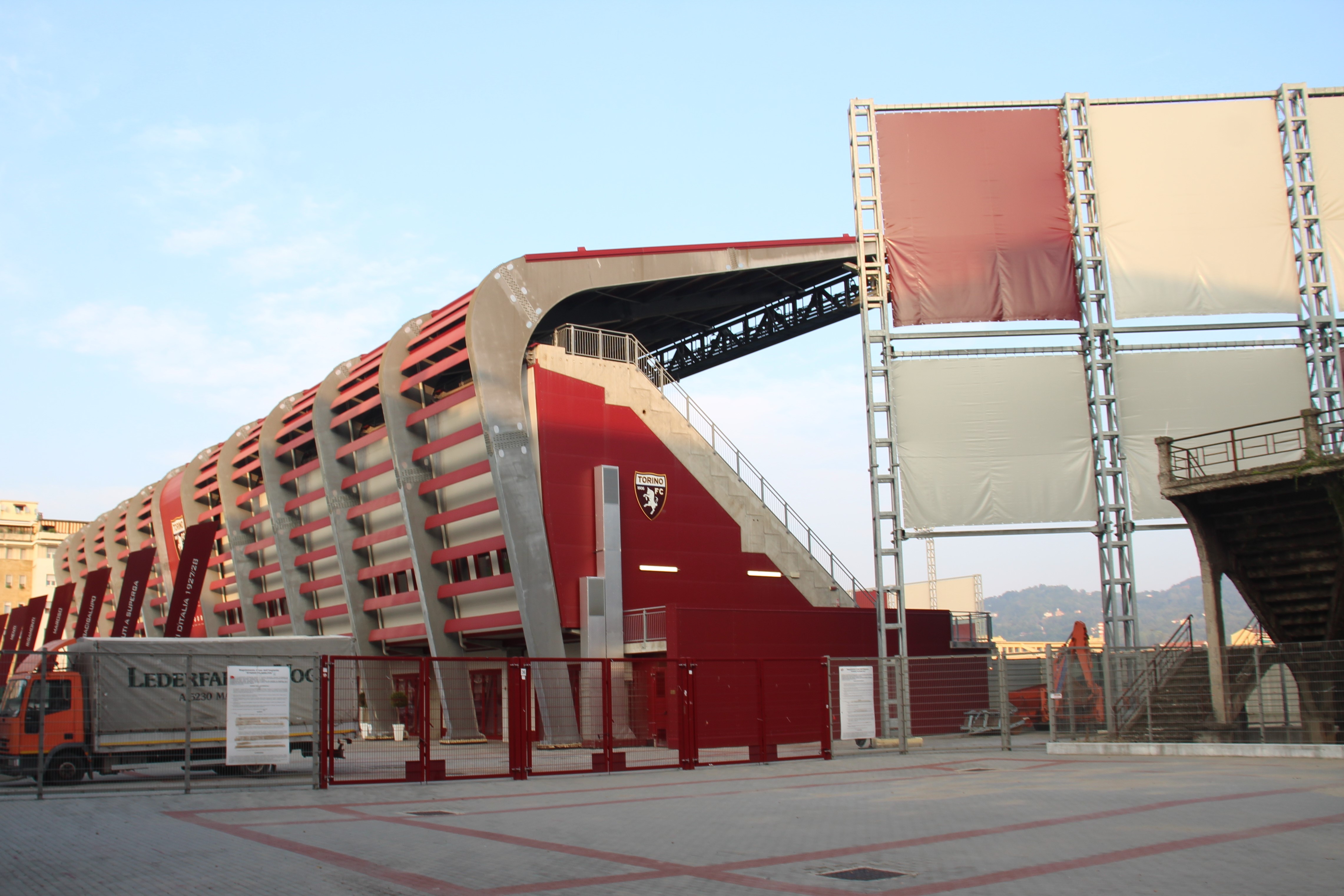
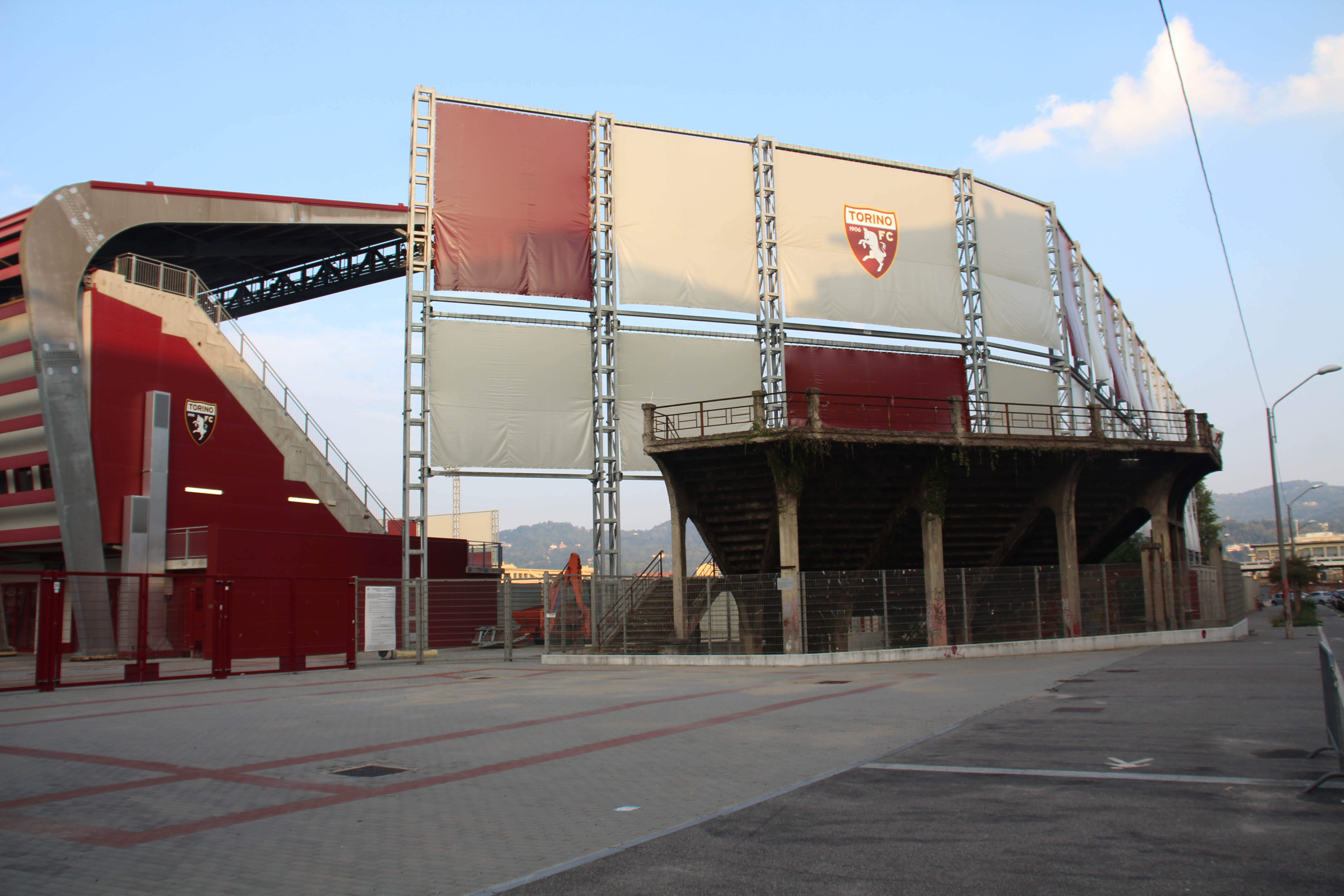
As I approached the stadium, which has recently been painstakingly updated after decades of neglect, the memories of a previous visit to Turin came flooding back. In May 1992, three college friends – Pete, Ian, Trev – and I drove through France to attend a Juventus vs. Sampdoria game at Stadio Delle Alpi. On the day after the game, we drove up to Superga on the forty-third anniversary of the crash. We spent some time there. I remember I took my father’s new, and huge, camcorder on this trip and I shot a few segments of our visit. After, we drove down into Turin and parked up outside Stadio Filadelfia and hoped that we could peek inside. In 1992, the terracing on three sides were still intact, if very overgrown. The old main stand was held up with scaffolding. But we were able to walk onto the famous pitch and we even found a football to kick around for a few joyful minutes. The goal frames were still intact. Goals were scored at La Filadelfia. What fun. We then sat on the east terrace in quiet contemplation; Superga in another haze in the distance, the old Fiat factory nearby, the stadium still surrounded by tight working class flats on three of its sides. I imagined the roar of the crowd in those halcyon days. We took it all in.

Then, out of nowhere, we spotted two middle-aged women appear on the far side underneath the faded burgundy of the antiquated main stand. They were carrying two wreaths, and strode slowly on to the pitch, before stopping at the centre-circle to place the flowers on the turf.

It remains one of my most special football memories.

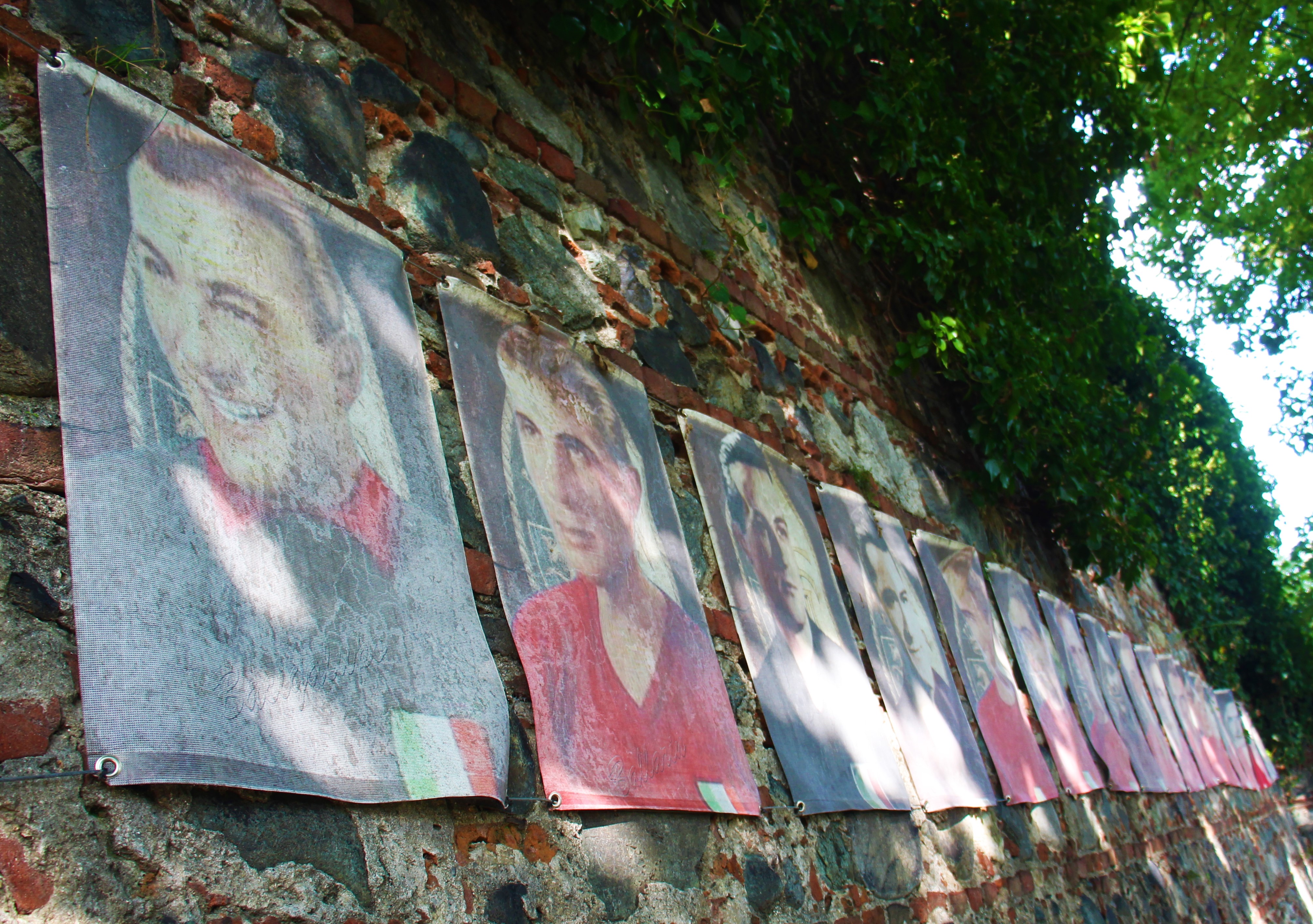
Torino played at Stadio Filadelfia from 1926 to 1960 and then shared the larger Stadio Communale with Juventus from 1961 to 1990. For many years, as the two teams hopped around stadia in the city, it was hoped that Torino would eventually return to their spiritual home. A while back, I was truly saddened to see it was in a very poor condition. So imagine my elation when I recently found out that a startling metamorphosis has taken place. A new main stand has been constructed, and a new pitch has been sewn. It now houses 4,000, and in addition to housing the club HQ, it also hosts the club museum and the team’s youth teams play games on this most sacred of sites.

As I circumnavigated the stadium, I remembered how decrepit the place had become. Its resurgence since 2015 has been sensational. I chatted to a Toro fan as I walked around and took some photographs. He was even wearing a burgundy – officially pomegranate – T-shirt and I thought to myself –

“You can’t get much more Toro than that.”

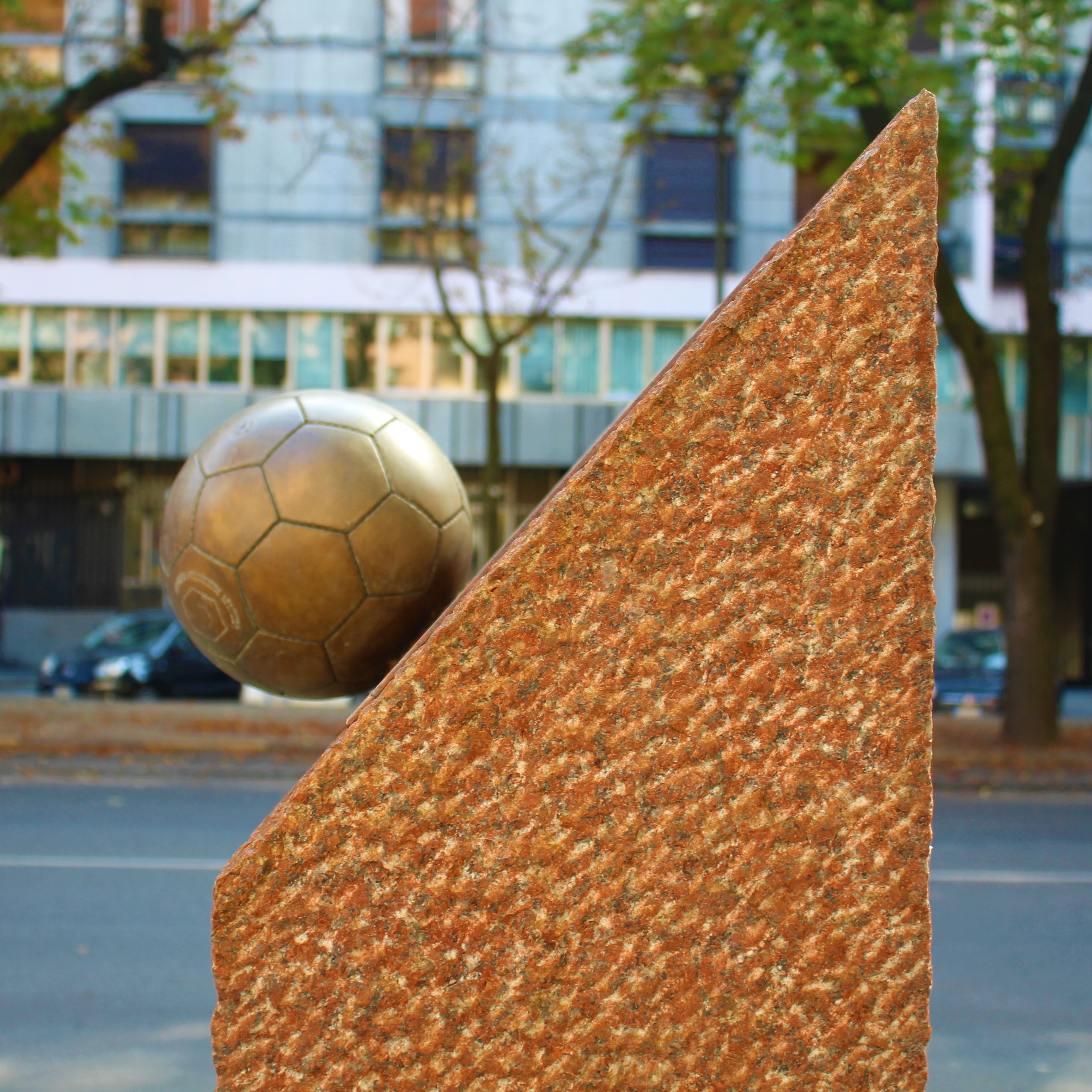
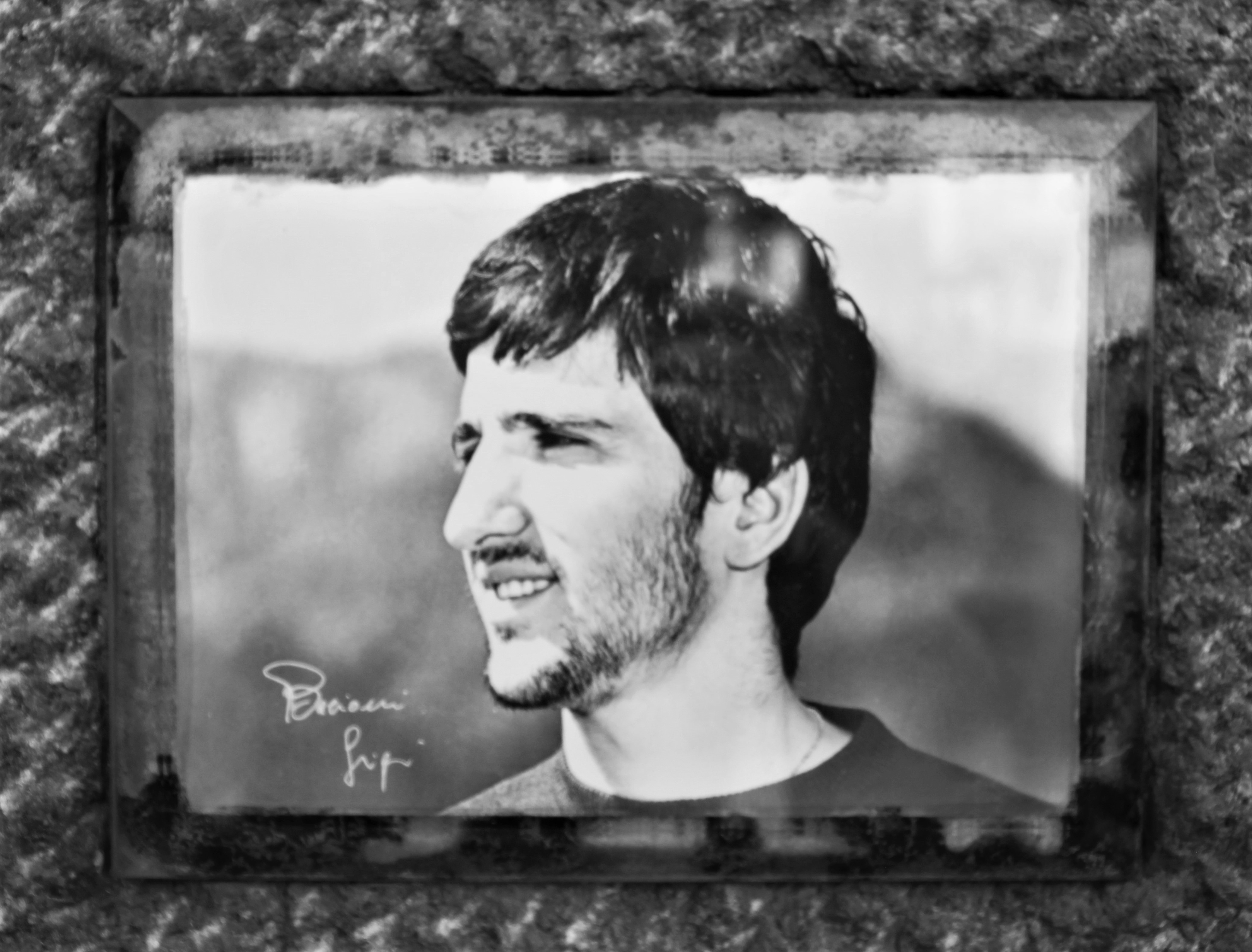
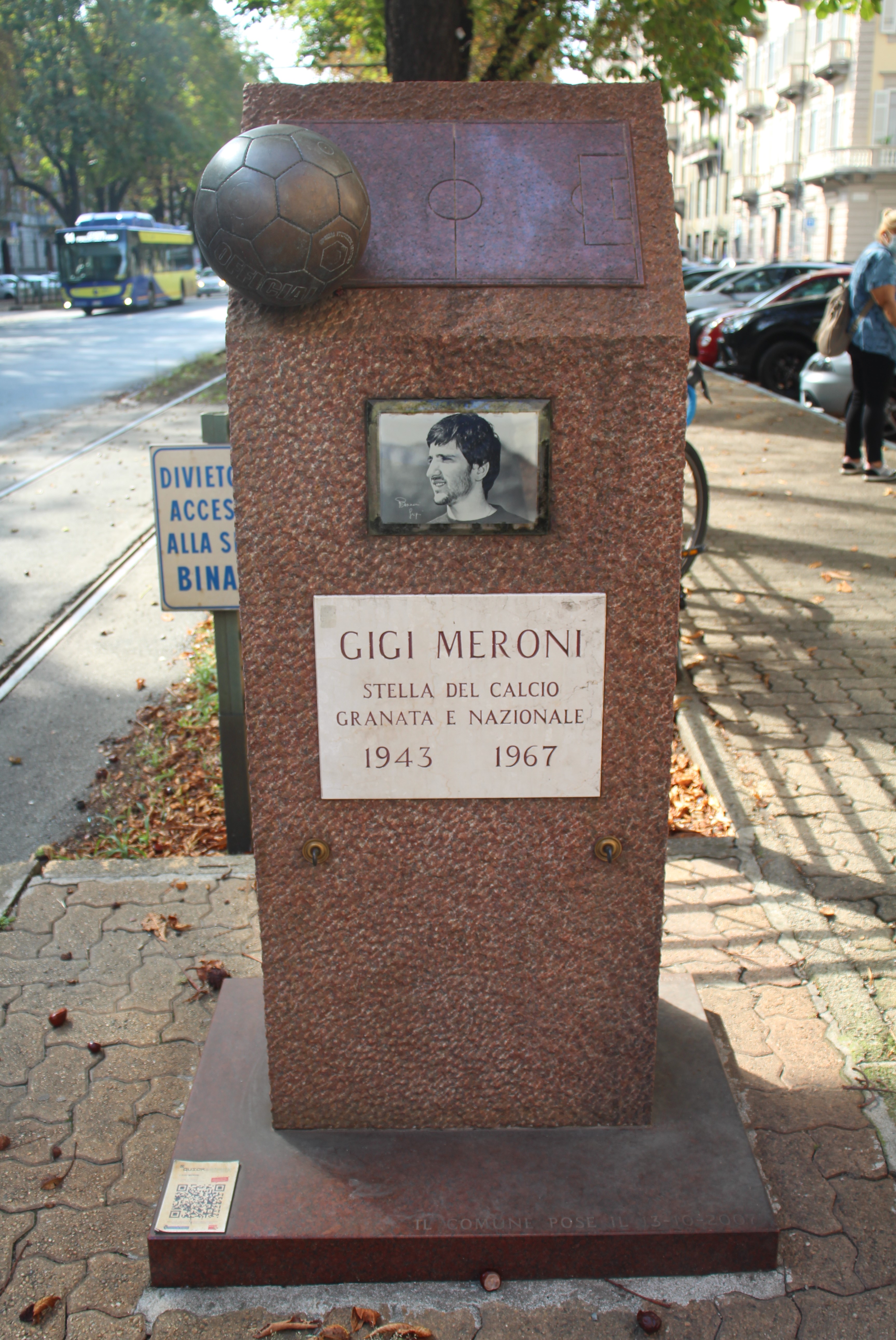
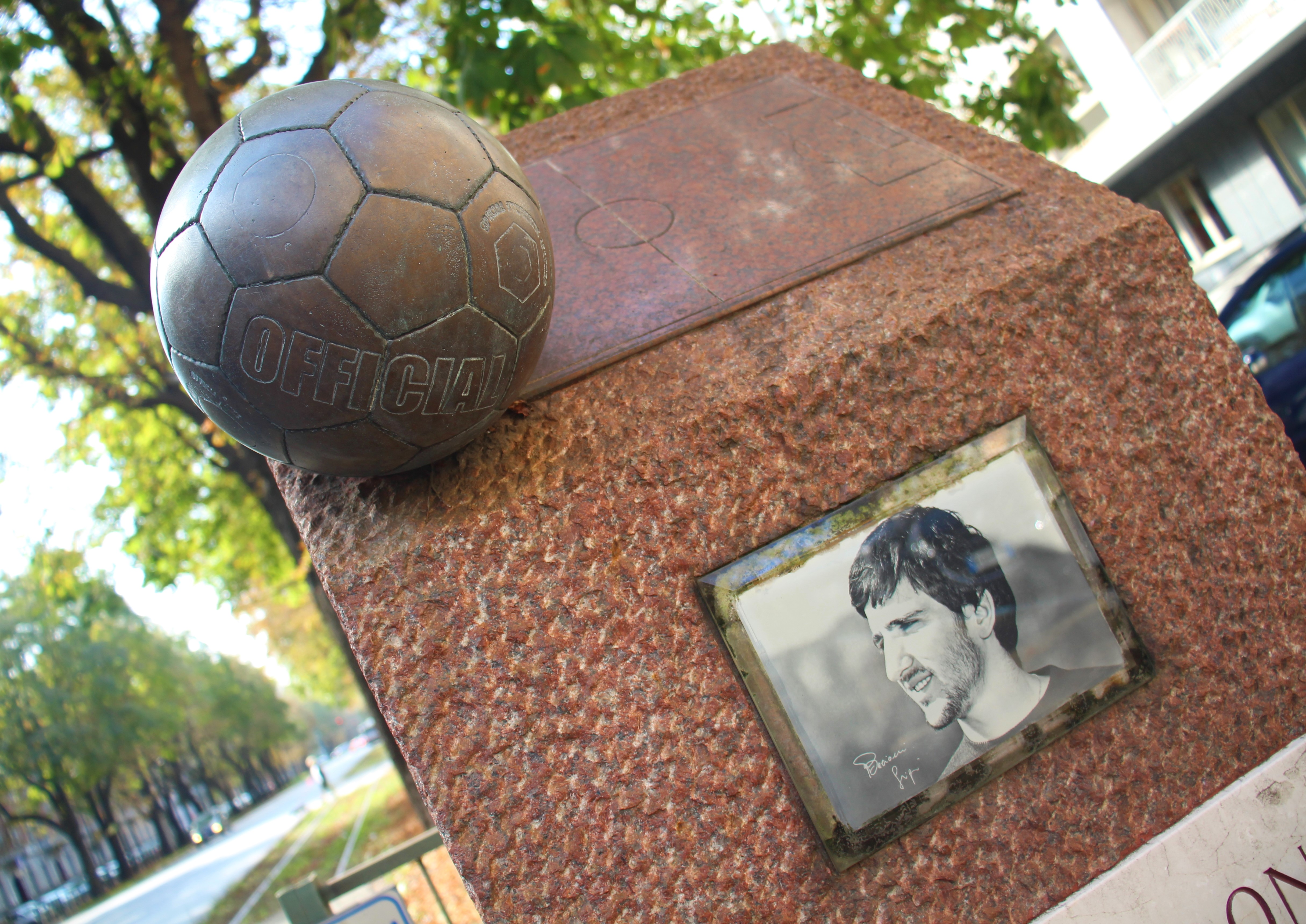
There is another Torino story, and one that tends to give the city an air of sadness in terms of football, and specifically with regards to the Torino club. I recently read the excellent “Calcio” book by John Foot. One chapter concerned the life and subsequent death of the Torino player, a real maverick, called Gigi Meroni. He joined Torino in 1964 and soon became the idol of the team’s supporters. A skilful and artistic ball-player in the style of George Best – a flamboyant playboy off the pitch, much admired by both sexes – he was out with a team mate after a Torino home game in 1967. Crossing the road near his flat on Corso Re Umberto, he was hit by two cars. He sadly died later in hospital. Bizarrely, the driver of the first car lived thirteen doors down from Meroni on that very street, and idolised Meroni, even adopting the same hairstyle. Over 20,000 people attended the funeral. In a bizarre twist, in 2000 the Torino club appointed a new president; a native of Turin, an executive at Fiat. His name was Attilio Romero, who just happened to be the driver of the first car that had hit Meroni in 1967. On my walk to my hotel on the previous day, I had stopped by the memorial on Corso Re Umberto to pay my respects. With the Juventus tragedy at Heysel haunting many in the city, Turin certainly has its share of sadness.

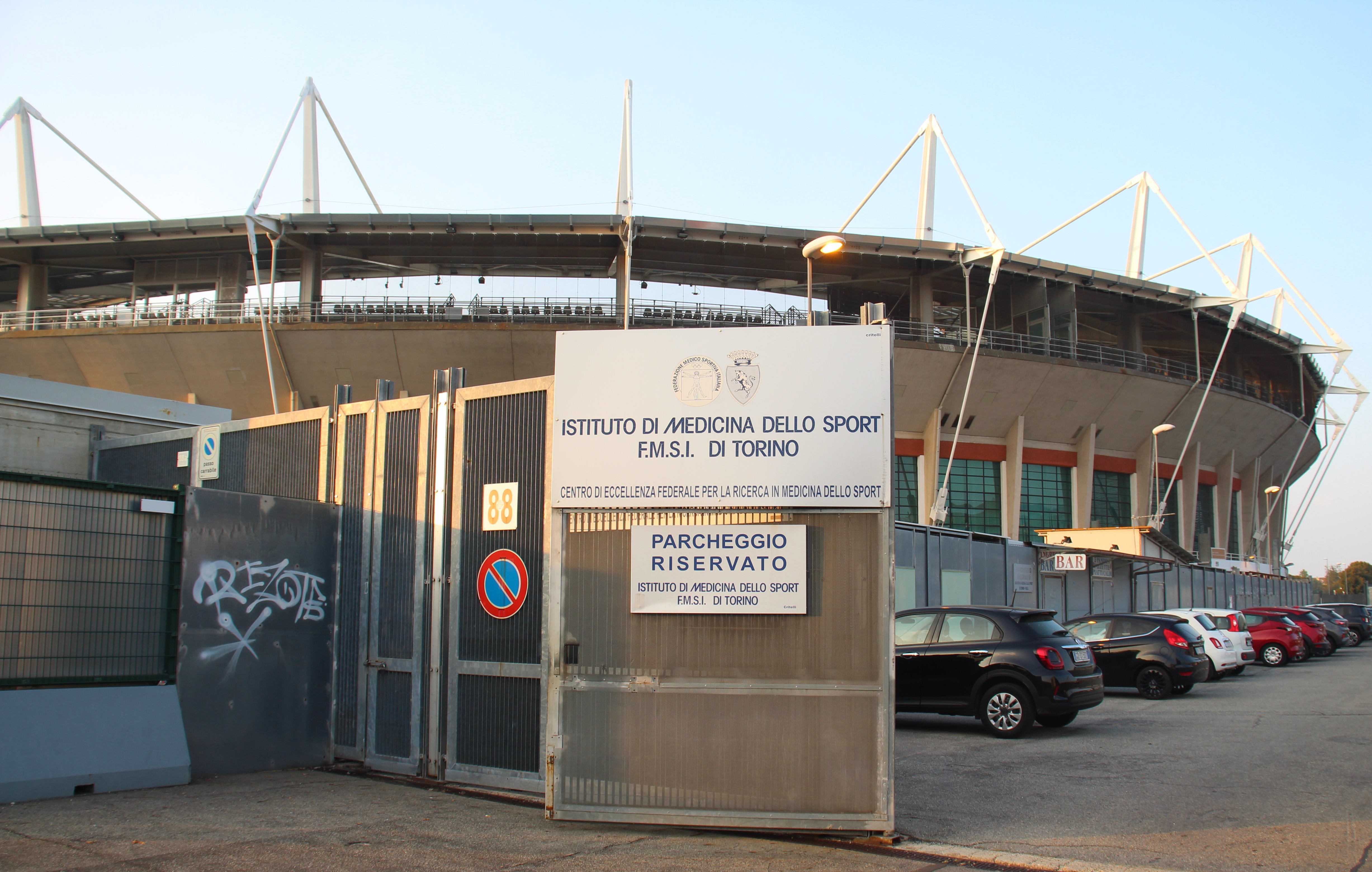
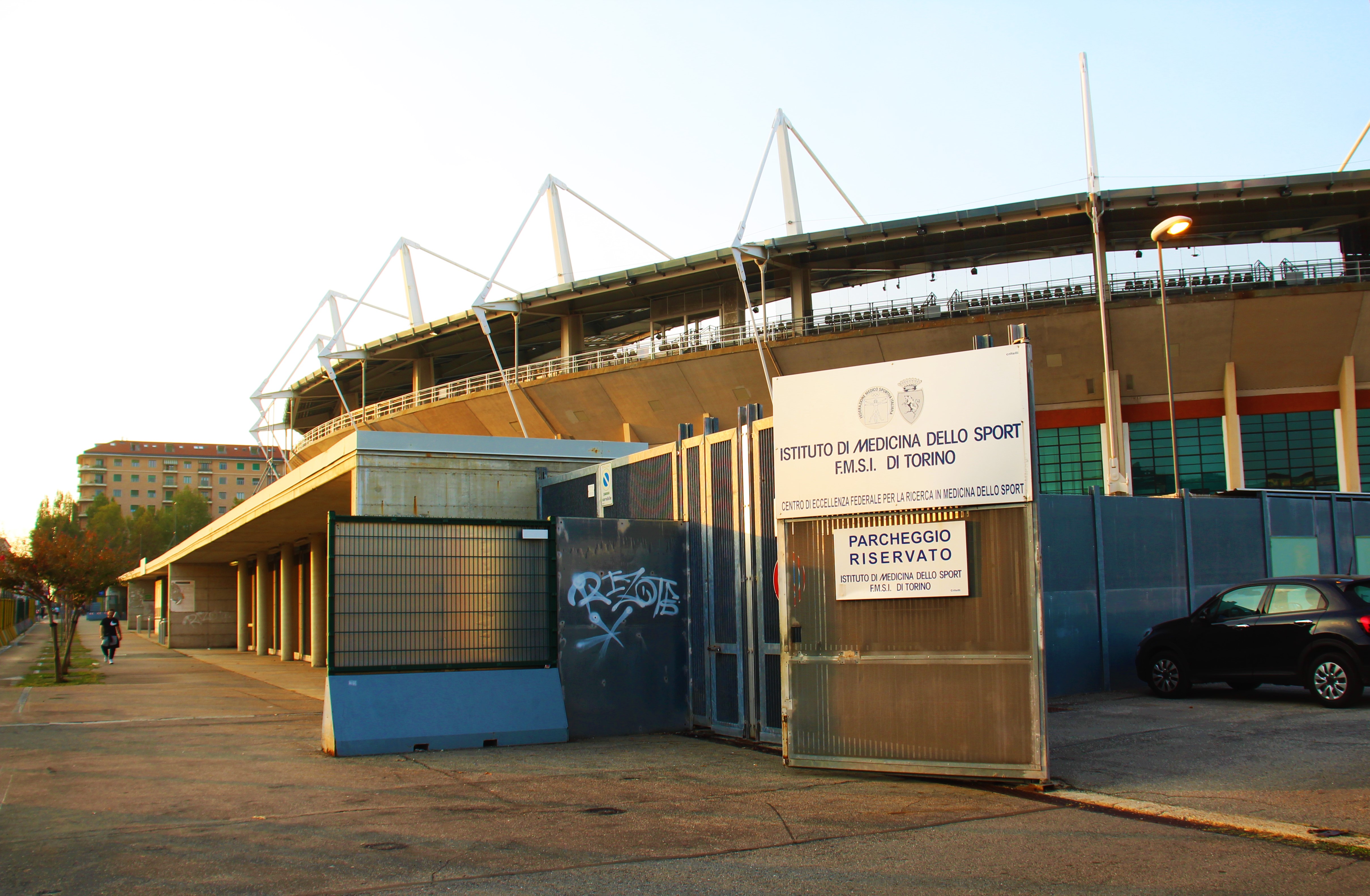
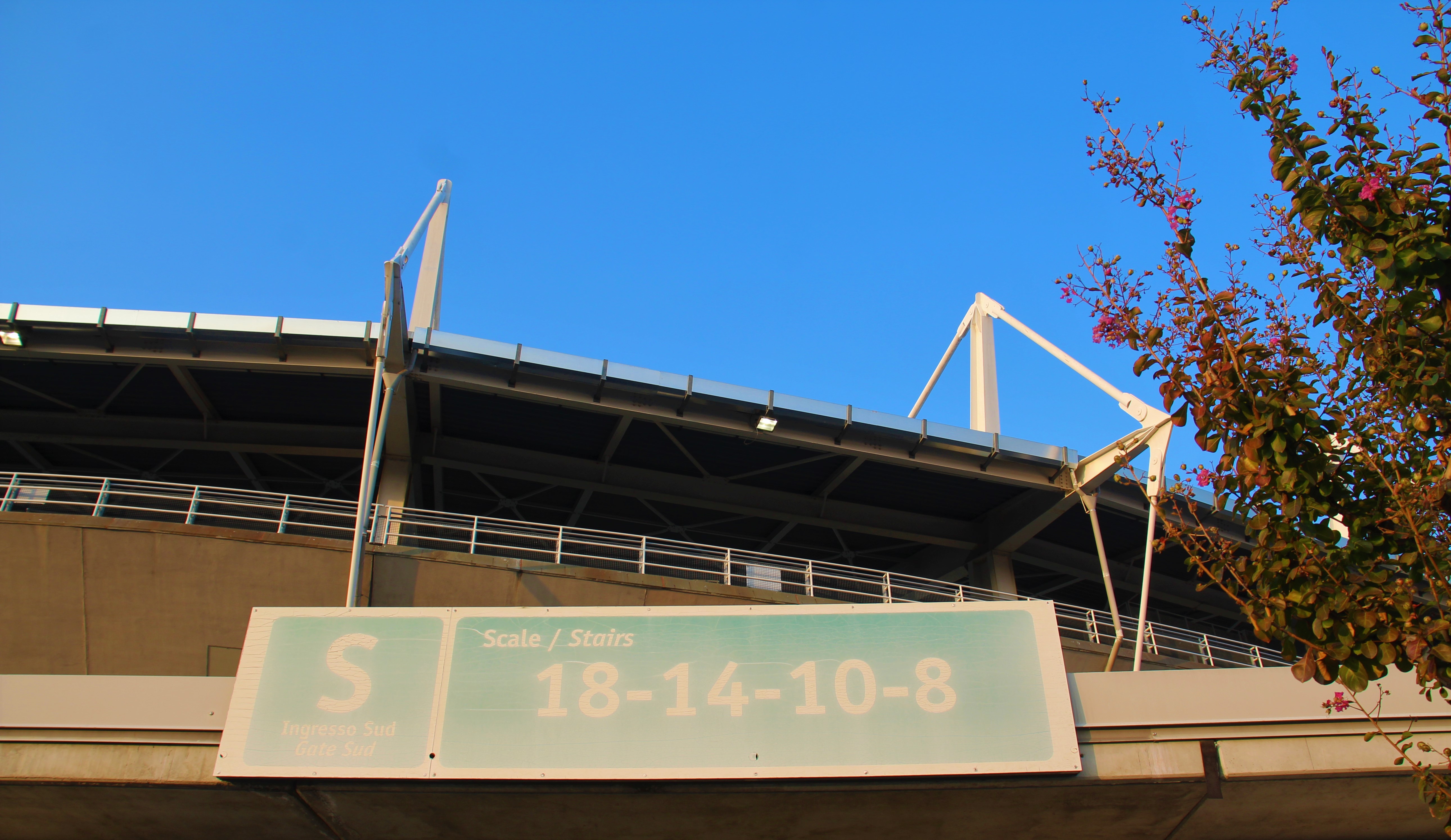
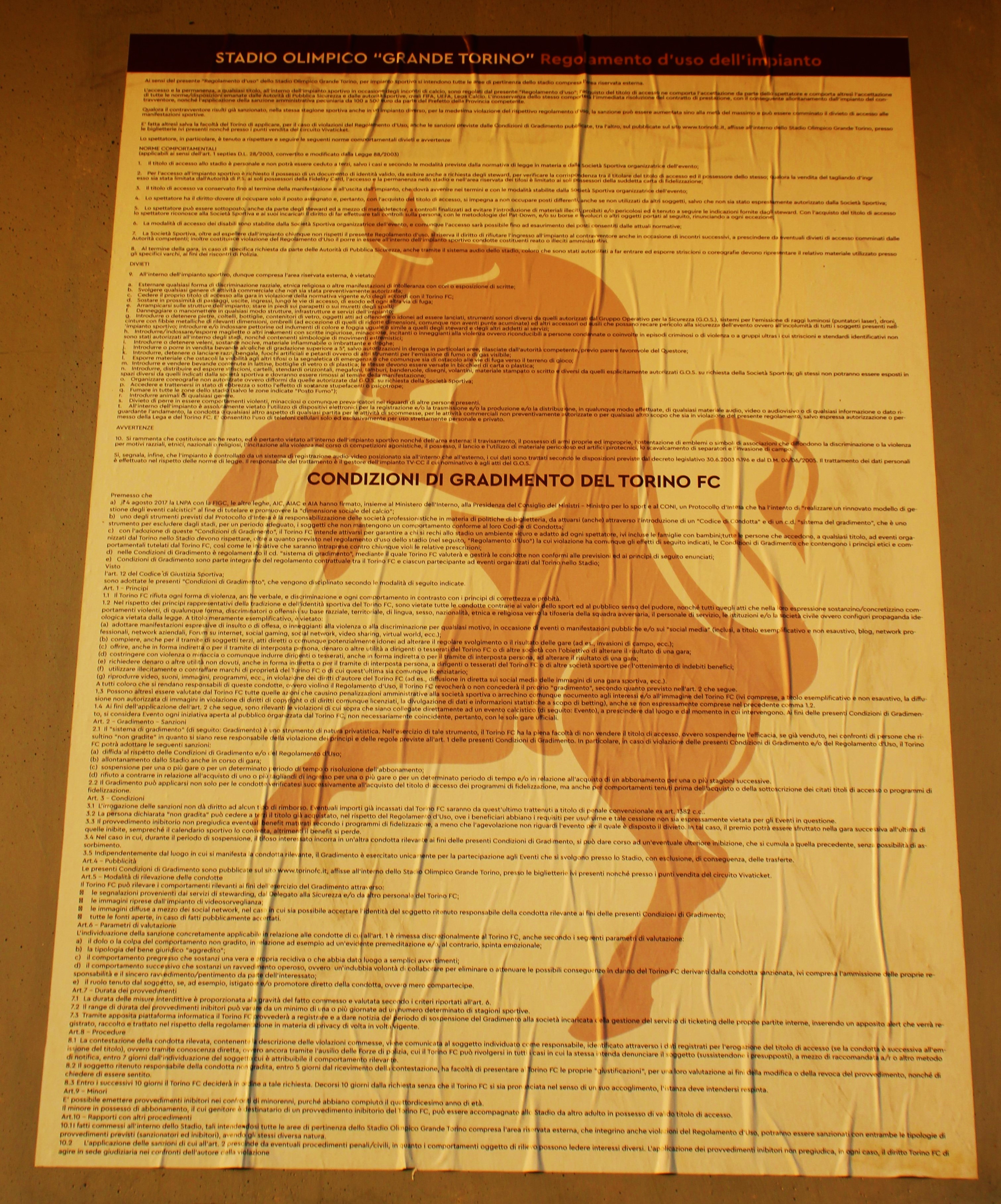
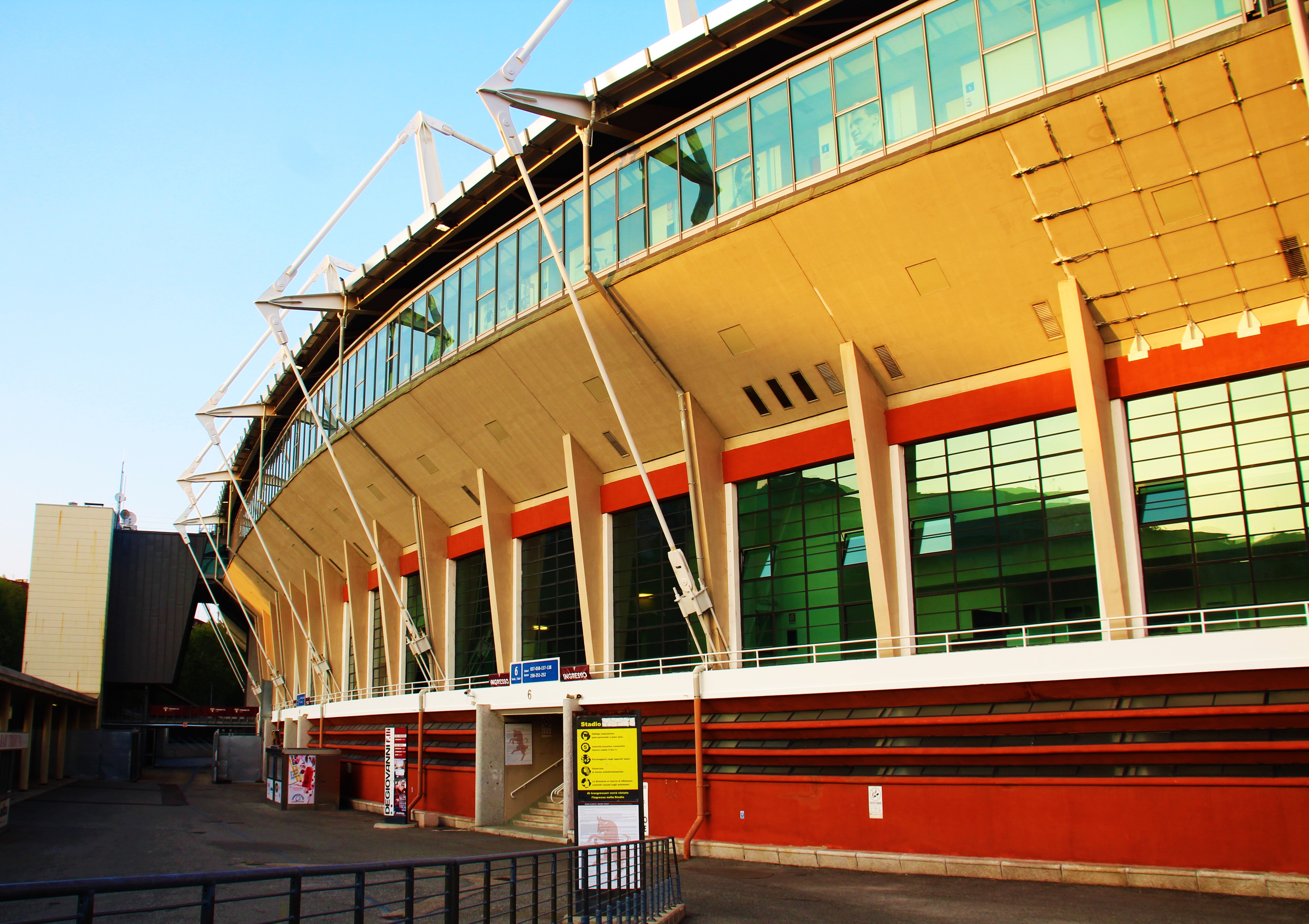
It was approaching 5pm now and I walked a few blocks west. Next up was Stadio Olimpico, formerly Stadio Communale, and the current home of Torino. The two stadia are only a quarter of a mile apart. I walked past a bar where two friends and I had visited in 1989. This was another trip into Turin for a Juventus game with college friends. We caught a bus down to have a mosey around the stadium on a sunny Saturday morning before the game with Fiorentina on the Sunday and spent a couple of hours chatting and drinking and basically enjoying each other’s company. I was twenty-three, we had just won the Second Division Championship, and I was off to the US in the September. At the time, it seemed like a dream weekend in the middle of a dream summer, and it does even more so now. Bob was Leeds, Pete was Newcastle, I was Chelsea. But for that weekend we were all Juventus. I remember we all bought Juventus polos in the ridiculously small Juve store within a central department store.

Memories were jumping around inside my head now. I walked along Via Filadelfia and the years evaporated.

On my first visit in 1987, I arrived outside the home turnstiles as thousands of Juventus fans were singing and chanting a full three hours before they made their way inside the preferred home end of the Curva Filadelfia. I set up shop outside and sold around thirty badges – Chelsea and Liverpool the best sellers – before then plotting up outside the Curva Maratona, selling a few more, then heading inside to see Ian Rush and Juventus defeat Panathinaikos 3-2, but sadly get eliminated due to away goals. I remember the pink flares before the game, I remember the noise of the passionate bianconeri, I remember I was positioned in the very back row of the Maratona, right next to the main stand, Gianni Agnelli and all. Antonio Conte’s right-hand man Angelo Alessio scored one of the three Juventus goals that evening. It is a night I will never forget, my first European night, and my first visit to the home of Juventus, a sprawling stadium with those iconic curved goal stanchions, and the team with those baggy white shorts.

I remembered March 1988 and the visit of Internazionale, their masses of fans packing out the Maratona, while I proudly stood on the Filadelfia for the first time. Two banners in the Maratona : “WIN FOR US” and “RUSH – YOUR WIFE IS FUCKING.” Juve won that game 1-0 with a Marino Magrin penalty.

A visit in November 1988, my first flight into Europe for football, and I watched with my friend Tullio on the distinti as Napoli – with Diego Maradona at the very heart of its team in light blue shirts – defeated Juventus by the ridiculous score of 5-3. Tullio, aware that his Napoli friend Giorgio was in the Maratona, memorably wanted to leave at half-time when the visitors were already 3-1 up.

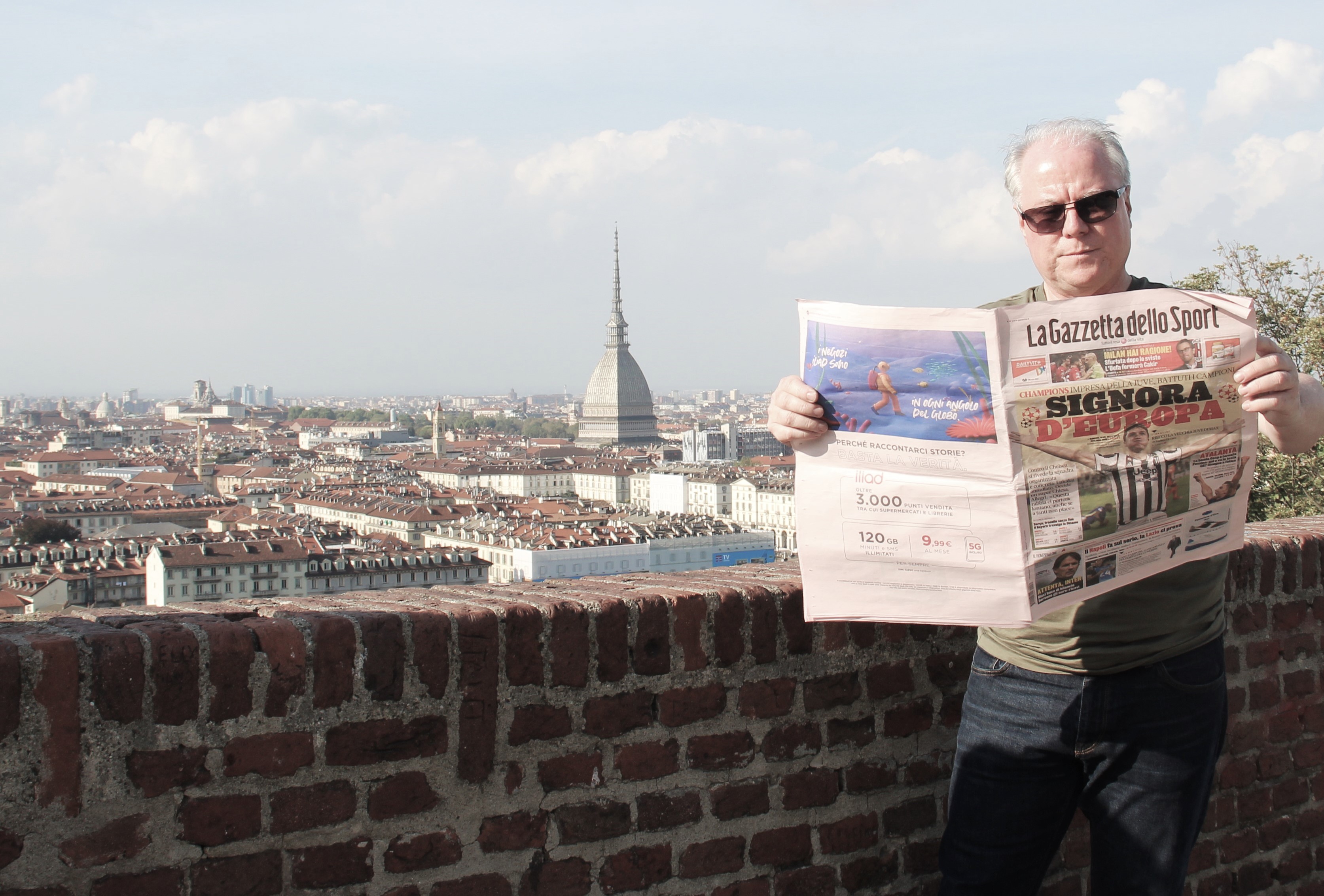
The game against Fiorentina in 1989, and the memory of piles and piles of the magazine “Guerin Sportivo” lying at the base of the Curva Filedelfia, intended to be claimed by home fans and then torn up as the teams entered the pitch. Instead, I gathered three different copies to take away from the game and to add to my collection. In those days, I would often buy “La Gazzetta” in Bath or “Guerin Sportivo” in London to keep up-to-date with Italian football. In 1988/89, I could probably rattle off most starting elevens of the dominant teams in Italy. In 2021/22, I struggle with the starting elevens of the main English teams.

I guess I have seen too much.

Also from that game, Roberto Baggio, of Fiorentina, getting sent-off in a 1-1 draw, but also the 2,000 strong visiting Fiorentina fans leaving early, possibly to avoid an ambush or perhaps to carry out an ambush en route back to the main station.

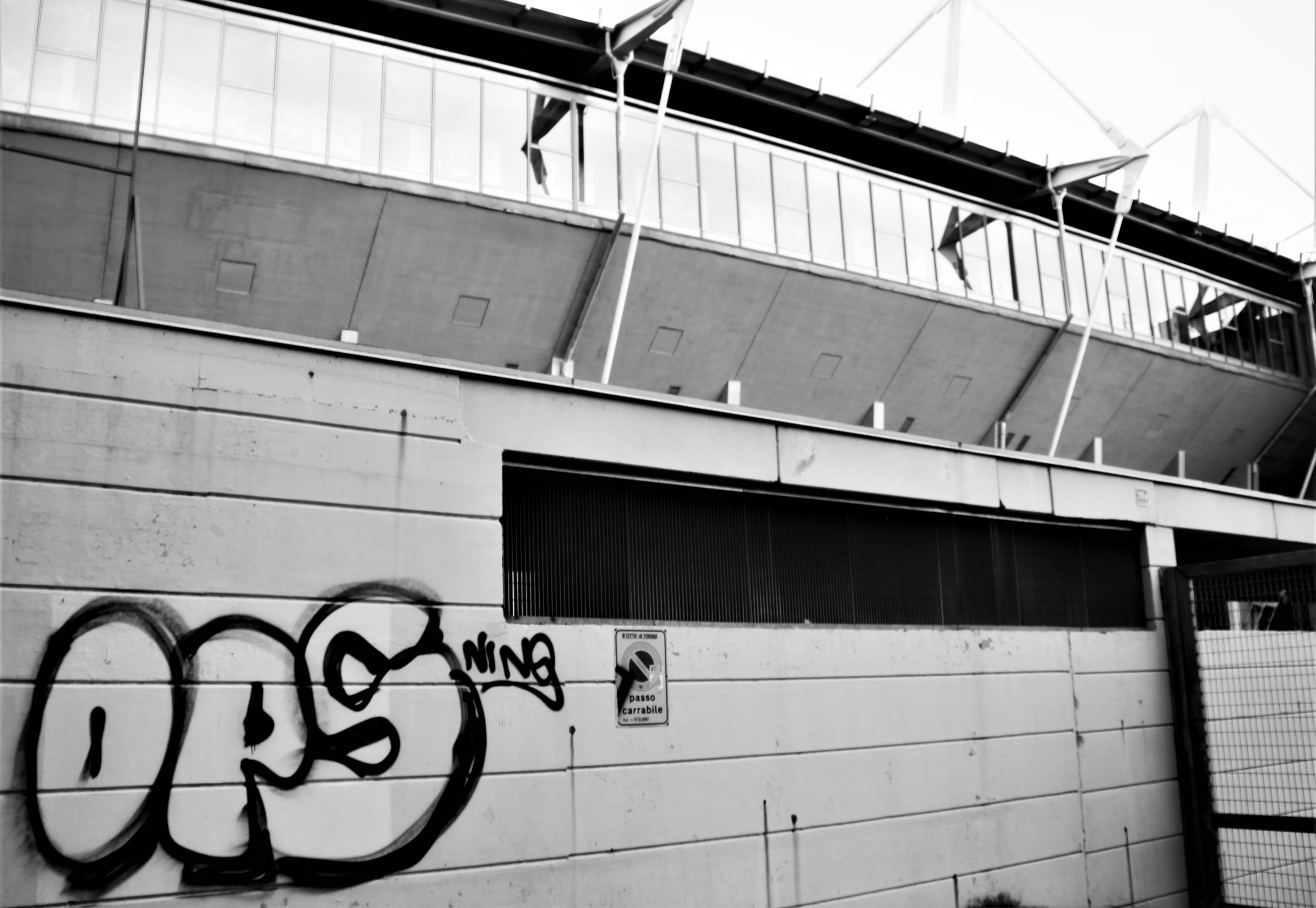
As with the scene that greeted me in 1987, there was masses of graffiti adorning the wall opposite the turnstiles. In 2021, all football related, and undoubtedly inflammatory against certain teams. In 1987, graffiti of a more political nature; the names Pinochet and Hess hinted at the rumoured right-wing bias of some dominant Juve supporter groups.  The old adage was Juve, Lazio and Inter right, Torino, Roma and Milan left though those rules seem to have diluted and changed in the subsequent years.

I turned the corner and peaked inside at the main stand. From our 1992 visit, I remember the four of us had sidled into the Stadio Communale unhindered – our version of “The Italian Job” – and had scrambled over to the main stand as easy as you like. The stadium was deserted, it was used occasionally for athletics, and I remember I even spent a few minutes sitting in the old directors’ box, possibly the seat used by either the owner Agnelli or the president Giampiero Boniperti.

As I turned north, with the turnstiles to the Curva Maratona in view, I remembered my very last visit to the stadium, in March 2009, with Chelsea. As you can imagine, what with my Juventus side-line, the meeting of the two teams was pretty much my dream tie. I remember I had gambled on Bristol to Turin flights – £37 – and I well remember my old boss coming into a meeting one morning to tell me “Juventus” when the draw was made. My gamble had paid off. While the unloved Delle Alpi was being demolished and then the new Juventus Stadium rebuilt on the same site, both Turin teams decamped to their former home, now remodelled and upgraded for the 2006 Winter Olympics. Now with a roof, and a deeper distinti – but bizarrely looking smaller than the Communale – around 3,000 Chelsea loudly supported the boys on a fantastic evening in Turin, a 2-2 draw enough for us to advance on away goals. It was, indeed, the game of my life.

By the way, the Juventus manager that night? Claudio Ranieri. I wonder what happened to him.

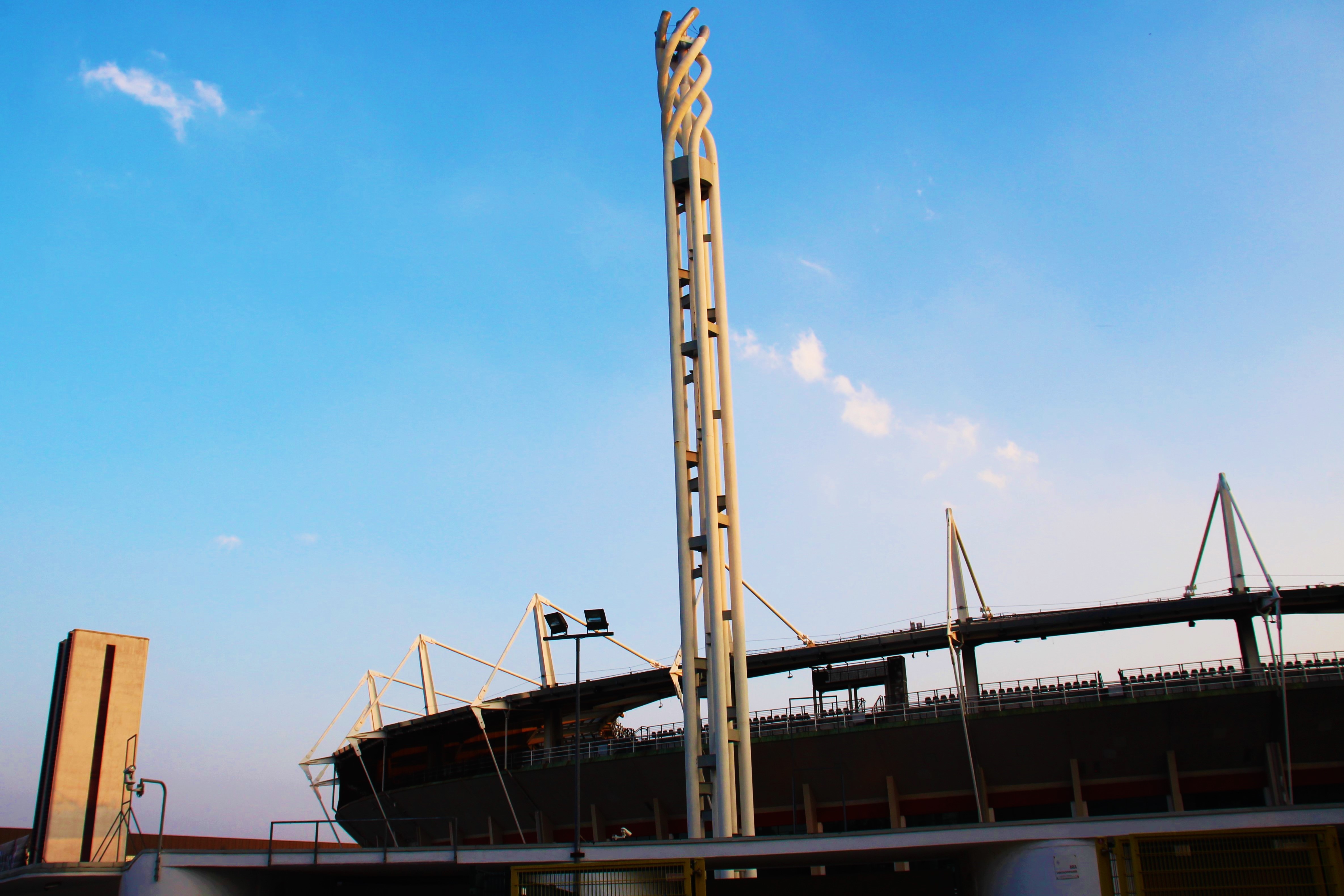
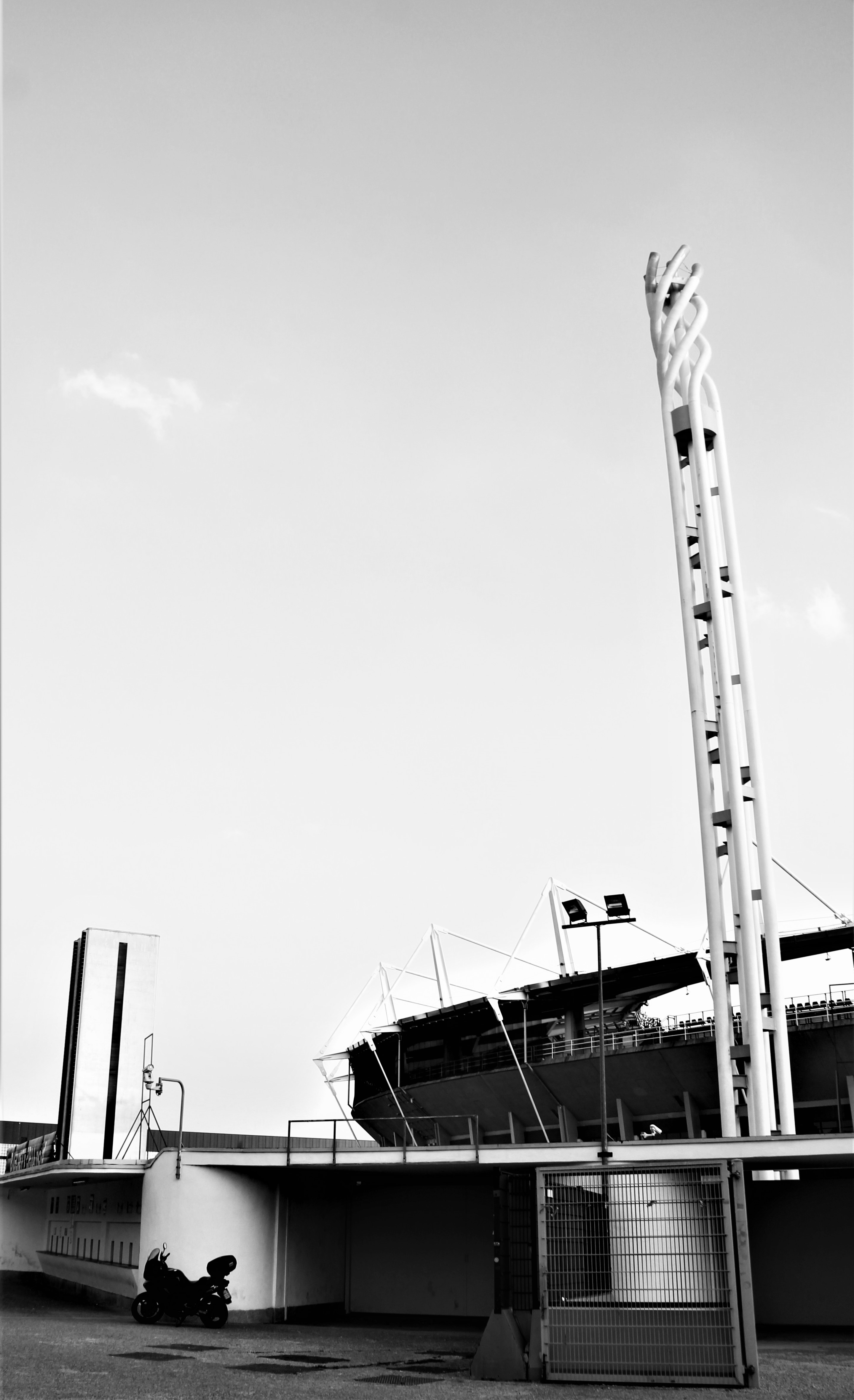
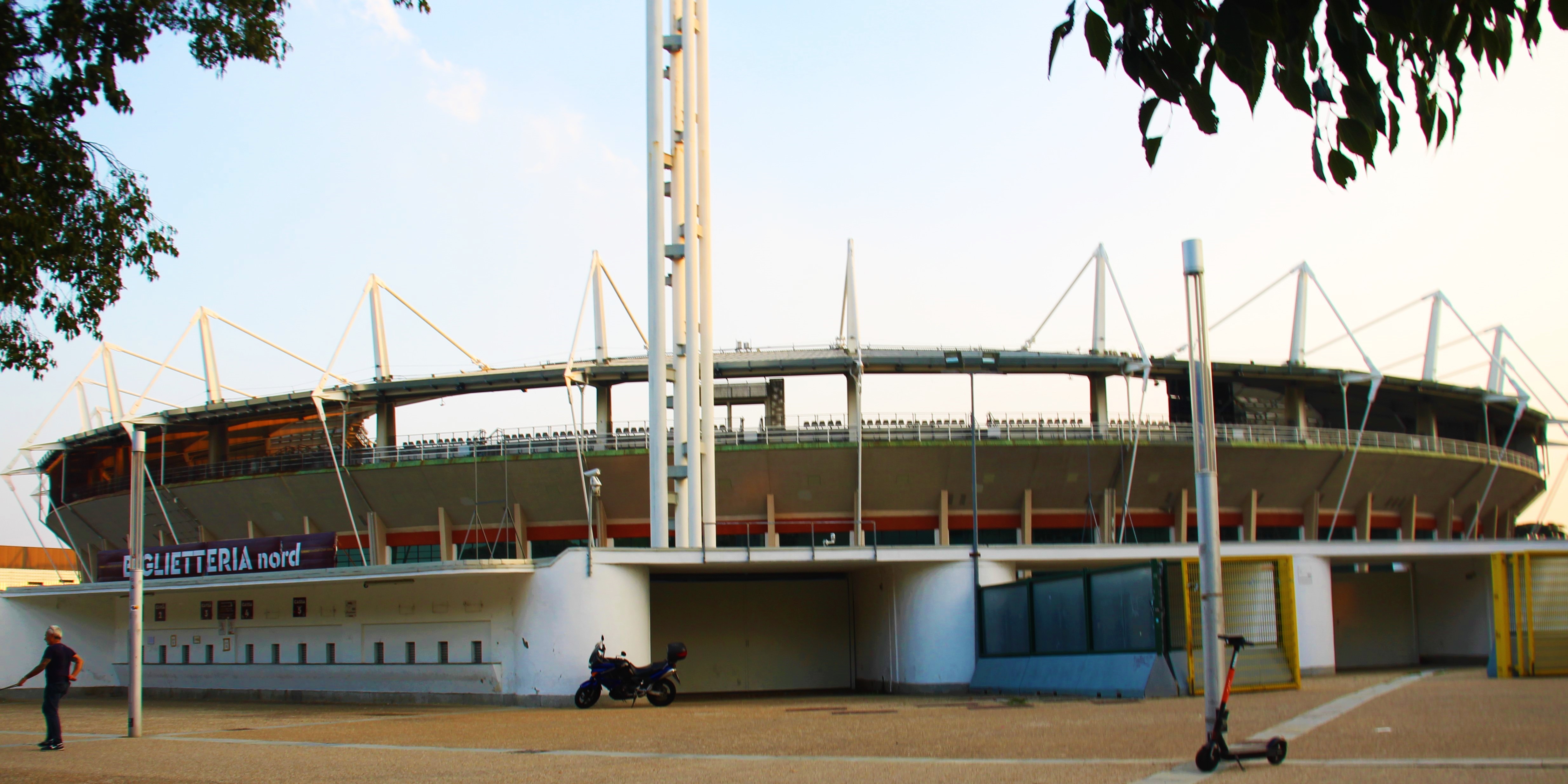
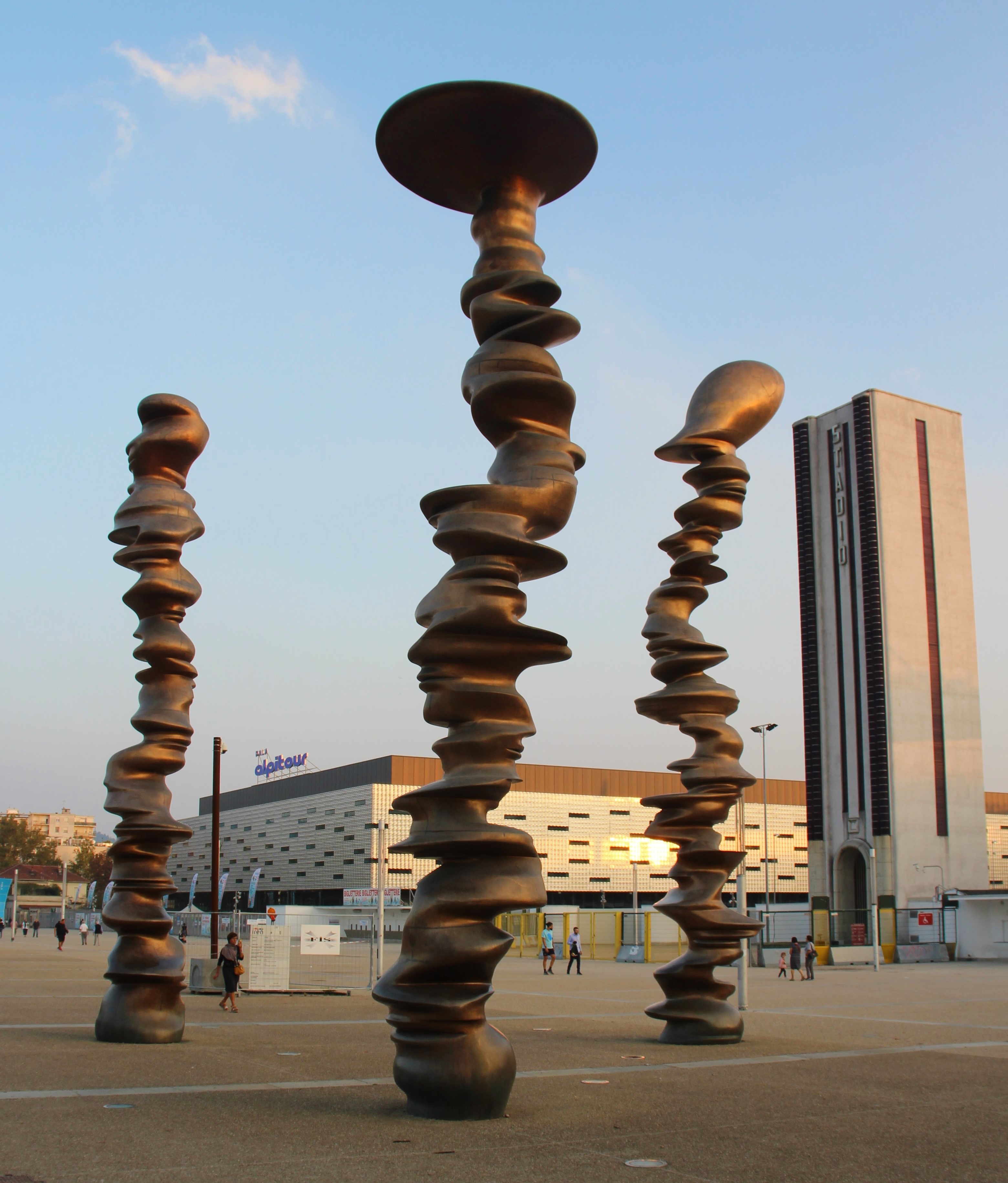
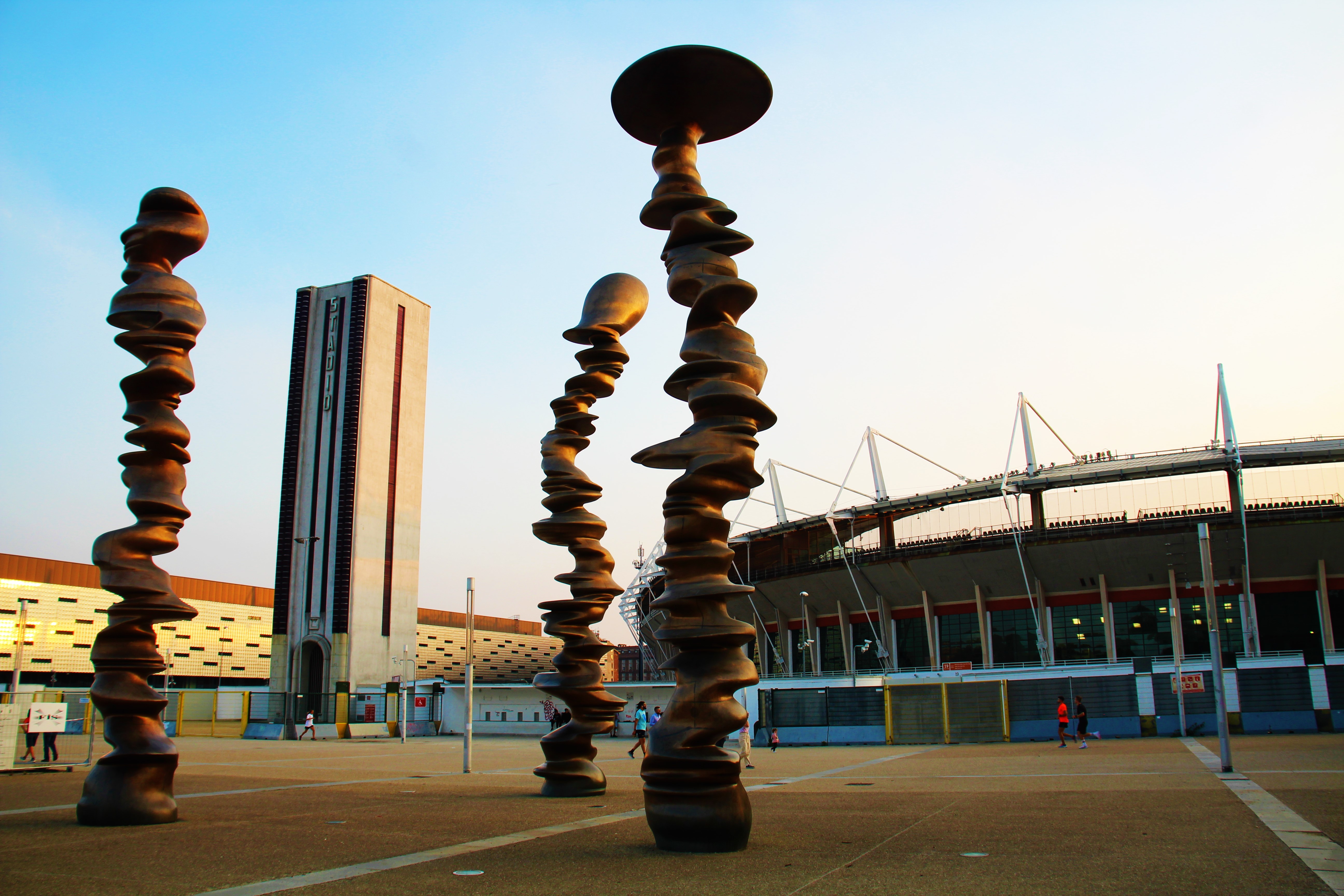
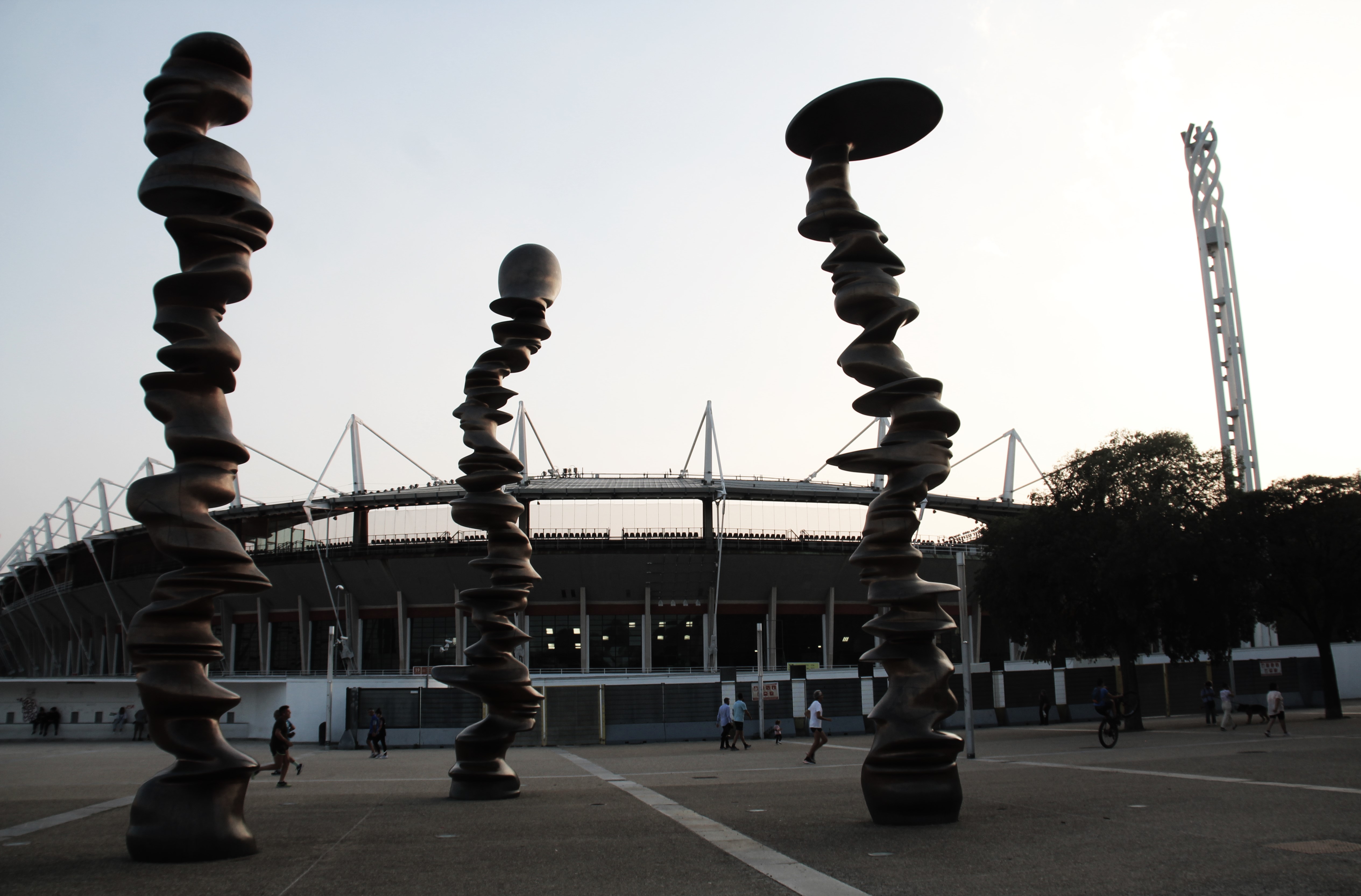
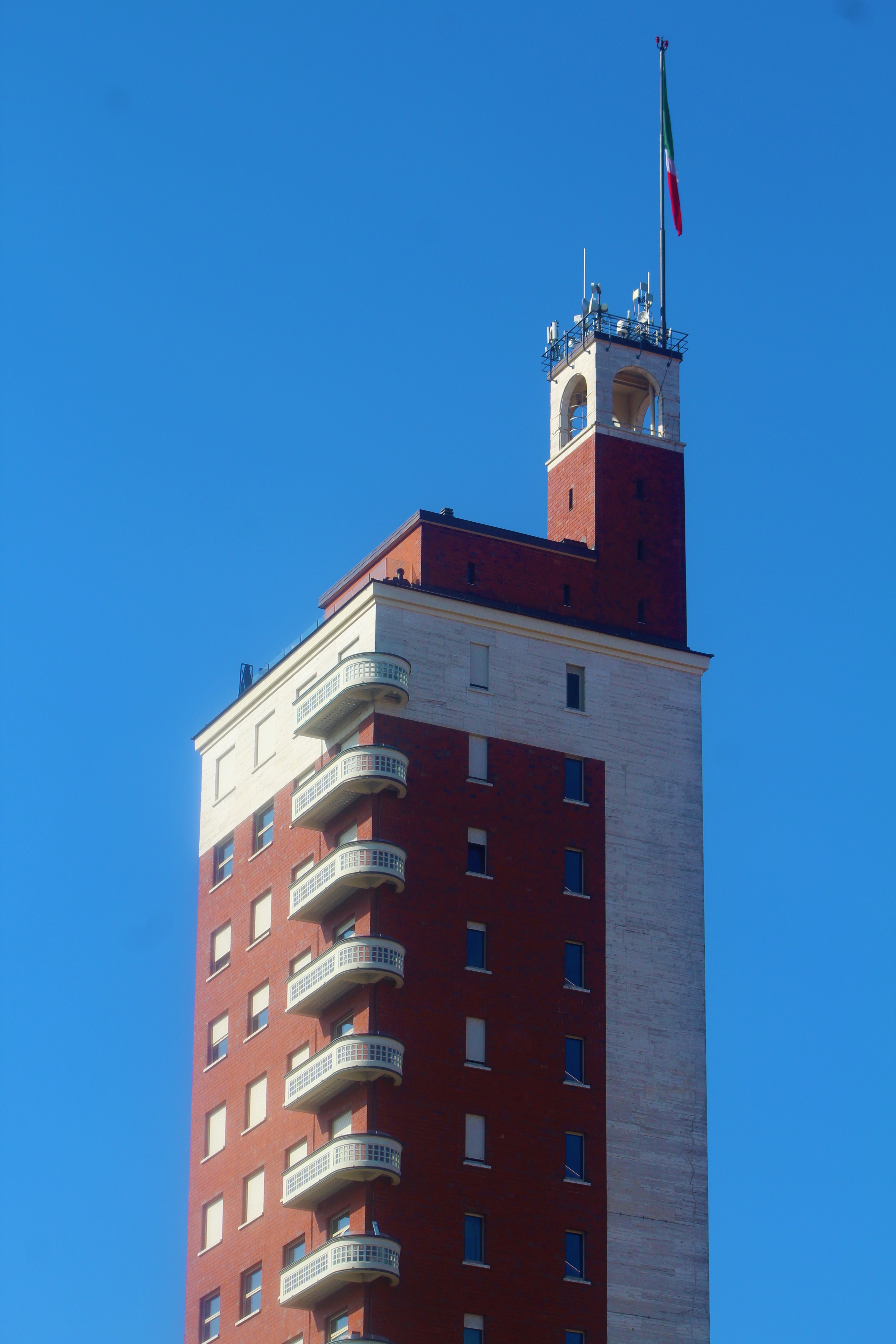
It was now around 6.30pm and I needed to move on. But I liked the view of the Stadio Olimpico from the north. The marathon tower, which I believe was once known as the Mussolini Tower – the stadium was once known as Stadio Benito Mussolini – looks over the roofed stadium and there are huge sculptures by Tony Cragg, similar to those that I saw outside that wonderful art gallery in Baku in 2019. On my hurried walk back to Carducci Molinette – past joggers and cyclists and power-walkers, and folk practising tai-chi – I walked alongside a park that I remembered from my very first visit in 1987, saddened with Juventus’ exit from the UEFA Cup and not sure where – on what train – I would be sleeping that night.

Who would have possibly thought that thirty-four years later, I would be preparing myself for my third Juventus vs. Chelsea game of my life? Certainly not me. That season, Chelsea were relegated to Division Two.

We’ve come a long way baby.

And this was the crux of this whole trip. Despite this trip to Turin coming too soon in a COVID-confused autumn – the first away trip of the campaign – and with the pandemic still active throughout Europe, with all of the allied concerns and stresses, it was the lure of Chelsea playing Juventus that did it for me. I am not bothered about going to Malmo. A trip to St. Petersburg in December would be superb, but maybe too expensive and too “involved”. But Juventus? I just had to be there.

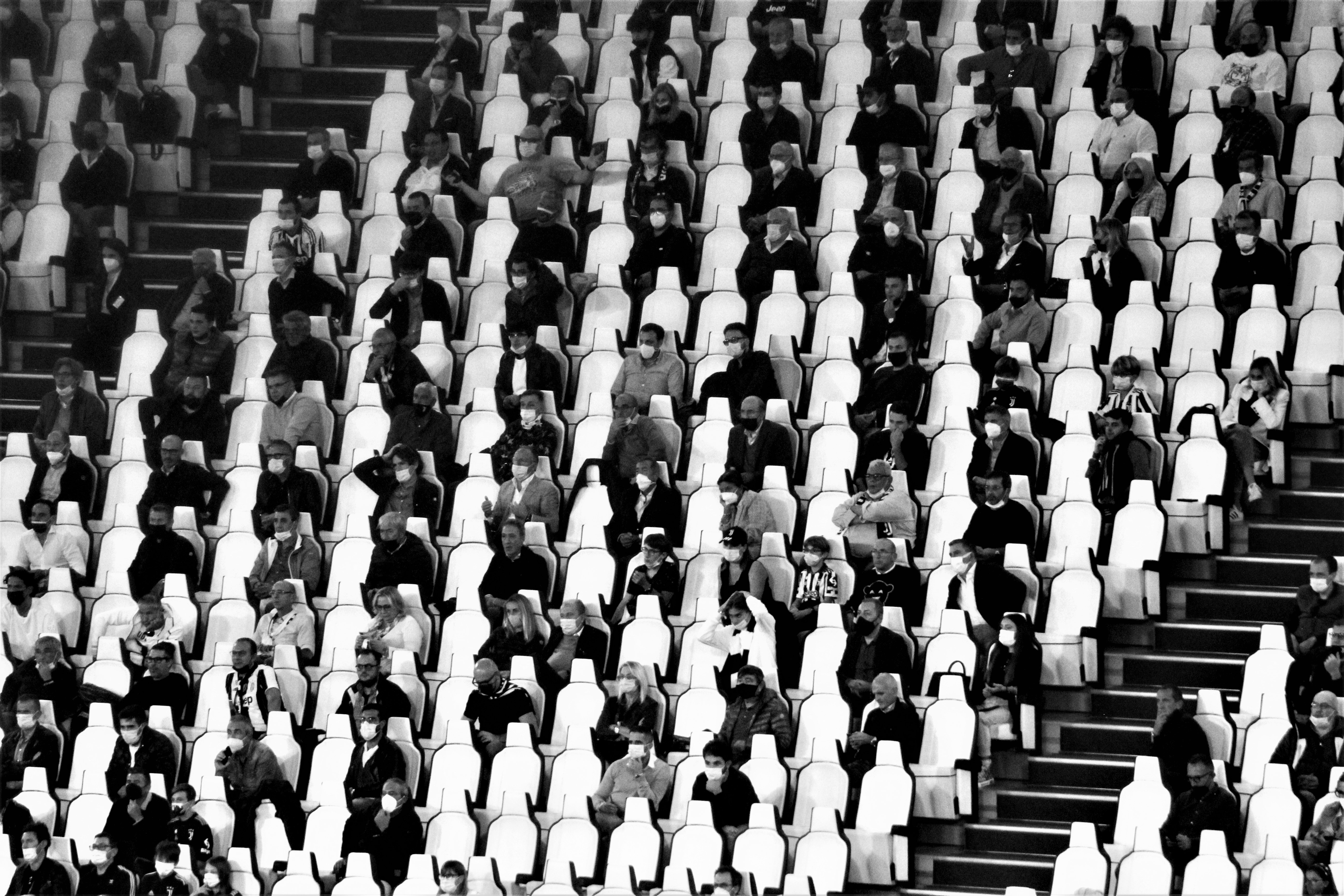
At around 7.10pm, I was headed into the city on the subway and the evening’s game was now in my sights. At every station, I expected more fans to join. But there were hardly any. Admittedly, the attendance would be clipped at around the 20,000 mark – we had allegedly sold 500 of our allotted 1,000 – but I just expected more fans to be on their way north. It was all very odd.

At around 7.30pm, I exited at Bernini station. Here, we had been told on the official Chelsea website, to take a shuttle bus to the stadium. Again, hardly any match-going fans were in the vicinity. The stadium was a good two and a half miles away. I began to worry. What if there was no bus? I toured around all points of the compass and eventually spotted a few likely match-goers at a bus stop. Phew. The bus took maybe twenty-five minutes to finally reach the stadium. Three young Chelsea lads in full replica-shirt regalia were sat close by.

Too noisy. Too full of it. Too eager. Too annoying.

God, I am getting old.

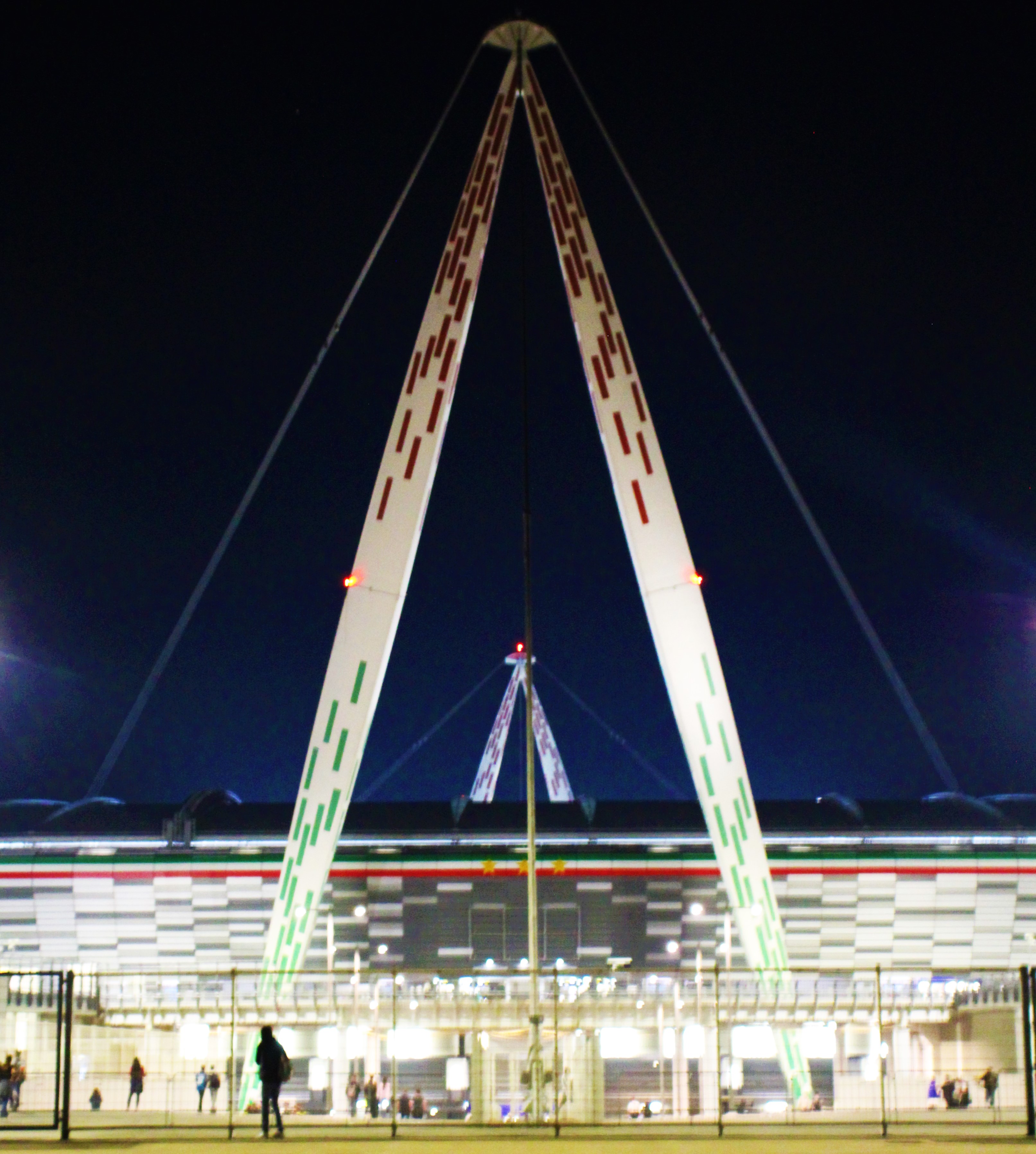
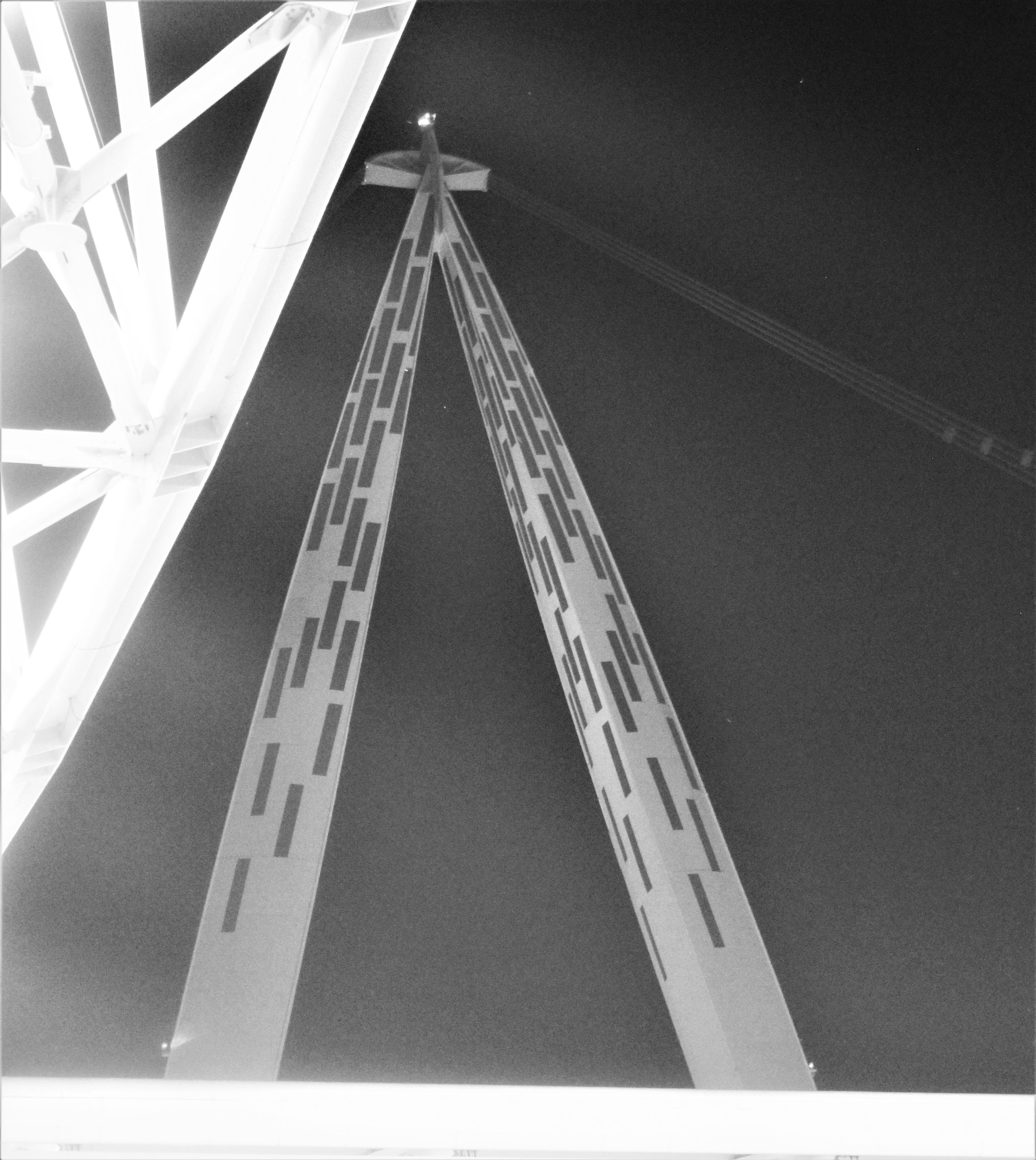
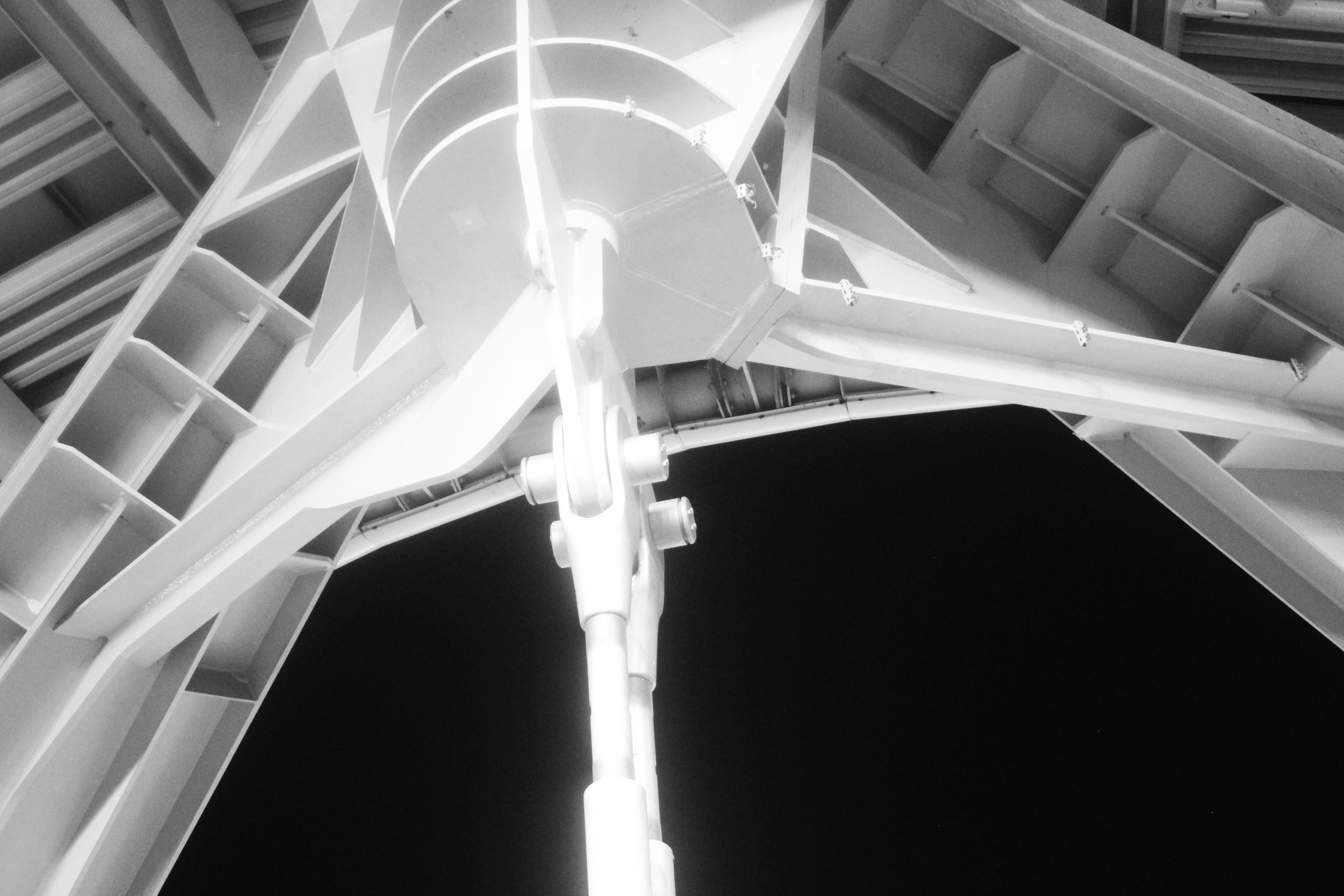
Just after 8pm, the bus deposited us at the northern end of the stadium and I made my way past a few street vendors selling fast food, panini, hot dogs, crisps, wurst, drinks, and also various Juventus trinkets. Outside the away turnstiles, a ring of police guarded our entrance. Ahead stood the two “A” frame supports that are effectively the sole remnants of the old Delle Alpi stadium which stood on the site from 1990 to 2009.

My first visit here was during that 1992 trip; we watched high up along the western side in the upper tier towards the home Curva Scirea. Sadly, the game with Sampdoria – Gianluca Vialli in attack – was a poor 0-0 draw. A couple of years earlier, of course, the stadium witnessed Gazza’s tears amid the tumultuous England vs. West Germany World Cup semi-final.

My only other game at the old Delle Alpi came on a Sunday after Tullio’s wedding to Emanuela on a Saturday in May 1999. Rather bleary-eyed from the excesses of the wedding reception, I caught a cab to the stadium and arranged with the cab driver to pick me up right after the game with Fiorentina, yes them again, and whip me up to Caselle to catch the flight home. Juventus had just lost to Manchester United in the Champions League semi-final the previous midweek, and the mood was a little sombre. I nabbed tickets in the other side stand, again near the Curva Scirea, and watched as Juventus – Zinedine Zidane et al – beat the hated Viola 2-1 with a very late goal from none other than Antonio Conte. Our former manager went into Juventus folklore that afternoon. After scoring, he ran towards the 1,000 or so away fans located, stranded, in the middle tier, and taunted them by pulling out the corner flag and waving it at them in a show of braggadocio.

The time was drawing on and there was a crowd waiting to enter the Allianz Stadium.

“Good job we have time on our side.”

I patiently waited in line, and spotted a few friends amid the Chelsea faithful. This was where it could have gone all so wrong. After I had picked up my match ticket at the city centre hotel at around 3pm – a police van parked outside just to keep us company – I returned to my hotel room. I almost put my passport to one side – “won’t need that again” – but then remembered that in Italy a passport is required at the turnstiles. Time was moving on but the line didn’t seem to be diminishing too quickly. Tempers were getting a little fraught. Just three stewards checking five-hundred passports. Police spotters – Goggles and his cronies – were loitering, and a few unidentified persons were filming our every move. It did feel a little intimidating.

A familiar voice :

“Hurry up. Only two euros.”

Eventually, I made it to the front of the huddle.

The first check married up my passport with my COVID19 pass, and then there was a temperature check.

OK so far.

Then a passport check against my match ticket.

OK.

Then a quick pat down and a very quick check of my camera bag.

OK.

Then, further inside, another passport and match ticket check.

OK.

I walked on, up the steps, a quick visited to use the facilities and I was inside at around 8.35pm.

“Good job I work in logistics.”

I made my way into the sparsely populated lower tier and chatted to a few friends. A quick word with Ryan from Stoke, with whom I had enjoyed some mojitos the previous night.

“Good night, wannit, Ryan?”

“Was it? Can’t remember getting in.”

I soon spotted Alan and Pete and made my way over to see them. We would watch the match from almost the same position as the November 2012 game.

At the time of that visit, the Allianz Stadium was known as the Juventus Stadium and had only opened in 2011. It was a horrible night, Chelsea suffered a lame 0-3 loss, and the game signalled the end of Roberto di Matteo’s short reign as Chelsea manager. I remember the sadness of the following morning and a text from a work colleague that informed me of the sudden news. Nine years later, I remember little of the game. I know we played with no real striker, a false nine, and Juventus were well worth their win. The loss would cost us our place in that season’s competition.

Oh well. We just sailed full steam ahead and won the Europa League in Amsterdam instead.

First thoughts?

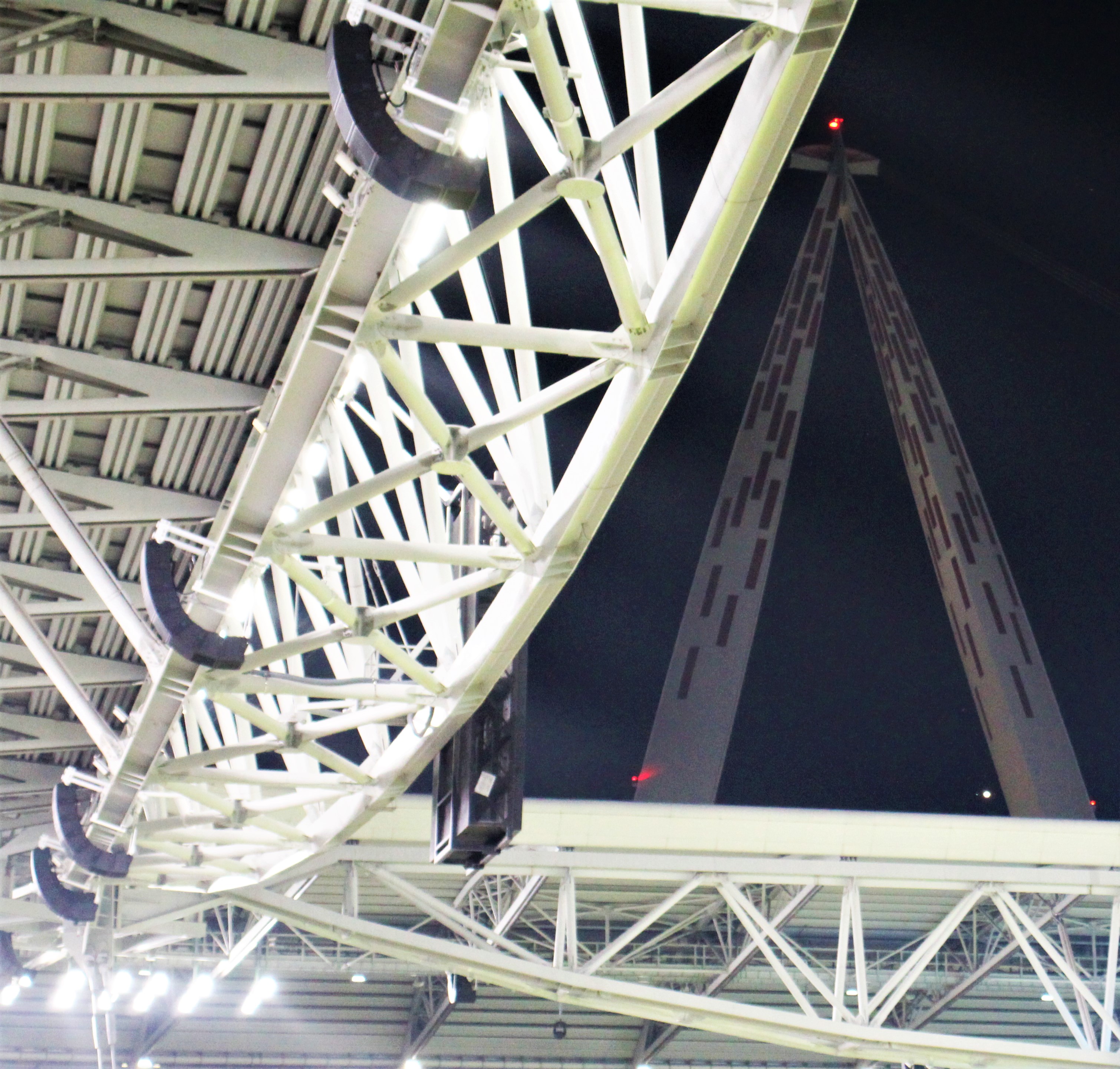
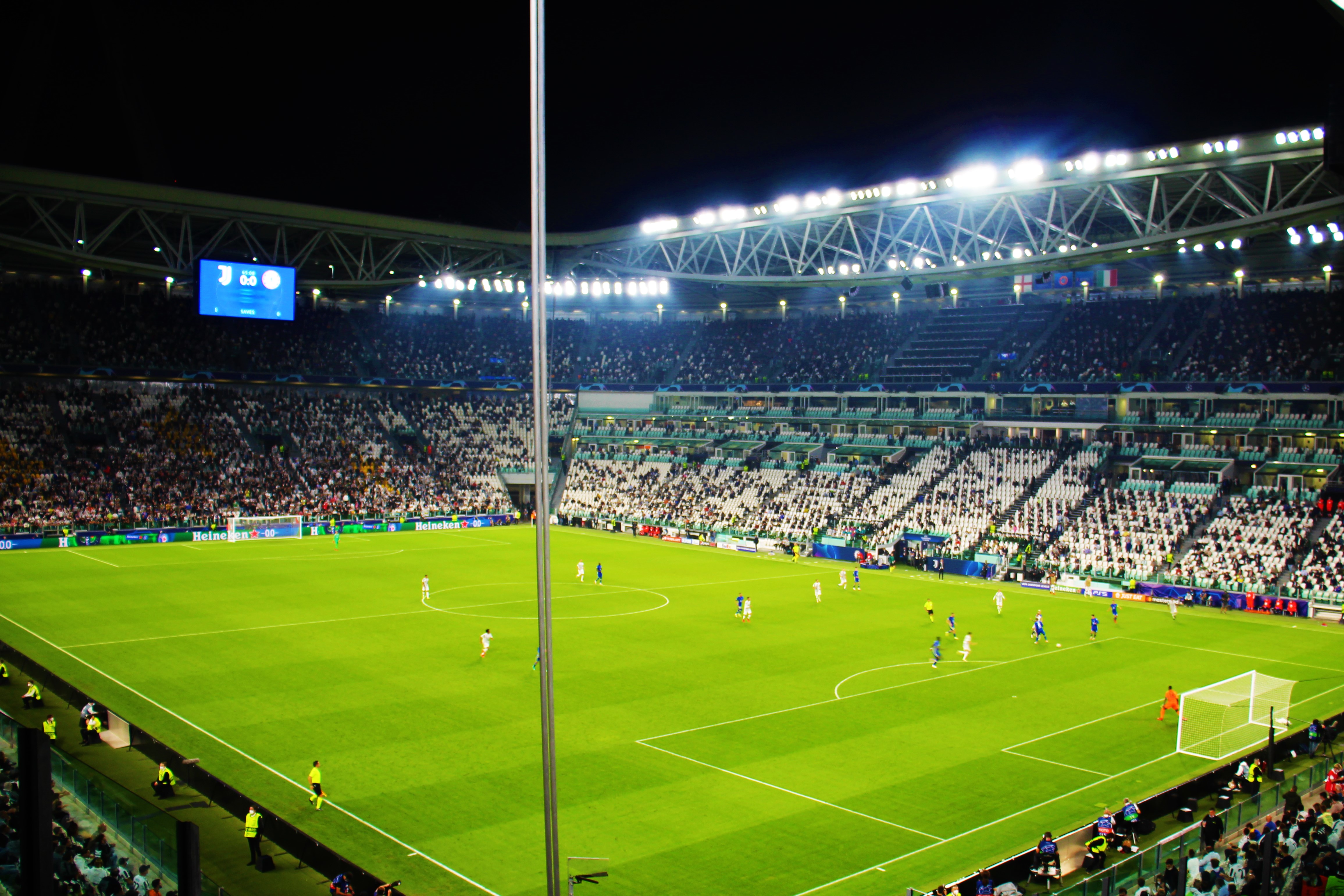
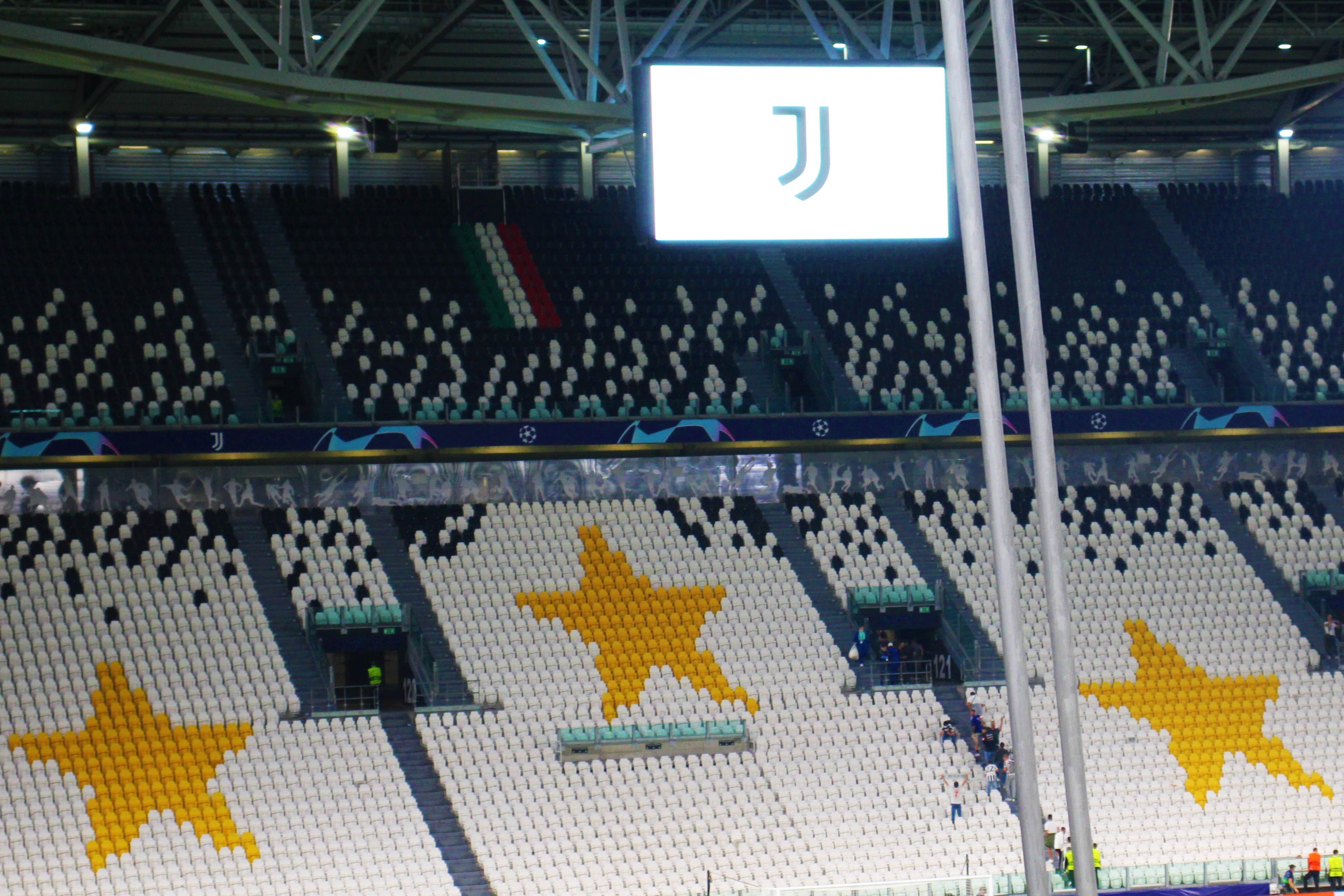
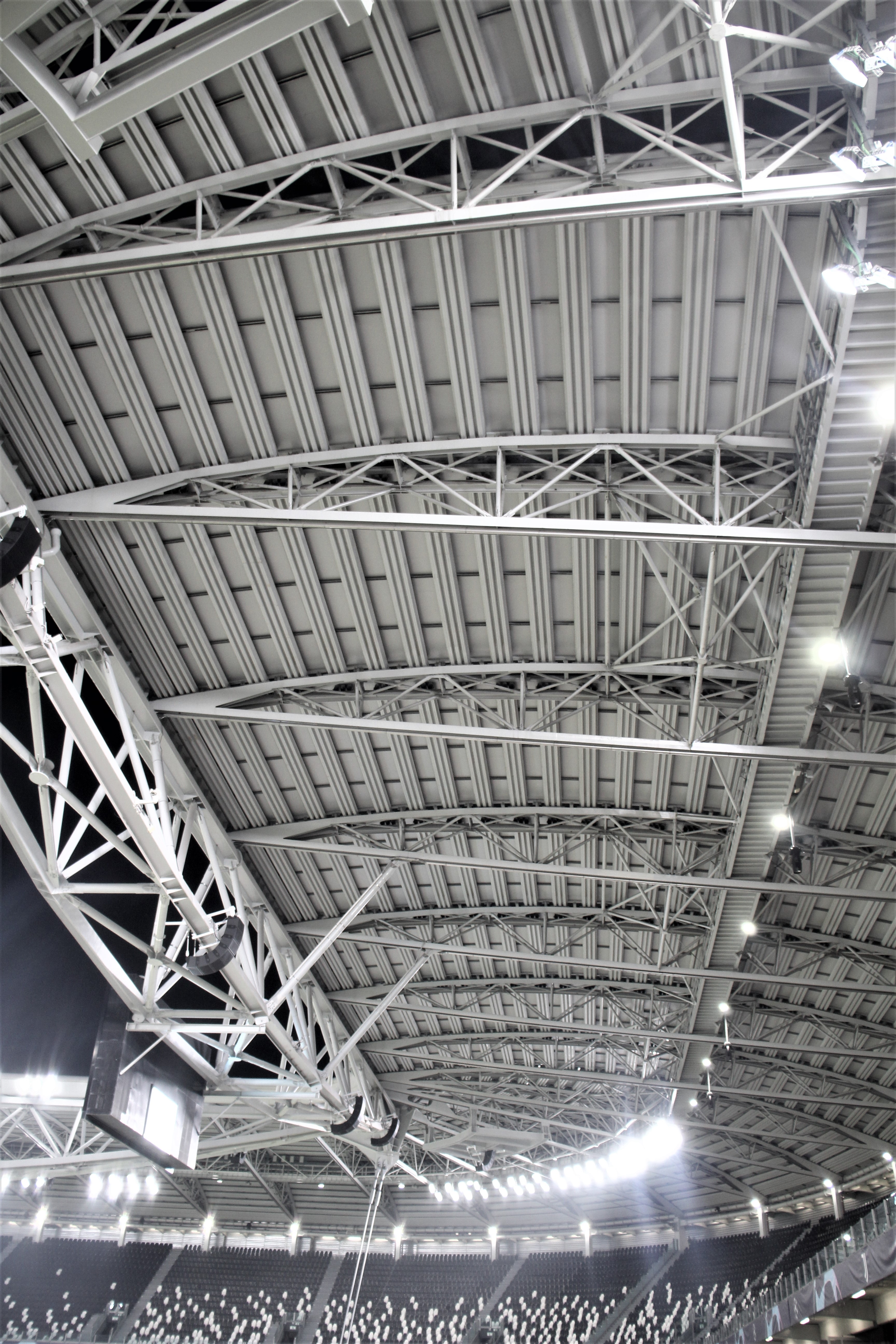
It is a decent stadium. But it was odd to see it at half-strength. I had forgotten that there are odd corner roof supports that rise up and cause an irritating intrusion to an otherwise fine view of the pitch. The stands rise steeply. There are more executive areas on the far side, the East Stand, than on the adjacent West Stand. Down below us, the goal frame where – approximately – Stuart Pearce and Chris Waddle saddened us in 1990 and where Antonio Conte scored in 1999 stood tantalisingly close.

The colour scheme is, of course, black and white, and there are three yellow stars – denoting Juventus’ 36 title wins – picked out in the seats of the southern Curva Scirea.

The trouble I have with the new pad is that it is still jettisoned out on the northern reaches of the city away from – in my mind – the club’s historical roots to the south of the city. I first fell in love with that amazing team of the ‘seventies of Zoff, Scirea, Gentile, Tardelli, Bettega, Causio, Cabrini et al…then Boniek, Platini, Laudrup, those Ariston shirts, the Stadio Communale, the old lady, the old team, the old club. Juventus at the Allianz Stadium – all flash, all corporate boxes, all show – just seems all rather false.

Modern football, eh?

My visits to the stadia of Turin was now updated.

Stadio Communale : 4 games, 1 visit inside on a non-match-day and 1 visit outside on a non-match day.

Stadio Delle Alpi : 2 games.

Juventus Stadium : 1 game.

Allianz Stadium : 1 game.

Stadio Olimpico : 1 game and 1 visit outside on a non-match day.

Stadio Filadelfia : 1 visit inside on a non-match day ( and at least 1 goal…) and 1 visit outside.

Five stadia, but only three sites. It’s a confusing story, isn’t it?

But there’s more. I helped to arrange a delivery of office chairs to Juventus on Corso Gaetano Scirea a few years ago. And only on the day before I left for Turin, I learned that a company that I use for express vans around Europe takes care of delivering VAR equipment around Europe for UEFA and had just delivered to Juventus.

Small world, eh?

The clock quickly approached the nine o’clock kick-off time. Just as the Juventus anthem was starting to be aired – “La Storia Di Un Grande Amore” – Alan whispered to me.

“Don’t want you singing along.”

I smiled.

“I know the words.”

“I know you do!”

As I changed lenses on my camera, I could not help lip-synching a little. Both teams appeared in blue tracksuit tops. The Champions League anthem played. I was surprised to see a few folk wearing Chelsea replica shirts in the home area to my left, beyond the plexi-glass. They were soon moved along, or out, I know not which.

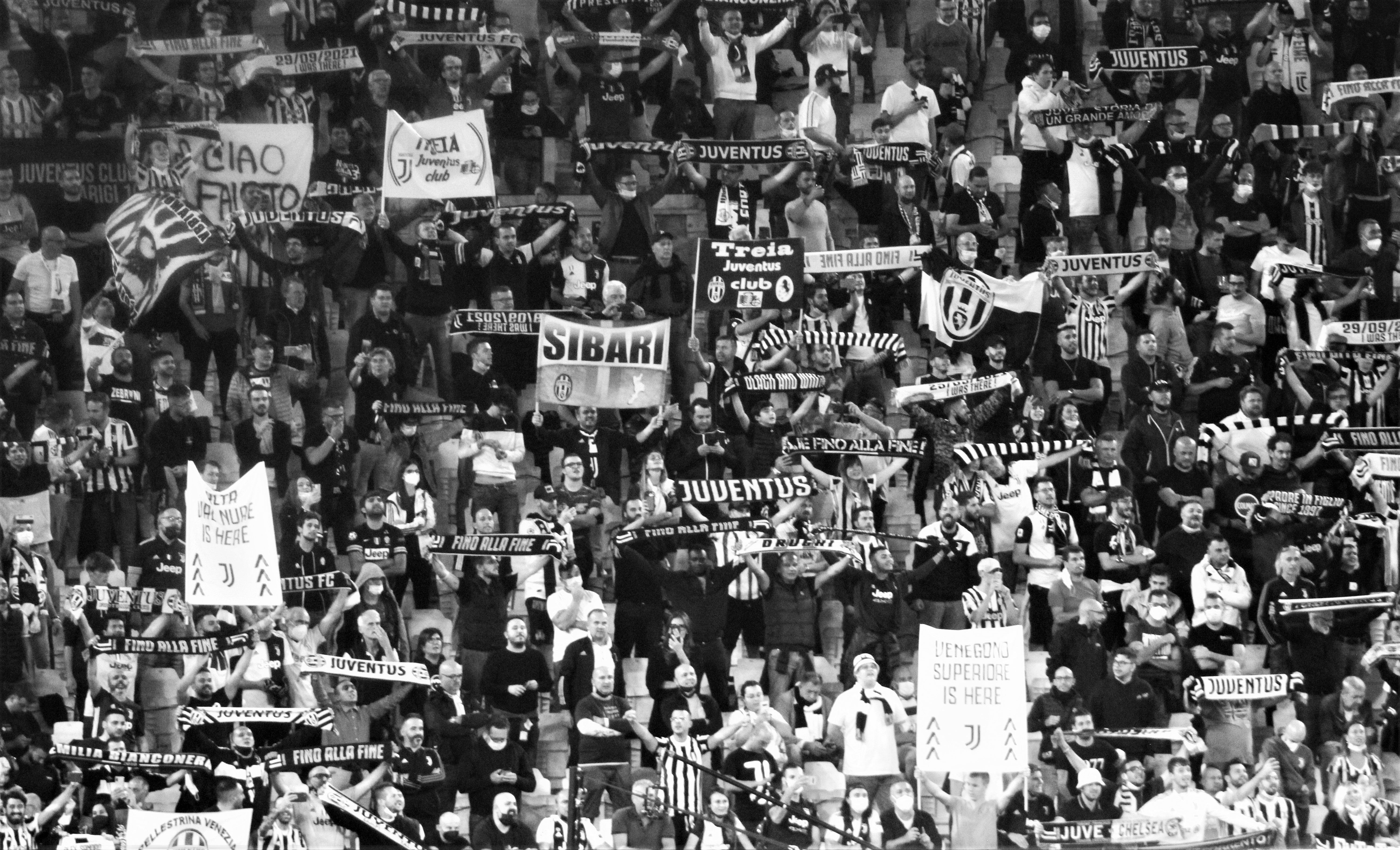
As the game began, I could hardly believe the amount of Juventus fans wearing replica shirts. There has certainly been a sea change in Italian terrace fashion in the years that I have been attending games in Turin. Just as in England in the late ‘eighties and early ‘nineties, hardly anyone bothered with team shirts. In Italy, more than in the UK, it was all about the scarves in those days. Trends change, and there are more replica shirts on offer than ever before these days, yet a huge section of match-going regulars in the UK refuse to be drawn in. For the English connoisseur of football fashion, many look upon the Italians – “Paninaro, oh, oh, oh” – as excellent reference points in the never-ending chase for style and substance. Yet here we all were, a few of us decked out in our finery – Moncler, Boss and Armani made up my Holy Trinity on this warm night in Turin – yet the locals were going 180 degrees in the opposite direction and opted for replica shirts with players’ names.

Et tu Brute? Vaffanculo.

The Chelsea team?

We had heard that King Kante had succumbed to the dreaded COVID, while Reece James was injured. The manager chose an eleven that we hoped would fare better than in the miserable capitulation to Manchester City a few days previously.

Mendy.

Christensen – Silva – Rudiger

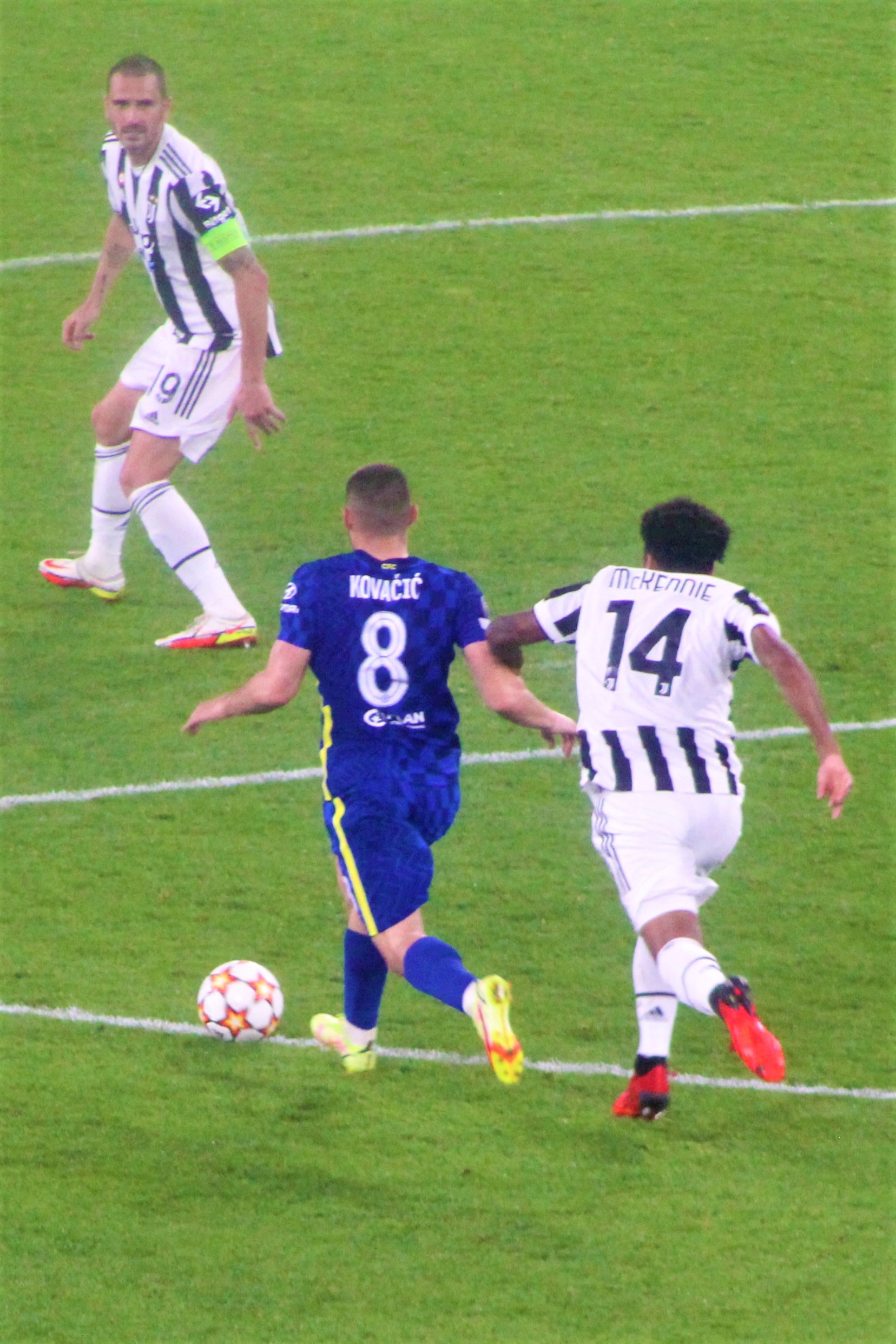
Azpilicueta – Jorginho – Kovacic – Alonso

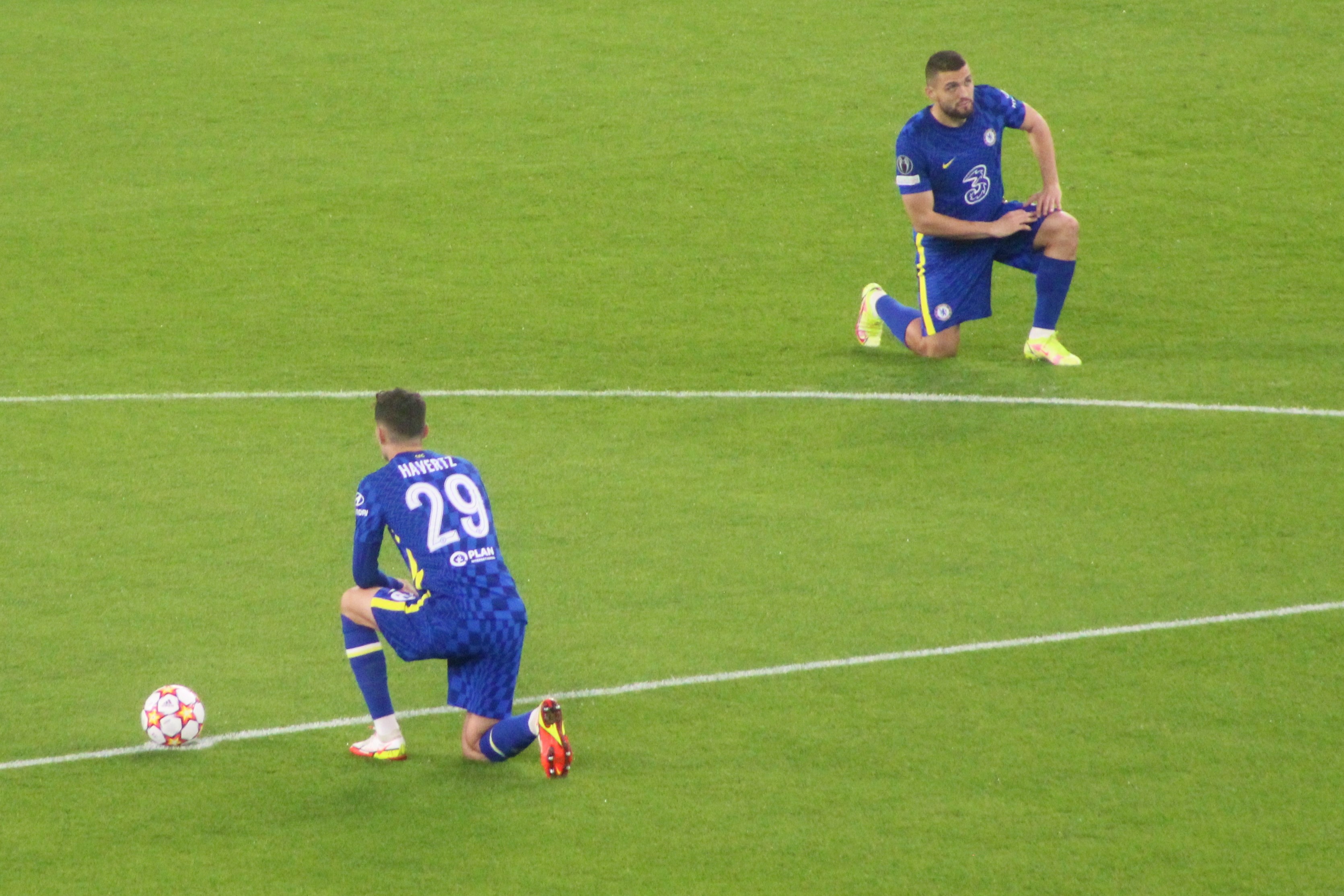
Ziyech – Havertz

Lukaku

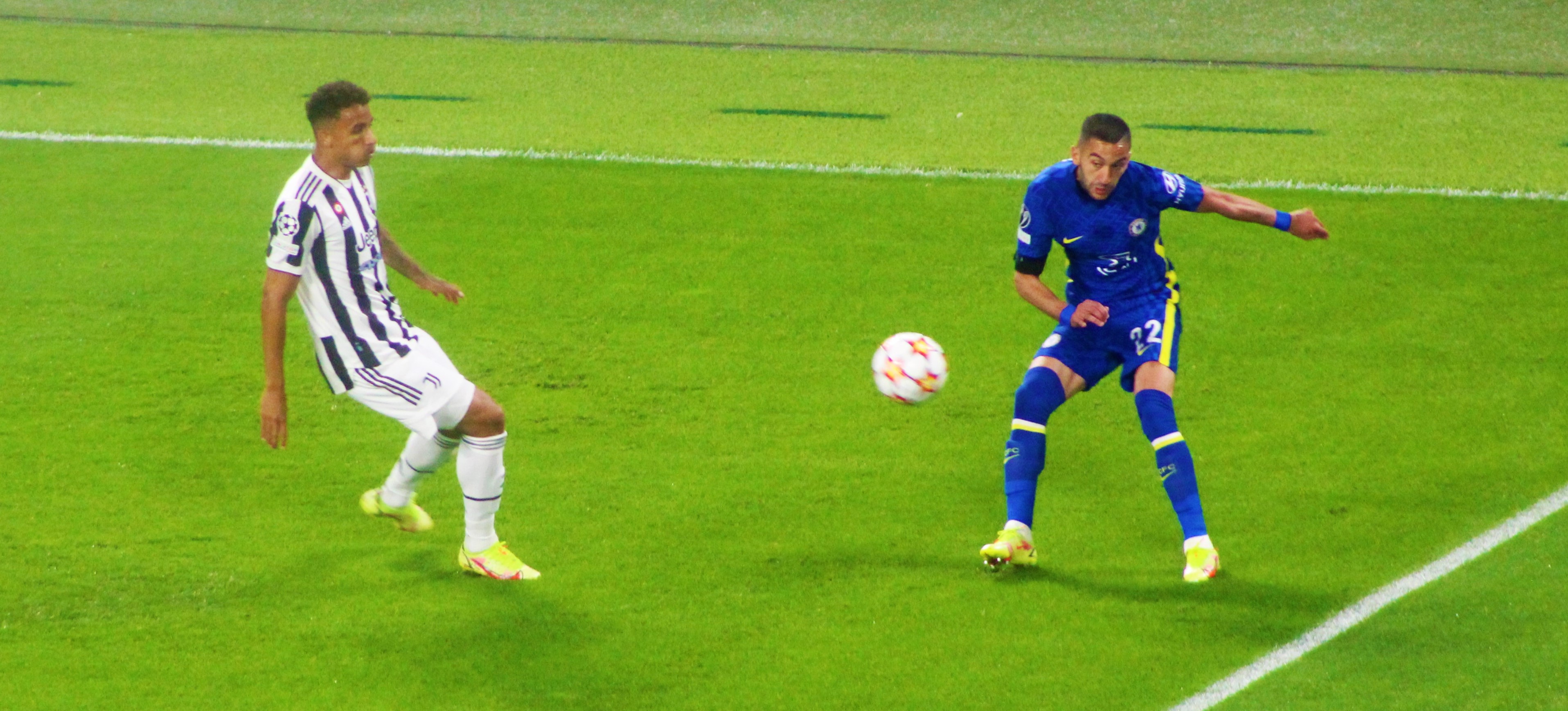
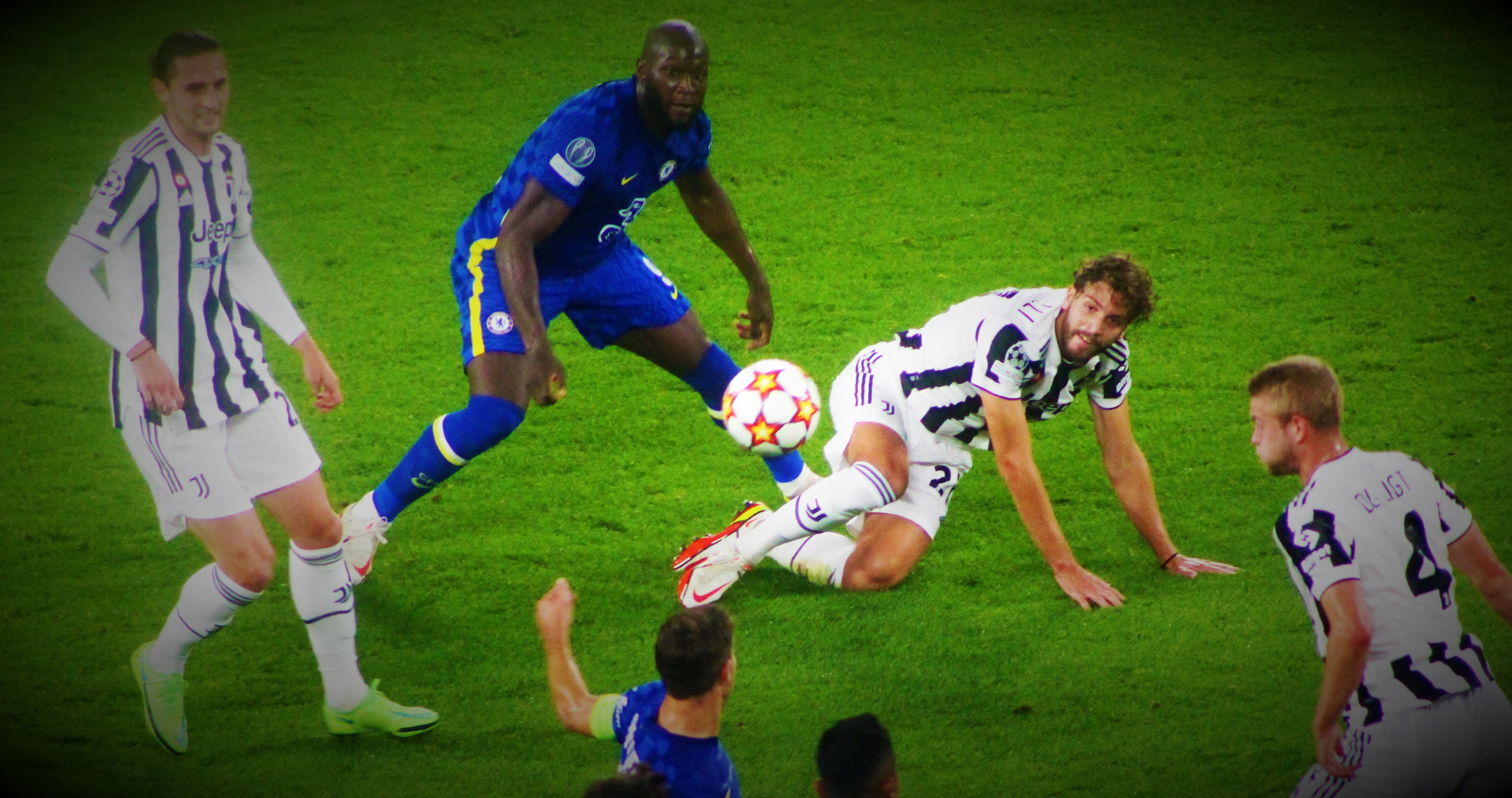
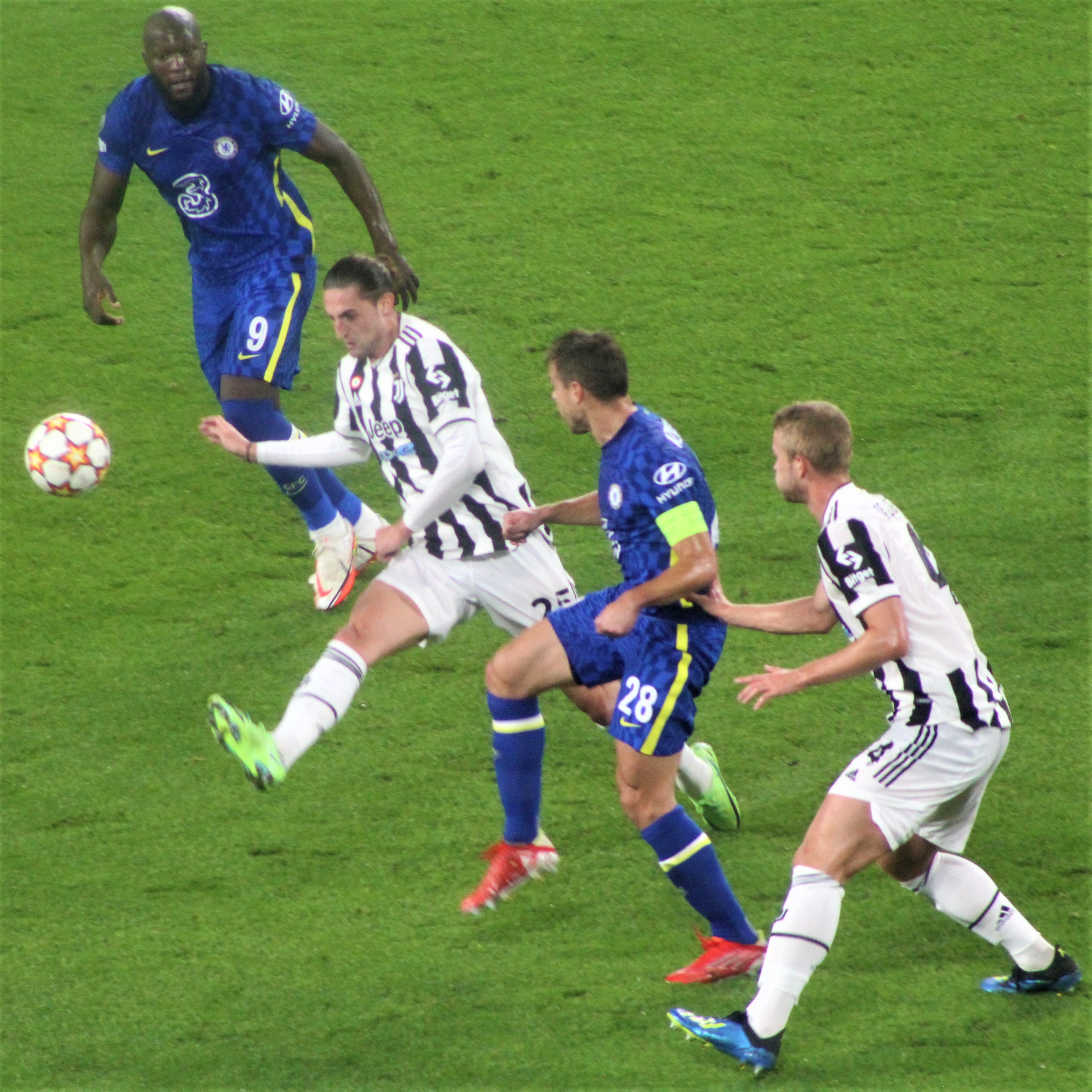
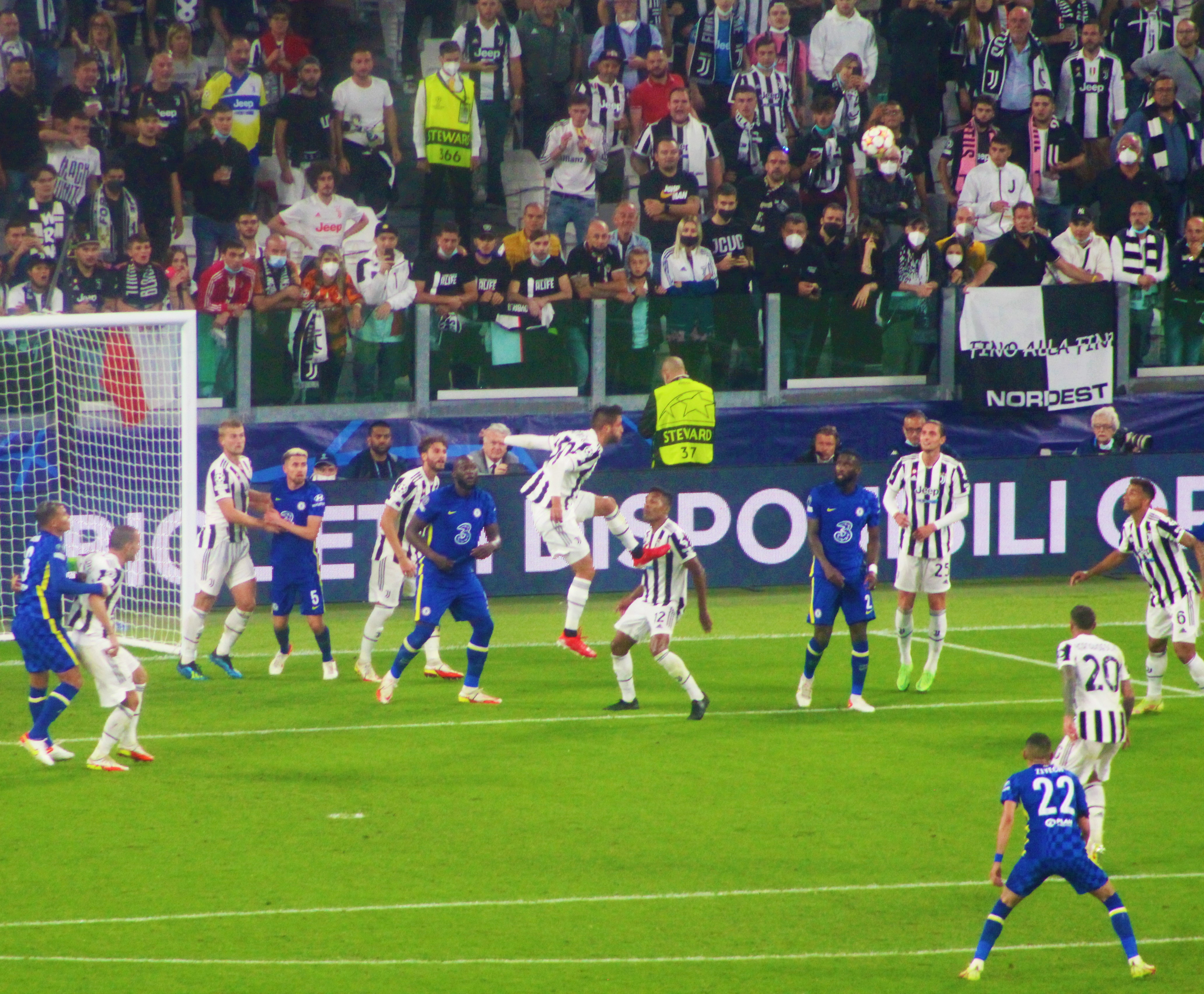
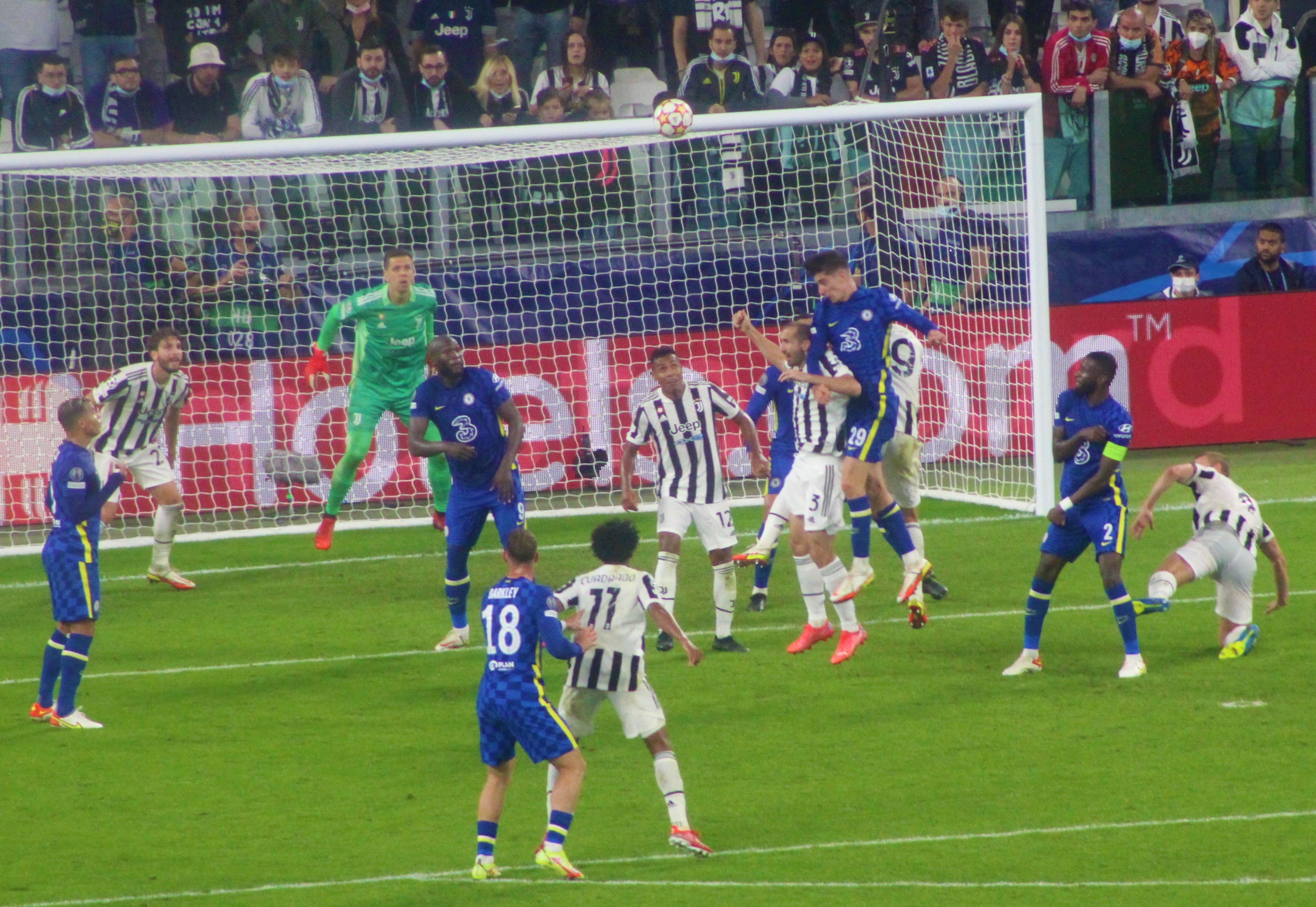
The match began and we started decently enough. There was a stab at goal from inside the box by Roemelu Lukaku from a corner by Marcos Alonso but this did not cause the former Arsenal ‘keeper Wojciech Szcezsaczsaeisniey any anxiety. Soon into the game, the Chelsea loyalists in the tiny quadrant decided to go Italian and honour some of our former Italian greats.

“One Di Matteo, there’s only one di Matteo.”

“Gianfranco Zola, la, la, la, la, la, la.”

“Vialli! Vialli! Vialli! Vialli!”

There wasn’t even a flicker from the black and white fans to my left.

Then a memory from a night in Milan.

“Oh Dennis Wise scored a fackin’ great goal in the San Siro with ten minutes to go.”

We lost possession via Kovacic and Chiesa broke away in the inside right channel, but his speculative shot from an angle was well wide of the far post.

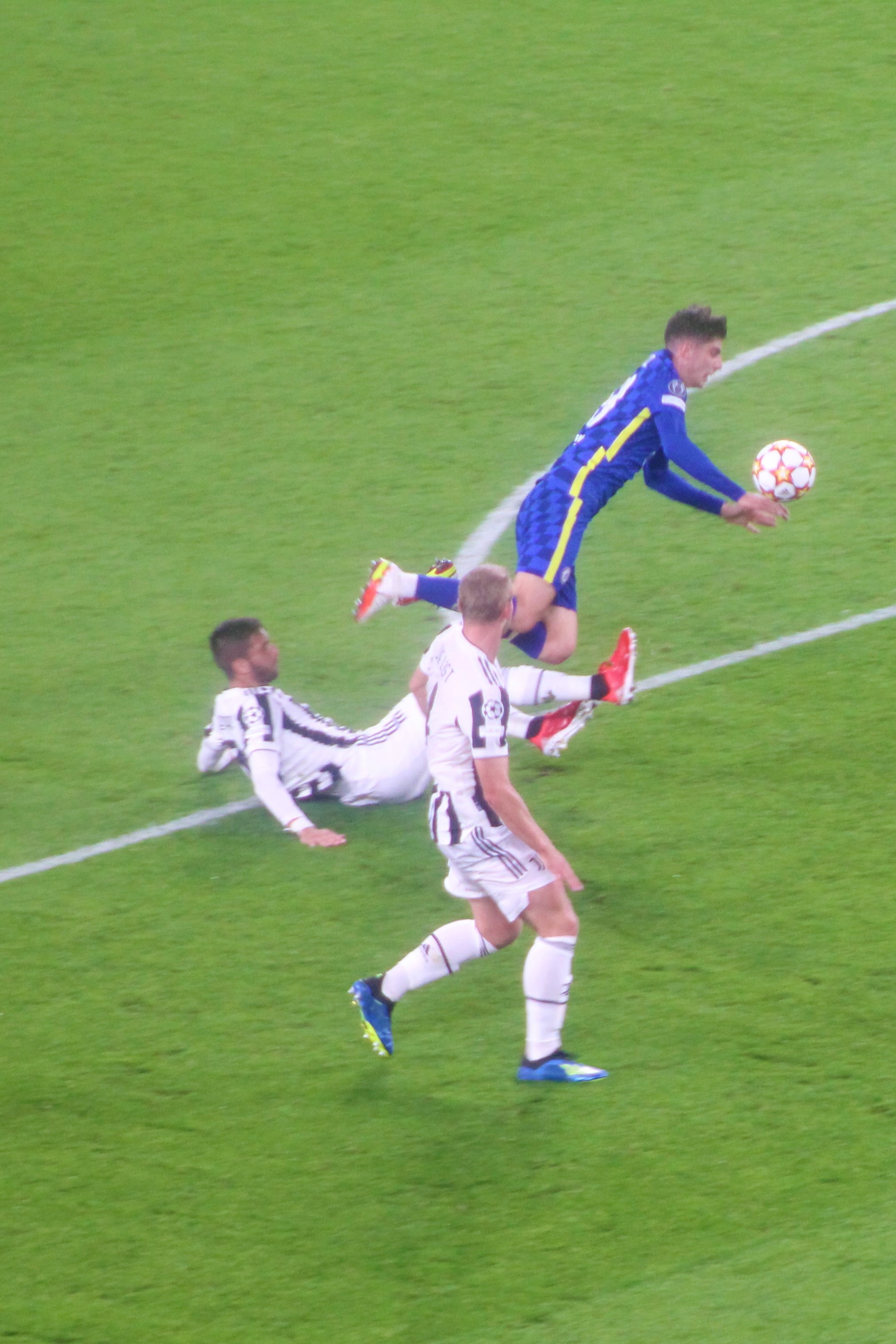
Chelsea enjoyed much of the possession in that first-half. Whereas City had been up and at us, pressurising us in our defensive third, Juve were going old school Italian, defending very deep, with the “low block” of modern parlance. And we found it so hard to break them down. It became a pretty boring game, with few moments of skill and enterprise.

I spoke to Alan.

“There’s not much space in their penalty box. In fact, there’s even less space when Lukaku is in it.”

Despite Romelu’s weight loss from his days at Manchester United, he still resembles the QE2 with a turning circle to match.

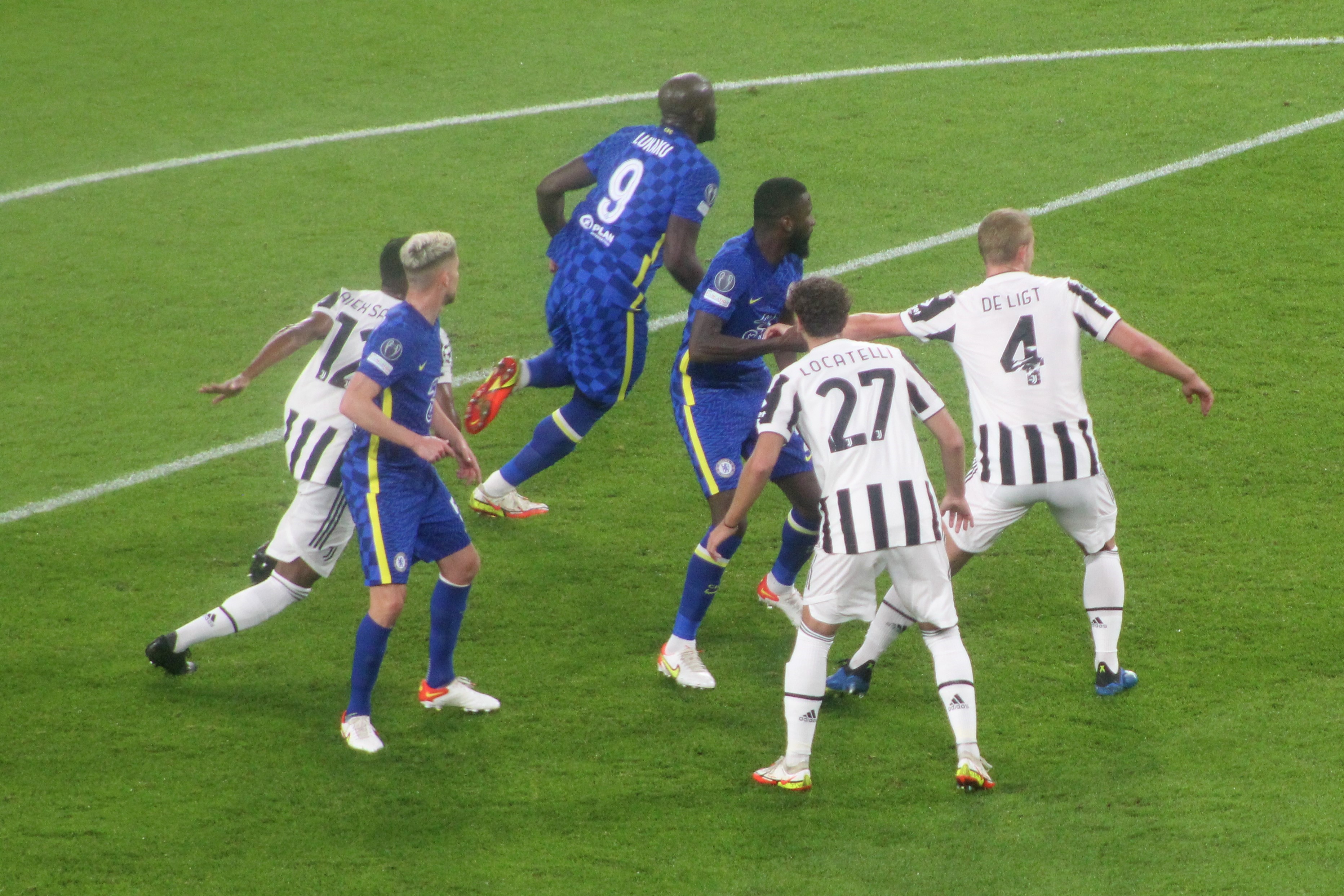
It just wasn’t going for us. Very rarely did we get behind the Juventus back line. Balls were played at Lukaku, rather than to him, and the ball bounced away from him on so many times. It seemed that he often had three defenders on him.
He was full of De Ligt.

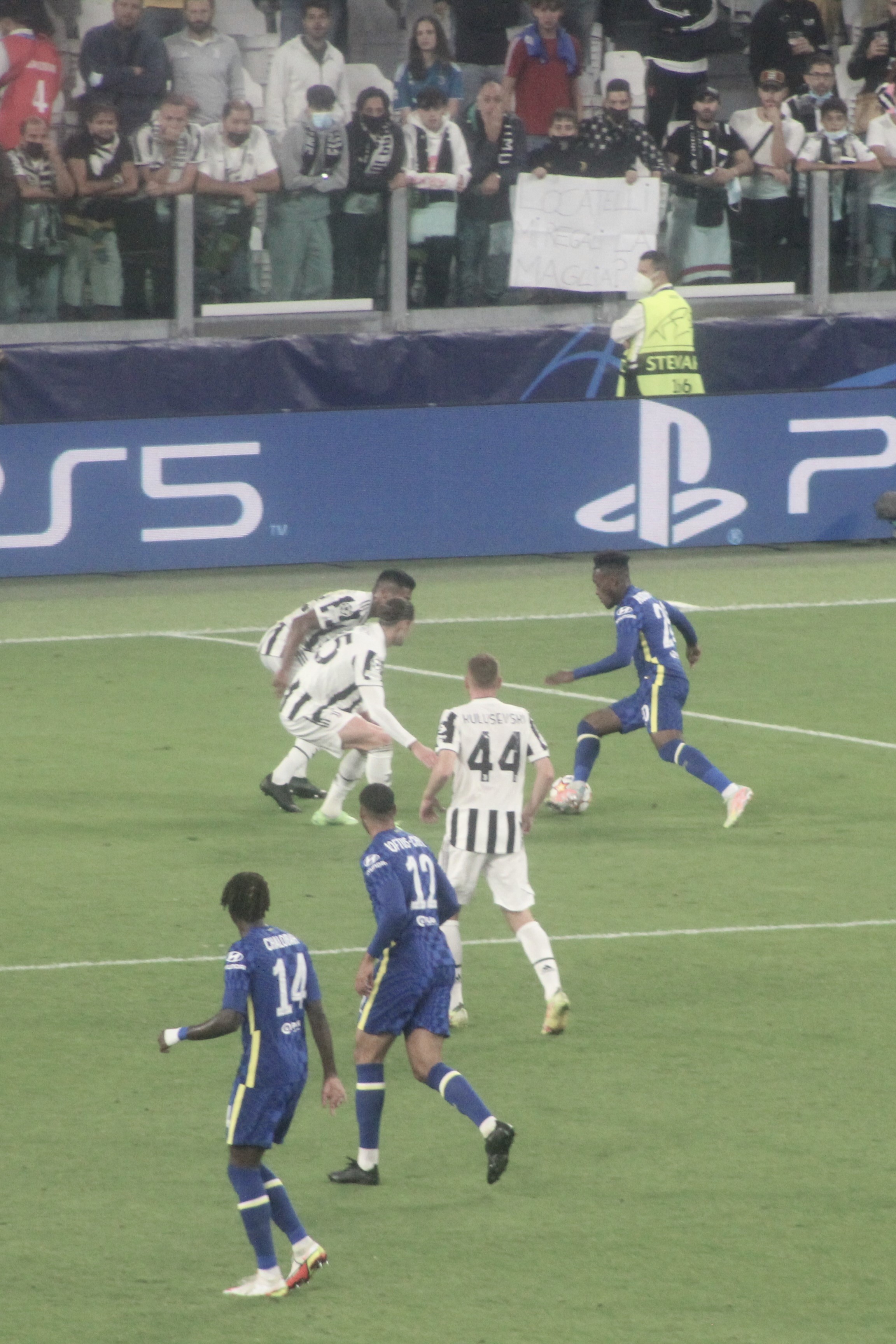
At the other end, Federico Chiesa looked to be Juventus’ main threat, and a shot flashed wide. He followed this up with another effort that did not trouble Mendy one iota. A rising shot from Rabiot was well over. The former Chelsea player Juan Quadrado rarely got involved. Juventus were easily leading in terms of efforts on goal.

At our end, there were hardly quarter chances let alone half chances.

“CAM ON CHOWLSEA. CAM ON CHOWLSEA. CAM ON CHOWLSEA. CAM ON CHOWLSEA.”

The players couldn’t hear us. This was a dull game, and getting poorer by the minute. At half-time, I received a text from Tullio, now living in Moncalieri, a few miles south of Turin, but watching in a Turin pub with friends :
“Boring.”

Tuchel replaced Alonso with Ben Chilwell at the break.

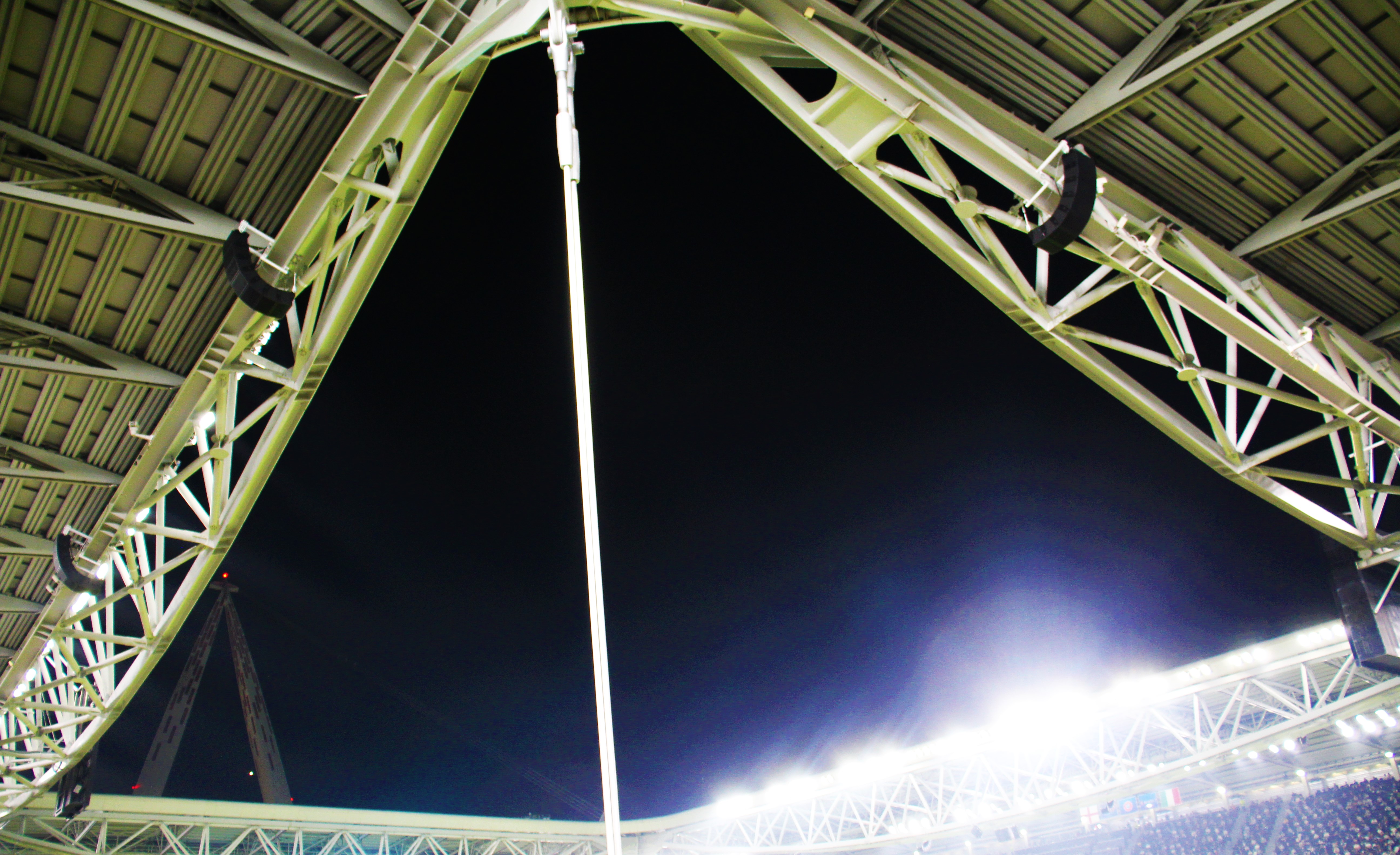
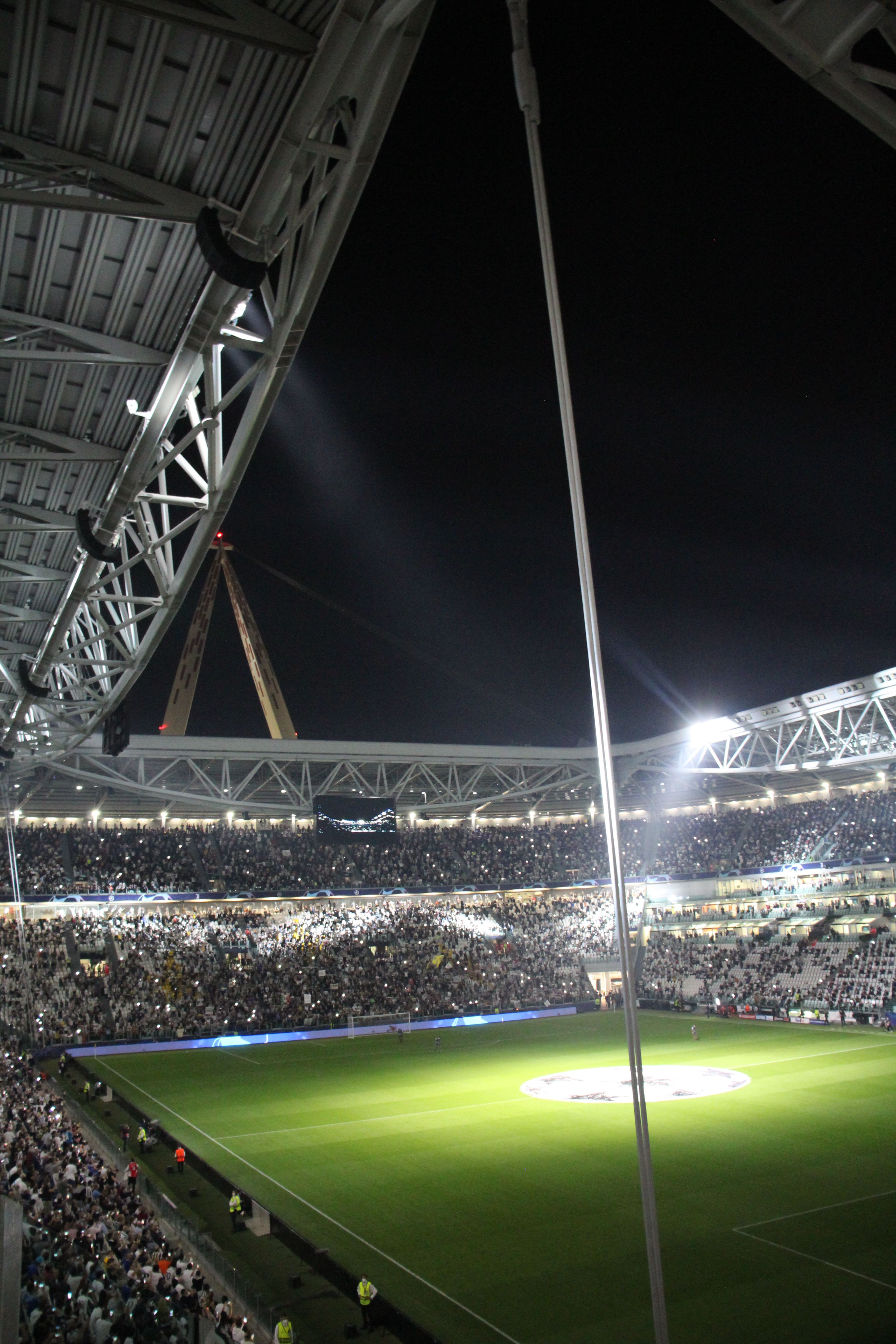
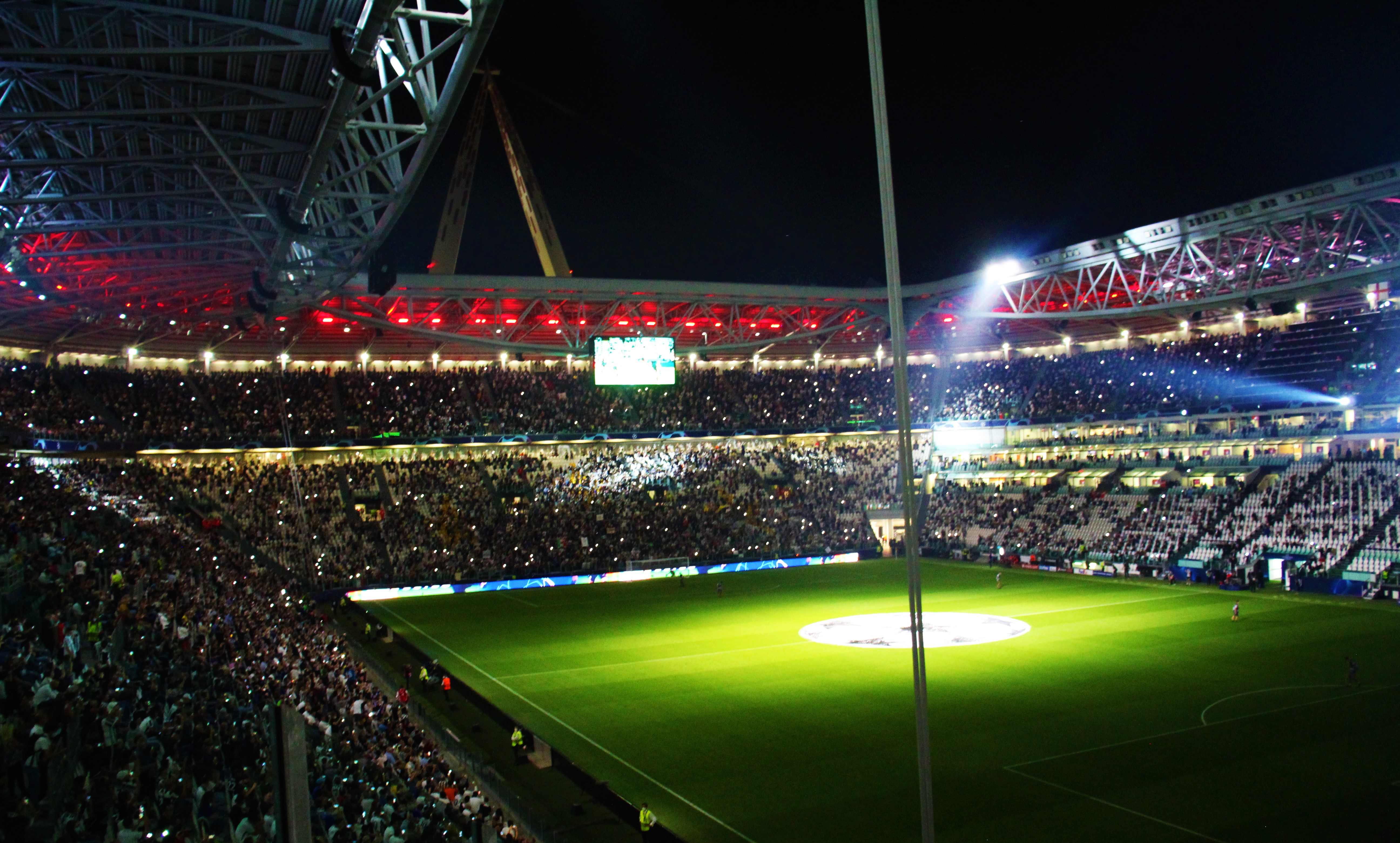
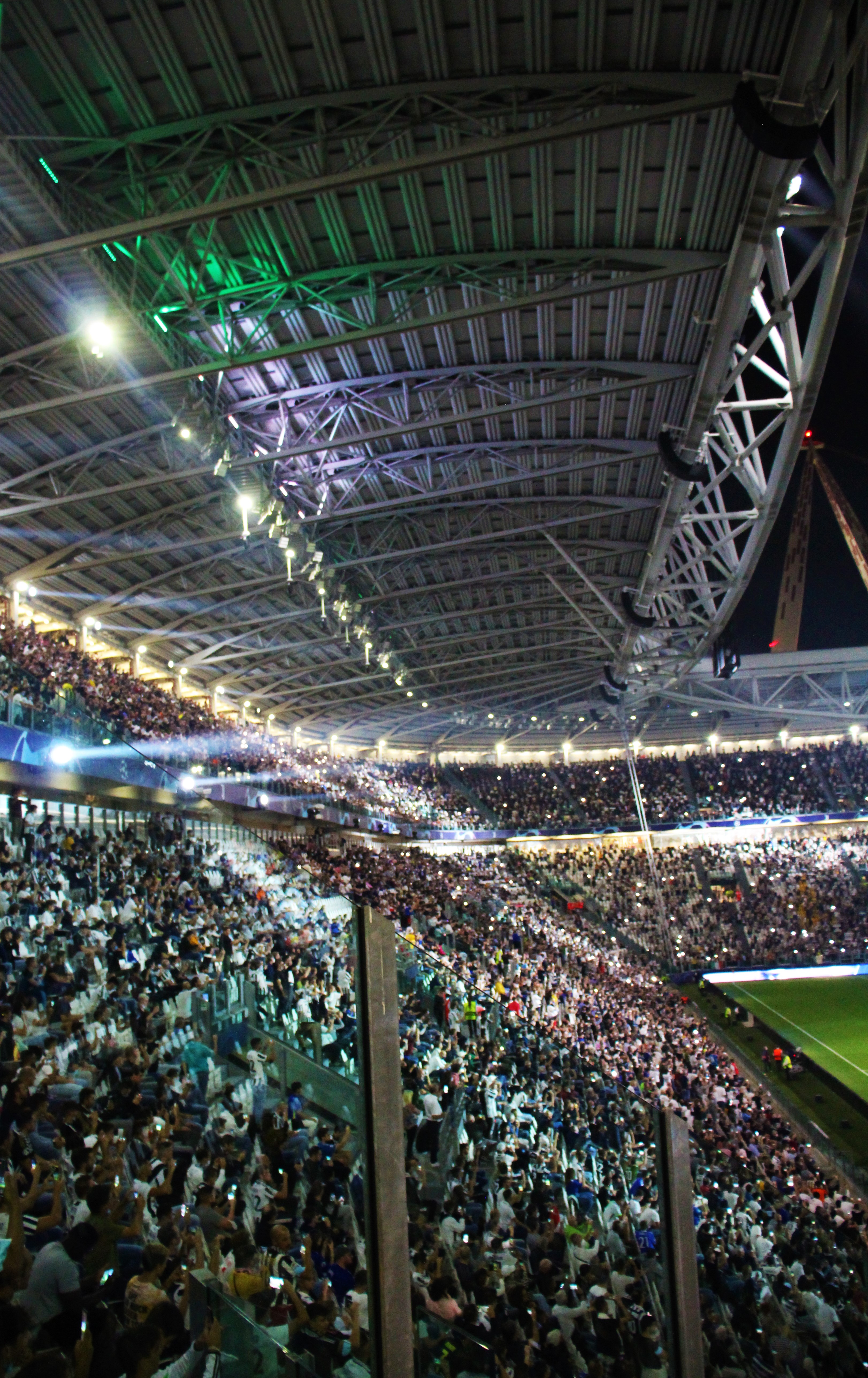
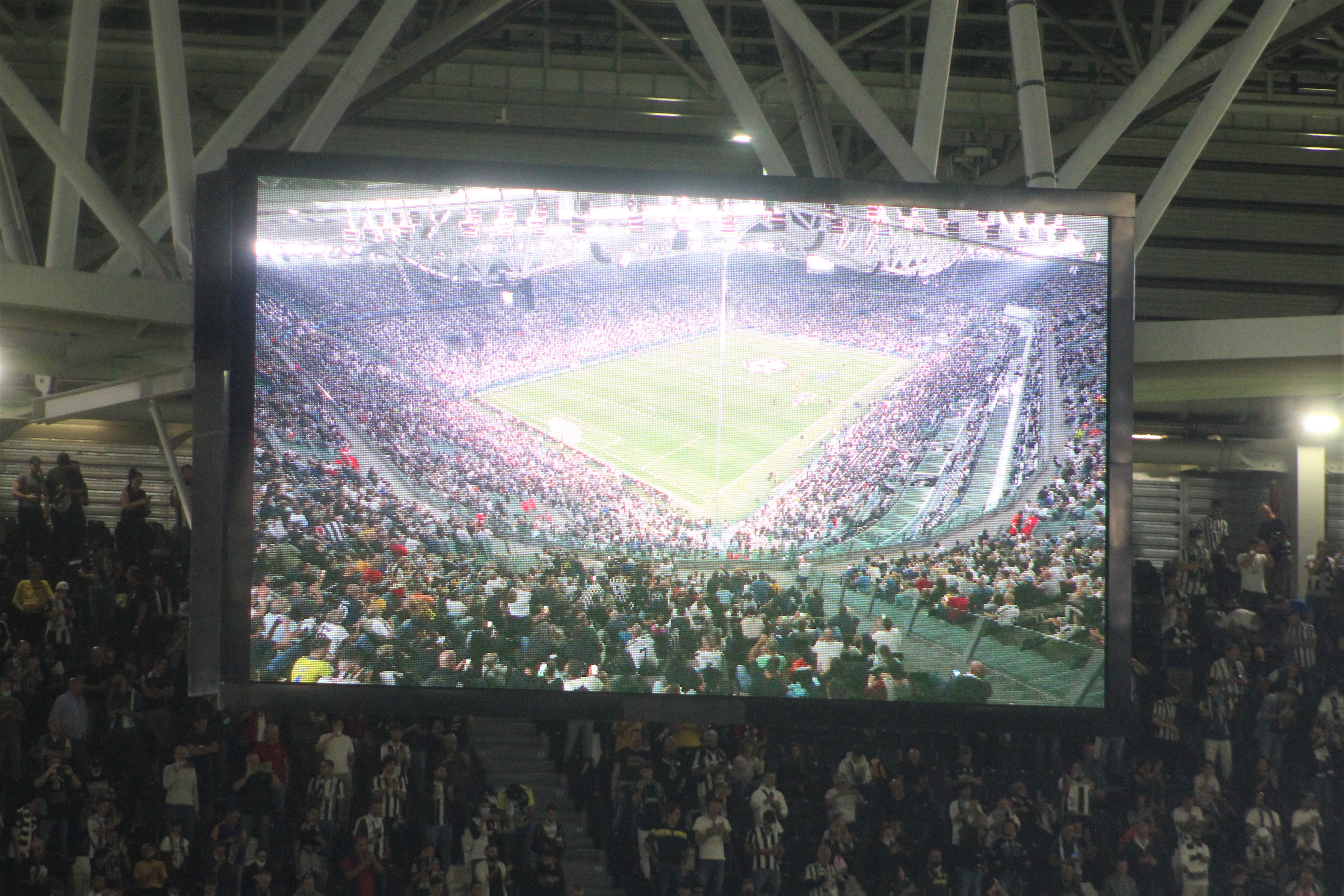
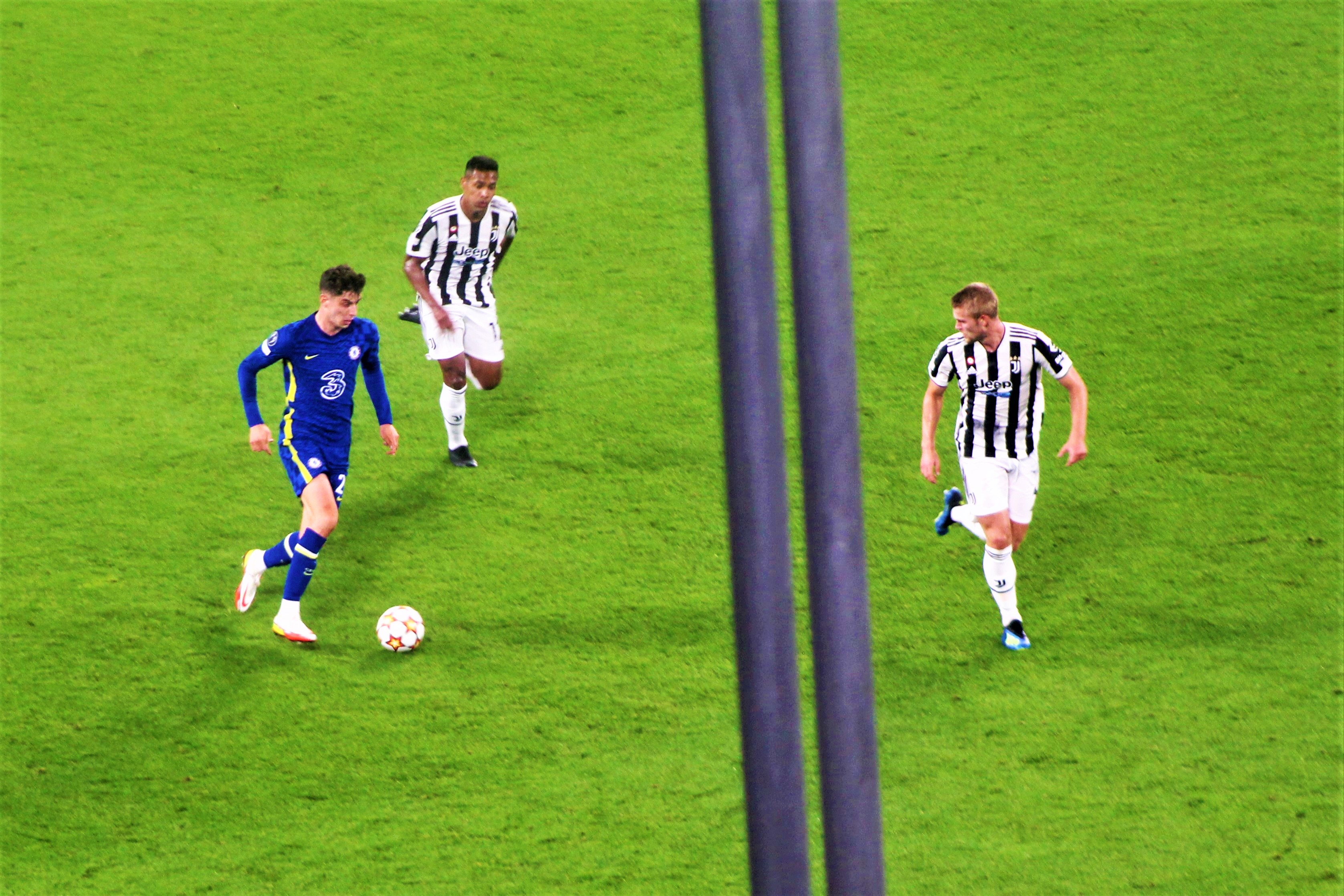
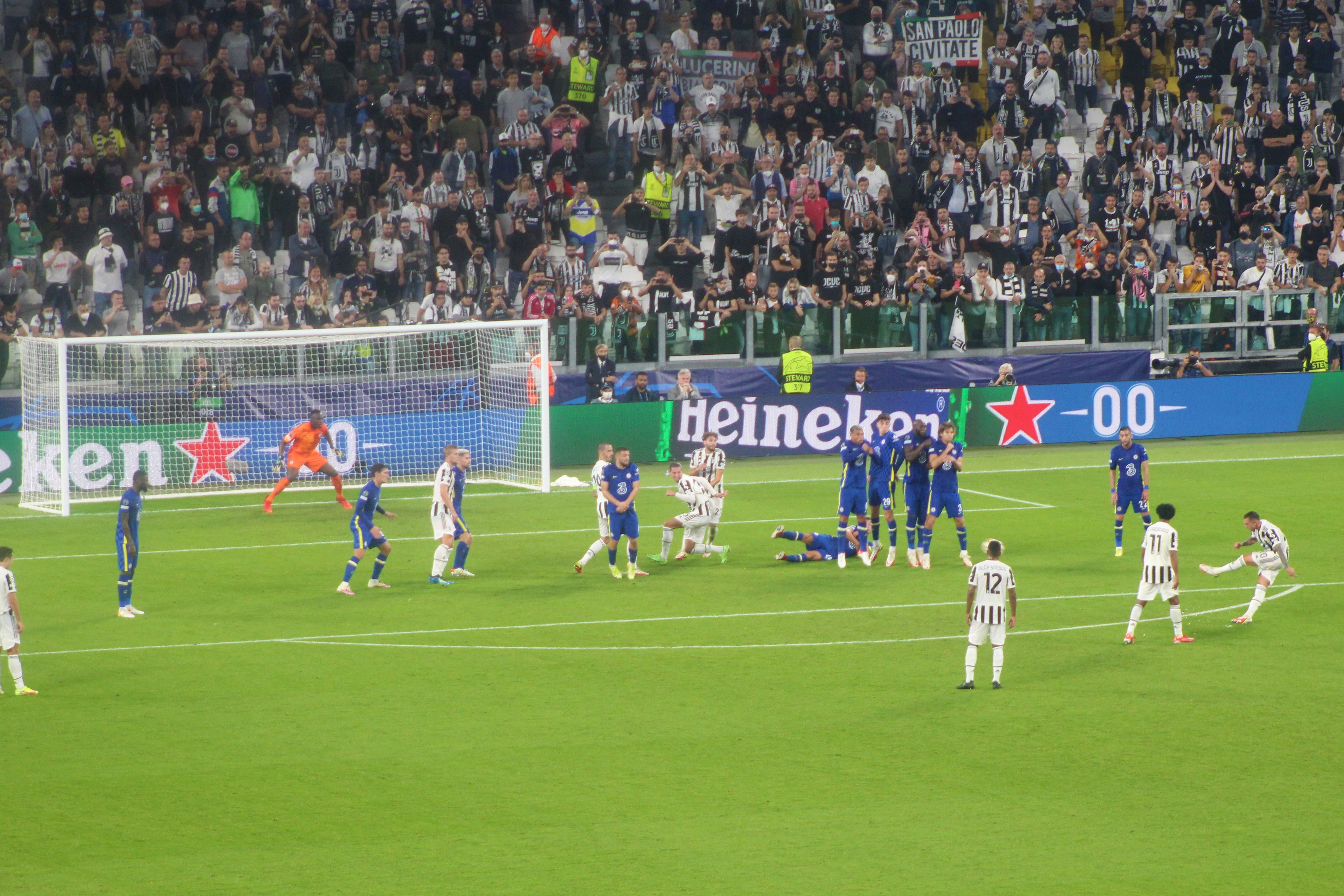
It is my usual modus operandi to mainly use my zoom lens once the action starts, but I often take a few panorama shots with my wide angle lens just at the start of the second-half just to vary things a little. Thus, once the Spanish referee instigated the restart, I lifted my camera and took one and then two shots of the stadium with the game being played out below it. The first photograph was of a Juventus break; the second photograph was of a Juventus goal.

And just like that, crash, bang, wallop, we were losing 1-0.

Fackinell.

The goal was conceded after just eleven seconds of play in the second-half. It was a wicked smash and grab raid by that man Chiesa. The goal shocked and silenced the away fans. In reality, I doubted very much that Juventus, with Bonucci on the pitch and Chiellini waiting in the wings, would let this slip.

We still created little.

On the hour, more substitutions.

Jorginho, Dave and Ziyech off.

Chalobah, Loftus-Cheek and Hudson-Odoi on.

Juventus, mid-way through the half, really should have put the game to bed when a long ball was cushioned by Cuadrado into the path of Bernardeschi, but his heavy touch put the ball wide.

The final substitution with a quarter of an hour to go.

Barkley on for Christensen.

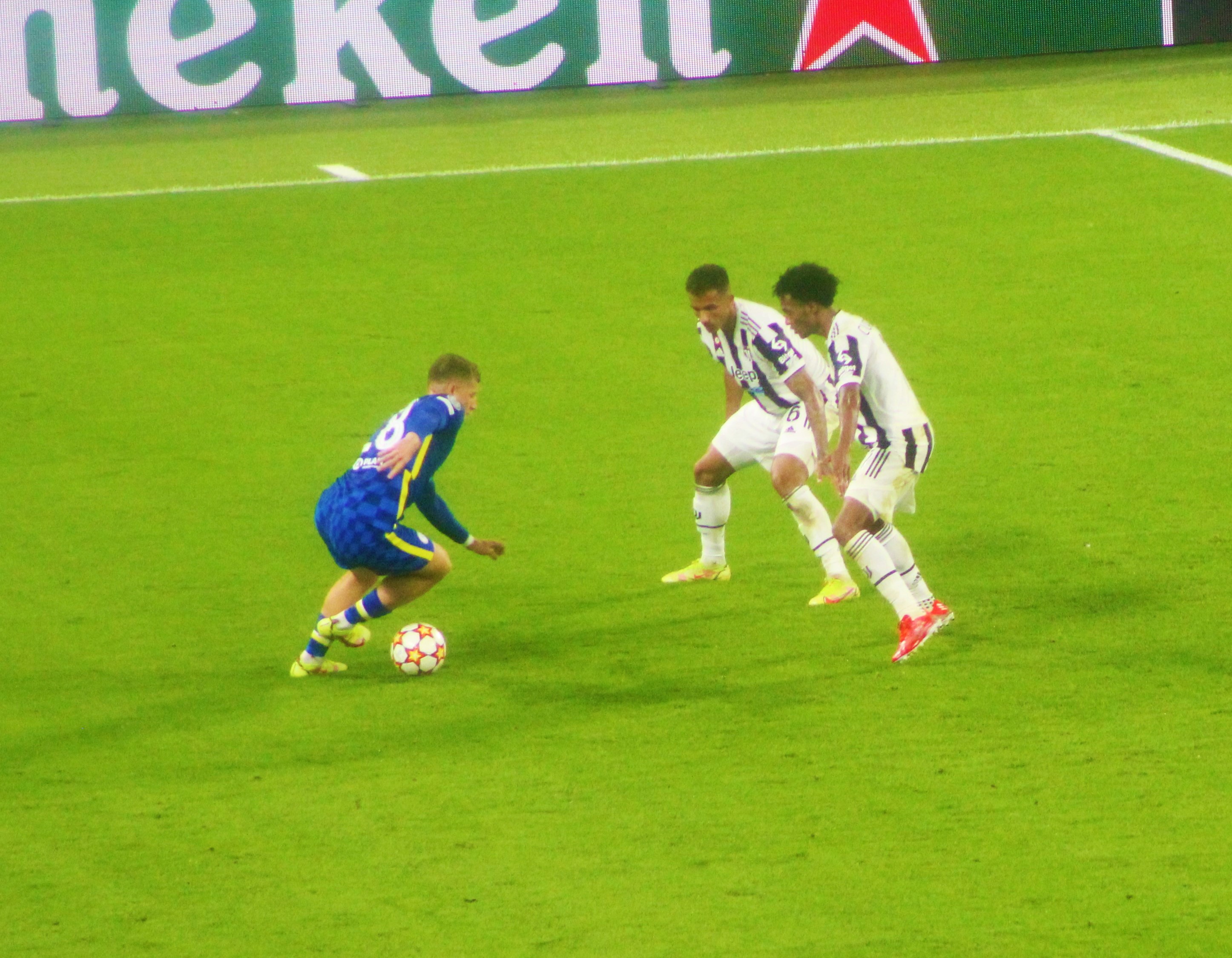
We had all the ball but never ever looked like scoring. I just willed Callum to get his head down and get past his man but he rarely did. There was a lame header from Lukaku, and after Barkley – showing some spirit and a willingness to take people on – tee’d up Lukaku, the Belgian striker fluffed his chance close in on goal.

“We won’t score, mate.”

Late on, a lazy header from Havertz only bothered the ball boys and press photographers at the Curva Scirea.

It was, again, a rotten night in Continassa.

In the last few minutes, Chelsea supporters in the top tier had decided to throw beer on the Juve fans to my left, but ended up soaking myself and a few fellow supporters.

For fuck sake.

We made our slow, silent way out to the waiting fleet of around seven buses that took us back to the centre of the city. Sirens wailed as we were given a police escort, with blue lights flashing.

Did I imagine it, or did someone spray “Osgood Is Good” on one of the buses?

I chatted with a bloke who I had not seen before. He told me that of his seventeen trips to Europe with Chelsea, he had seen just three wins. I begged him to stay away in future.

It was, after the stresses of getting out to Turin in the first place, such a disappointing game. We all walked en masse back into the pubs and hotels of Turin. I chatted briefly to Neil Barnett as we slouched along Corso Vittorio Emanuele II, and we agreed –

“That was a hard watch.”

A chat with Cal.

“Fancy joining us for a beer at The Shamrock?”

“Nah mate. My hotel is just around the corner. I am off to bed.”

It was approaching 12.30am. I darted into a late night café and devoured a kebab, washed down with two iced-teas. It was my first real meal of the day.

It was time to call it a night.

My trip to Turin stretched into Thursday and Friday. On Thursday, there was a quick “tampone rapido” test at a nearby chemist, and thankfully I was negative. I met up with my work colleague Lorenzo and his wife Marina. Although they are both natives of Milan, this was their first ever visit to Turin, despite being in their late ‘fifties. I remarked to Lorenzo, an Inter fan, that it’s “because of Juventus isn’t it?” and he was forced to agree. That Inter / Juve “derby d’Italia” animosity runs deep.
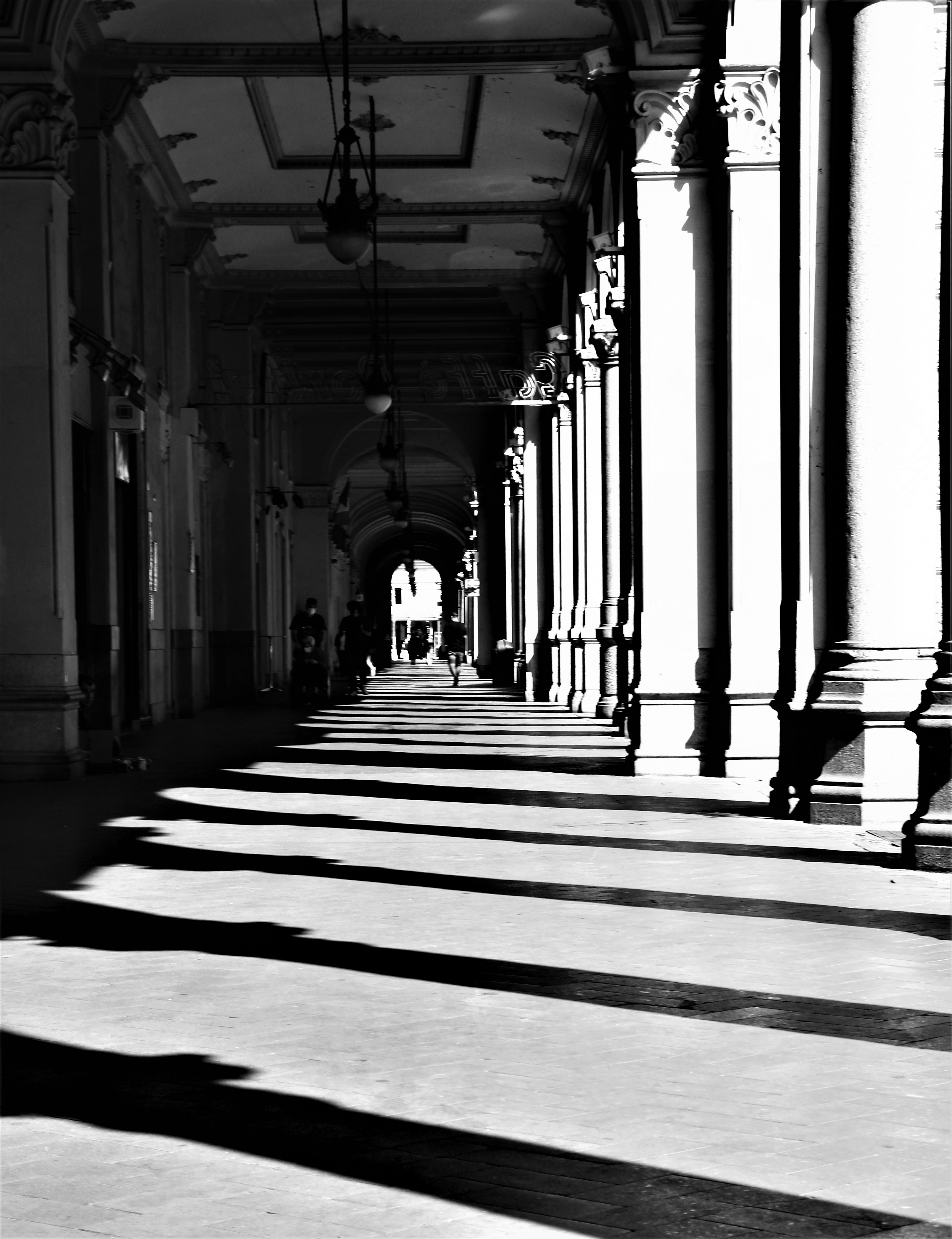
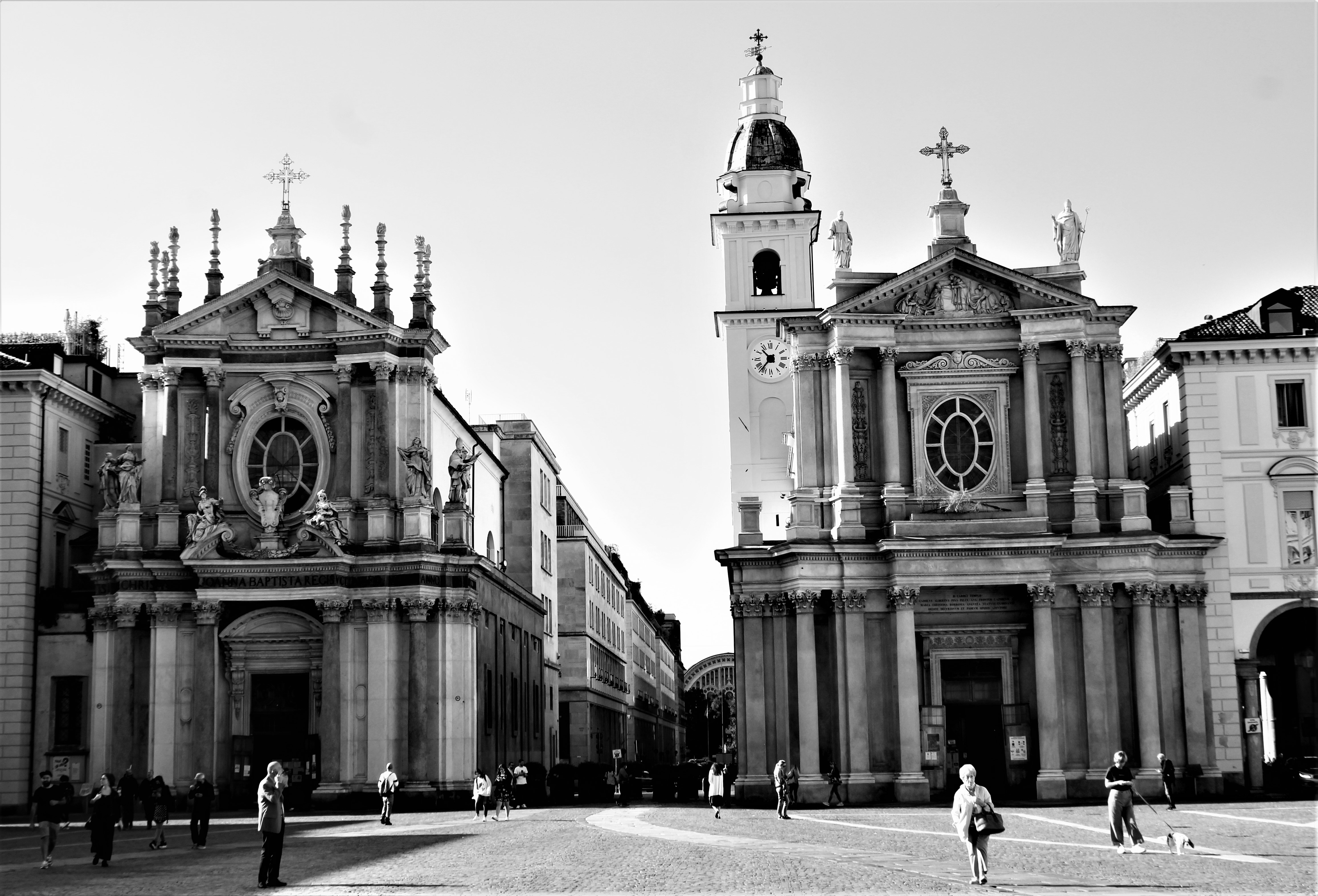
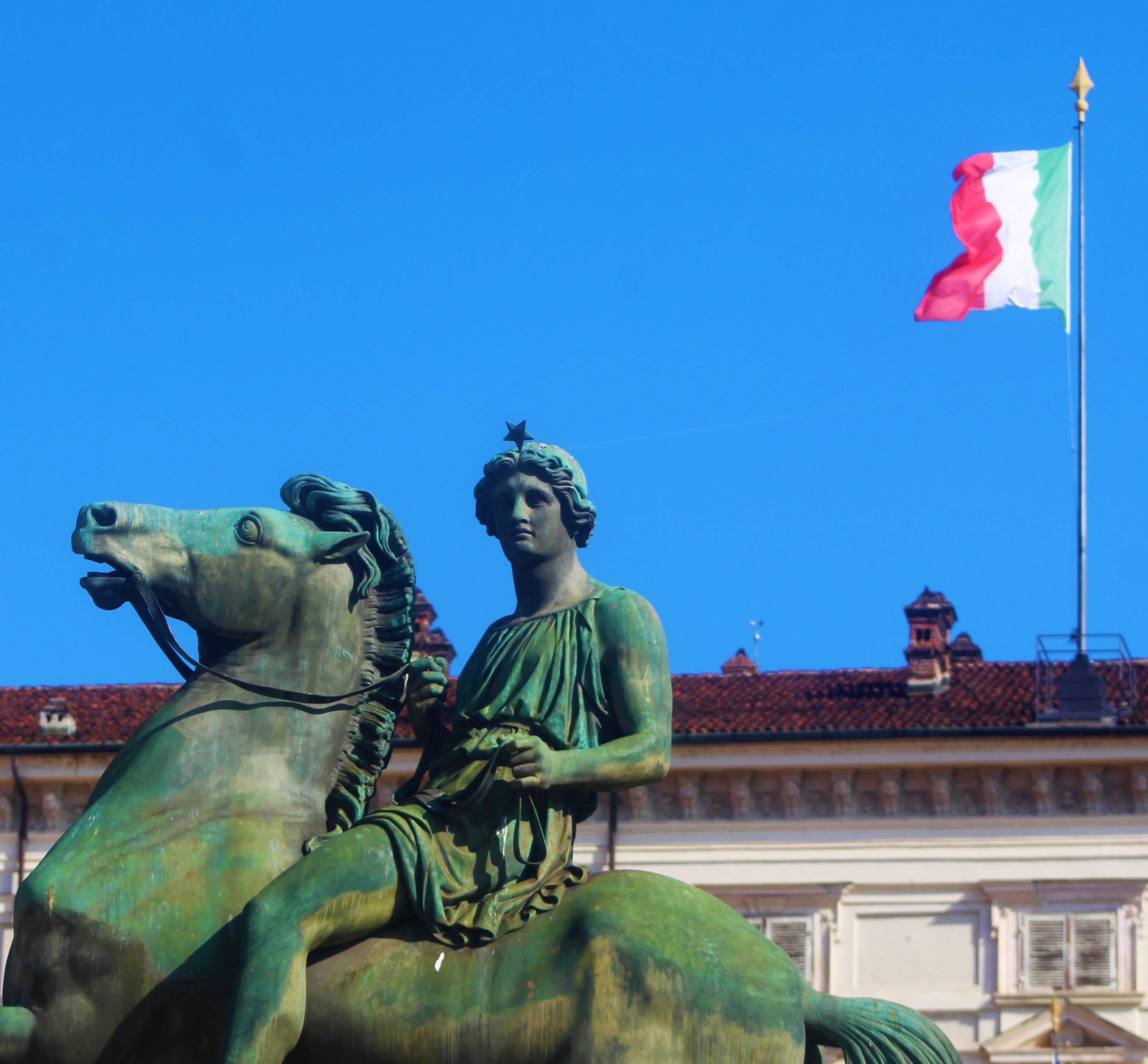
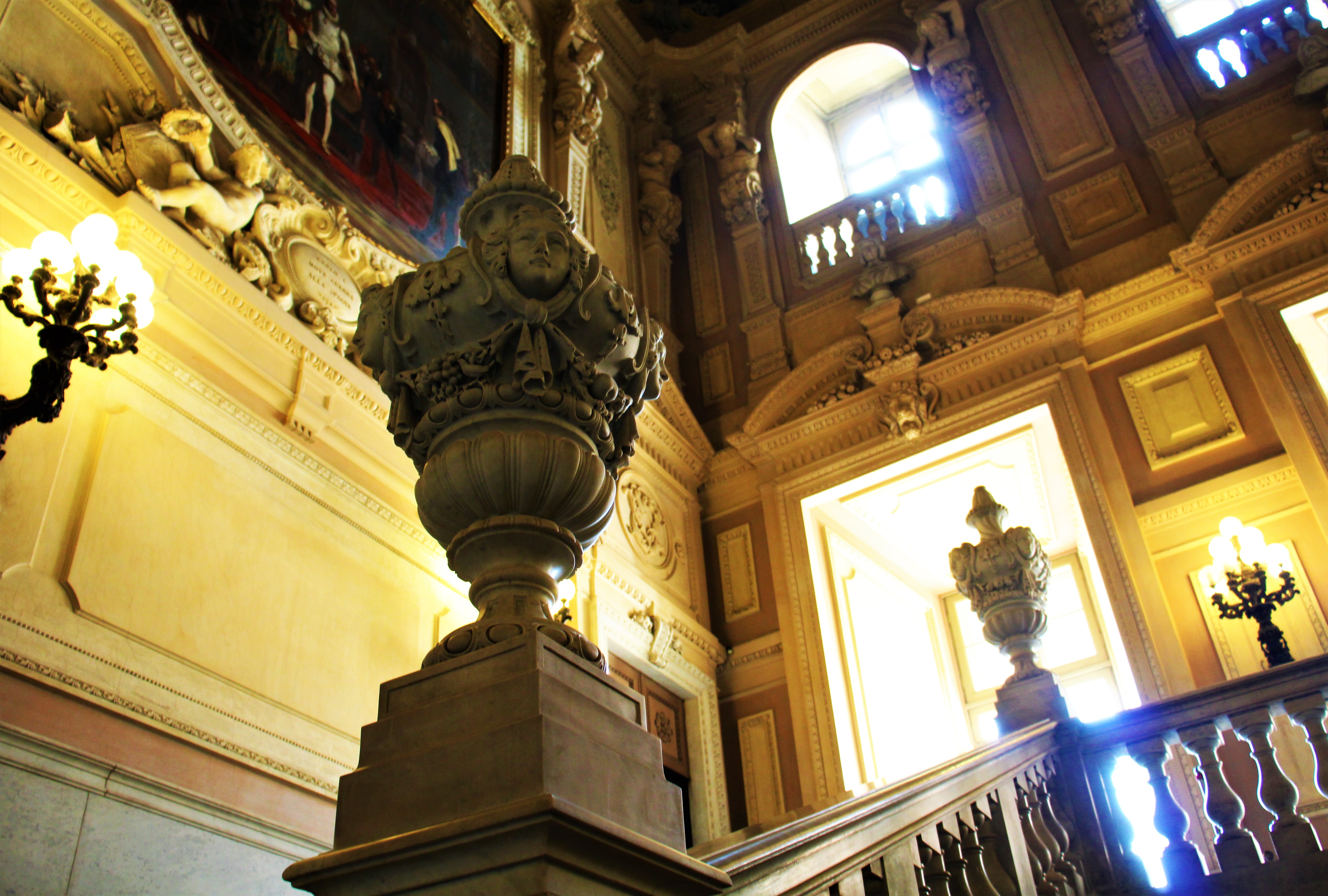
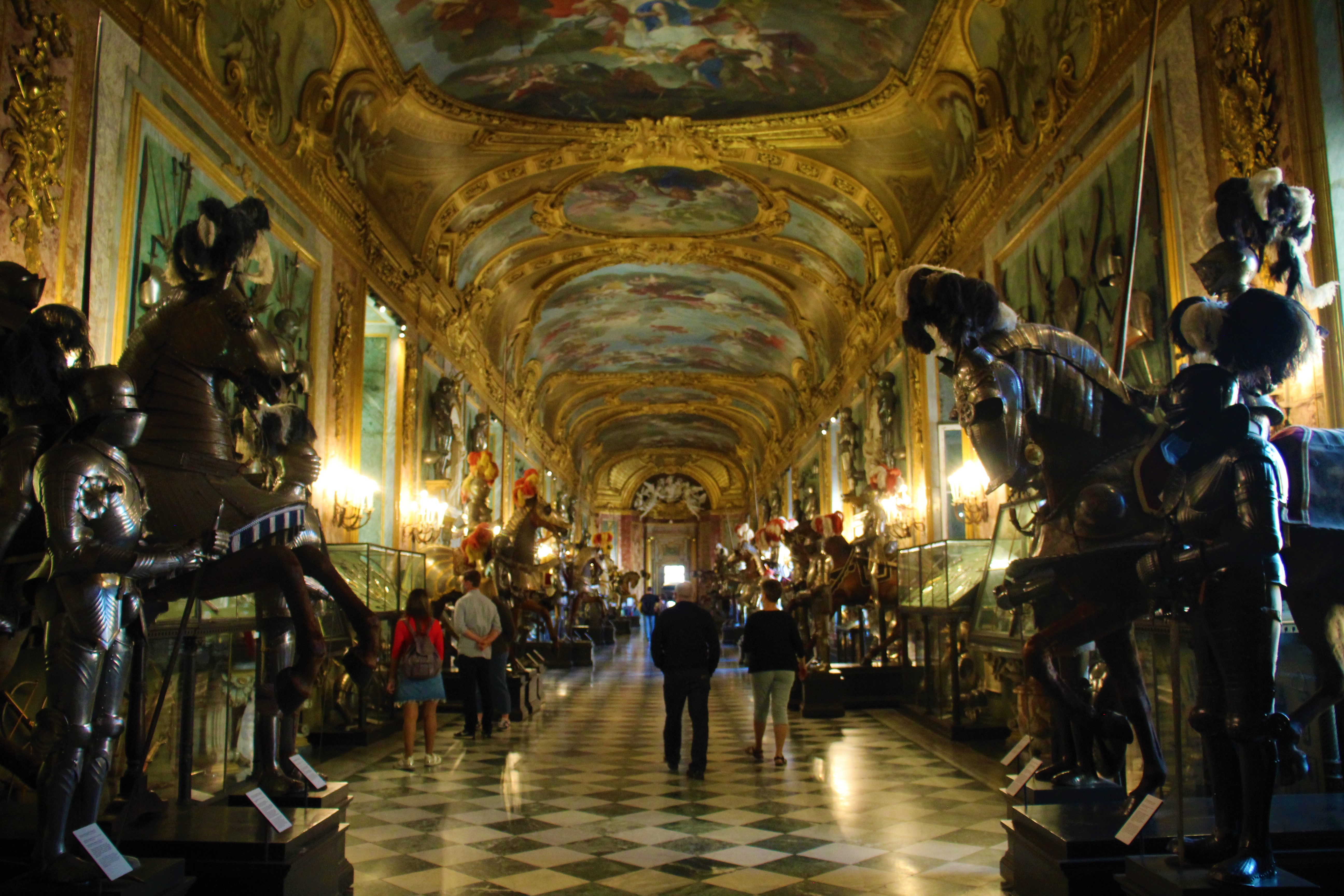
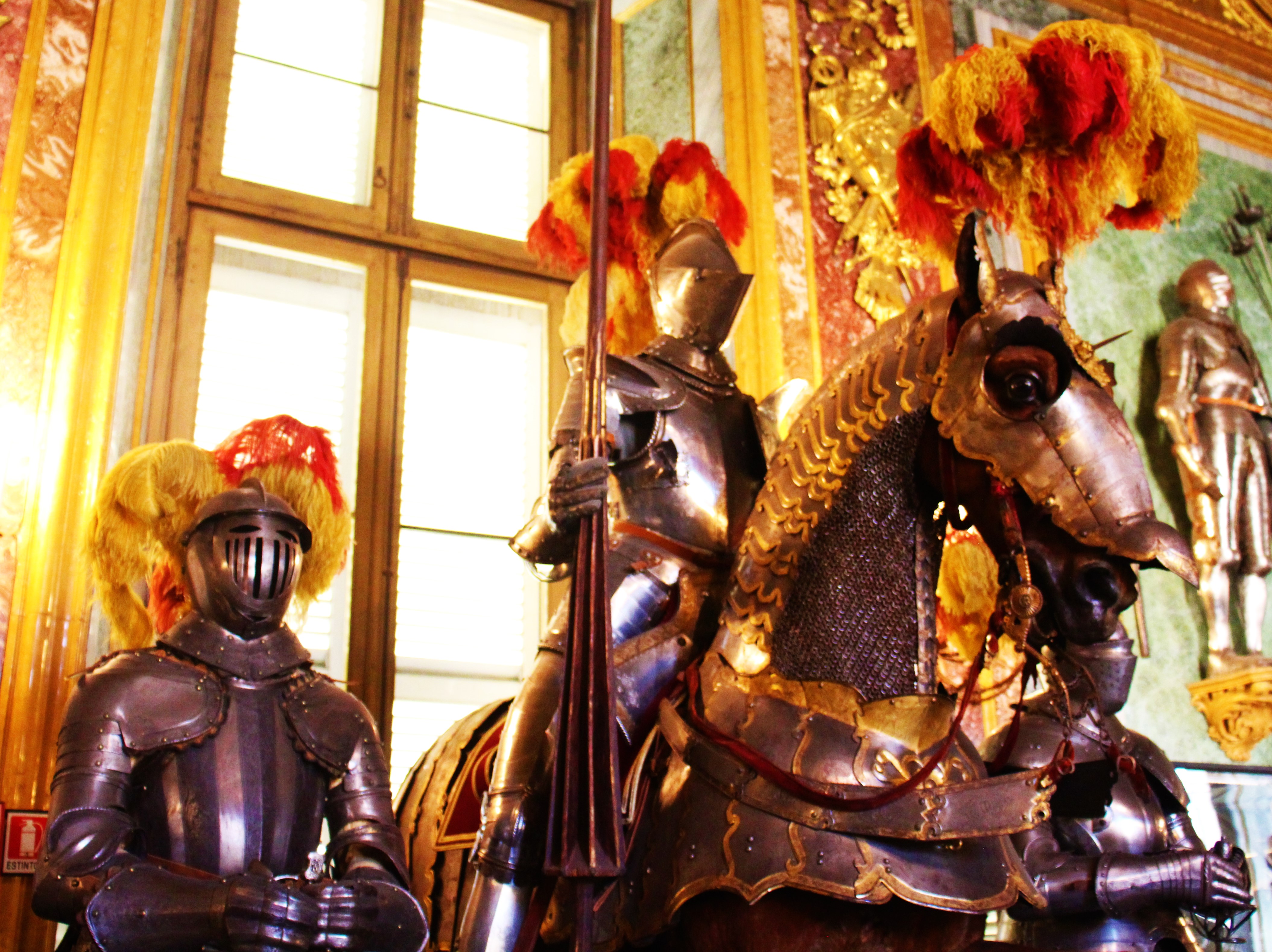
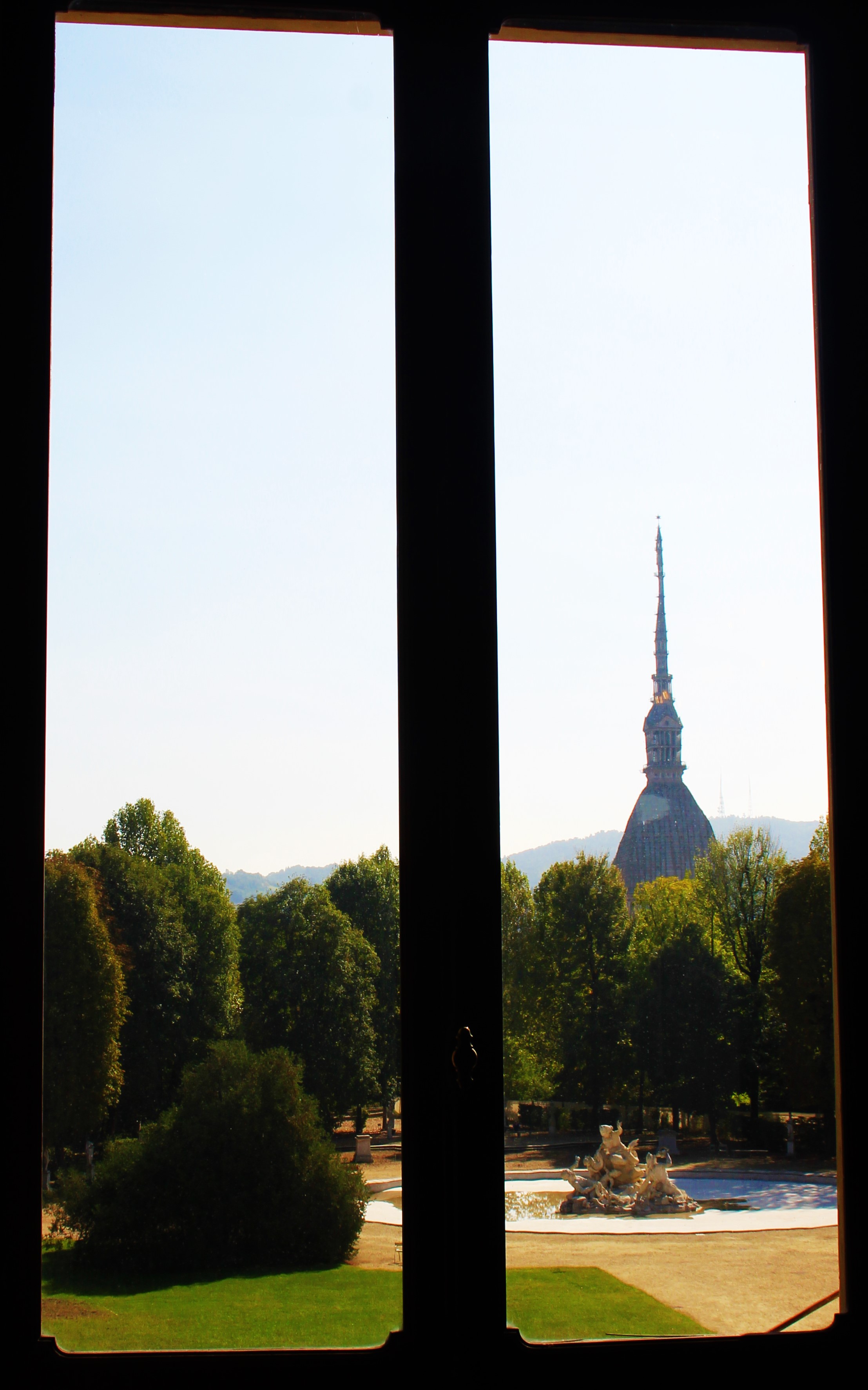
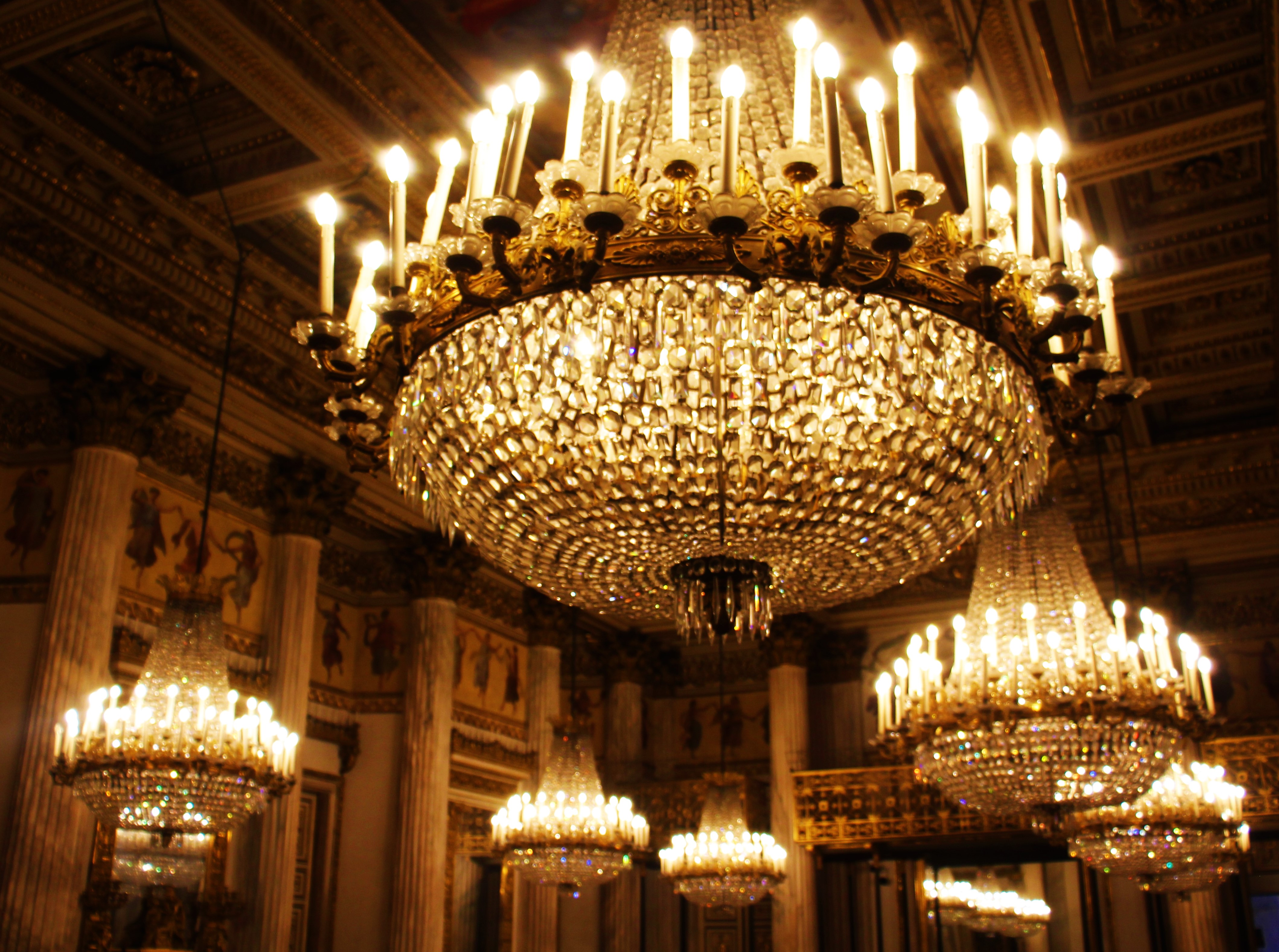
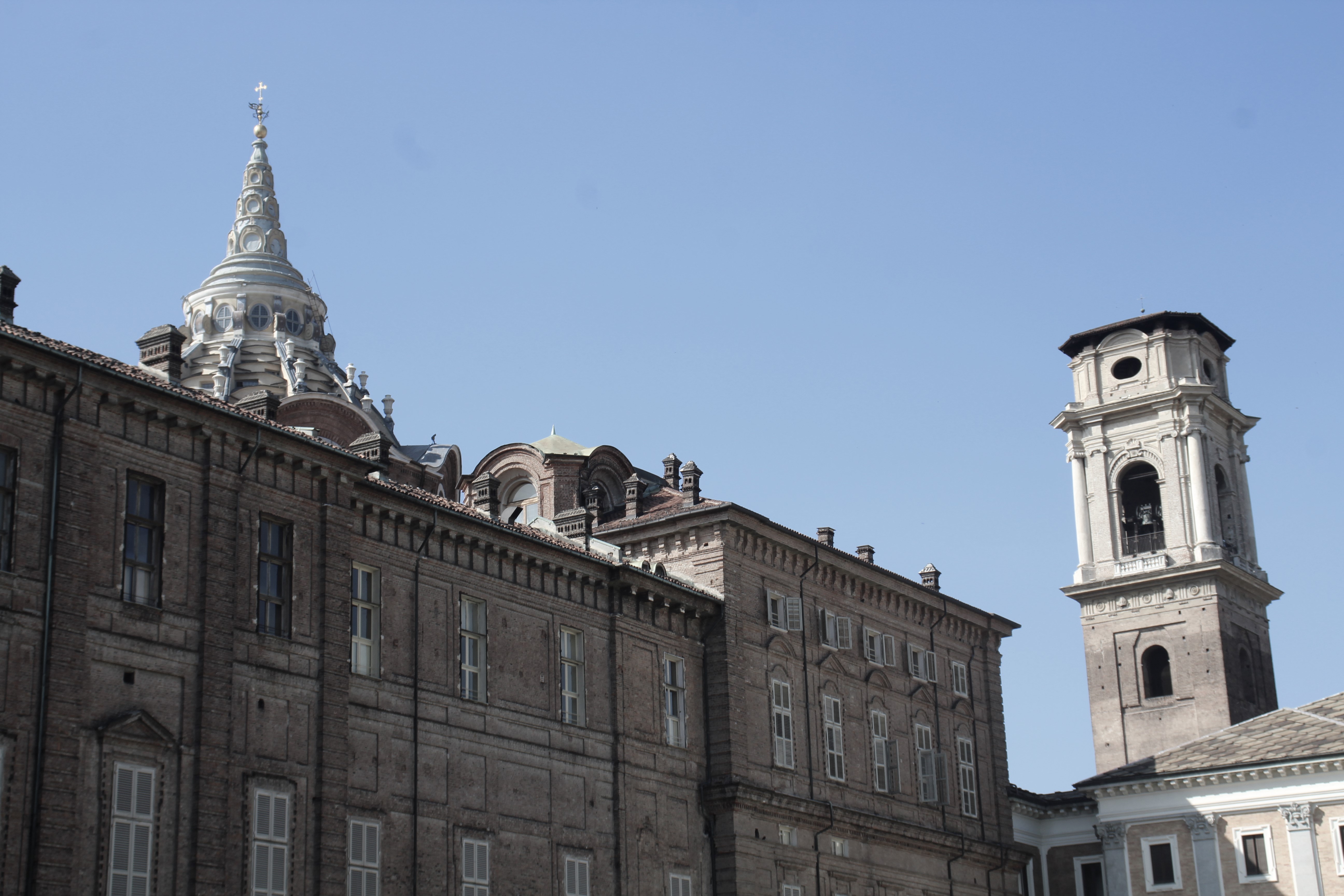
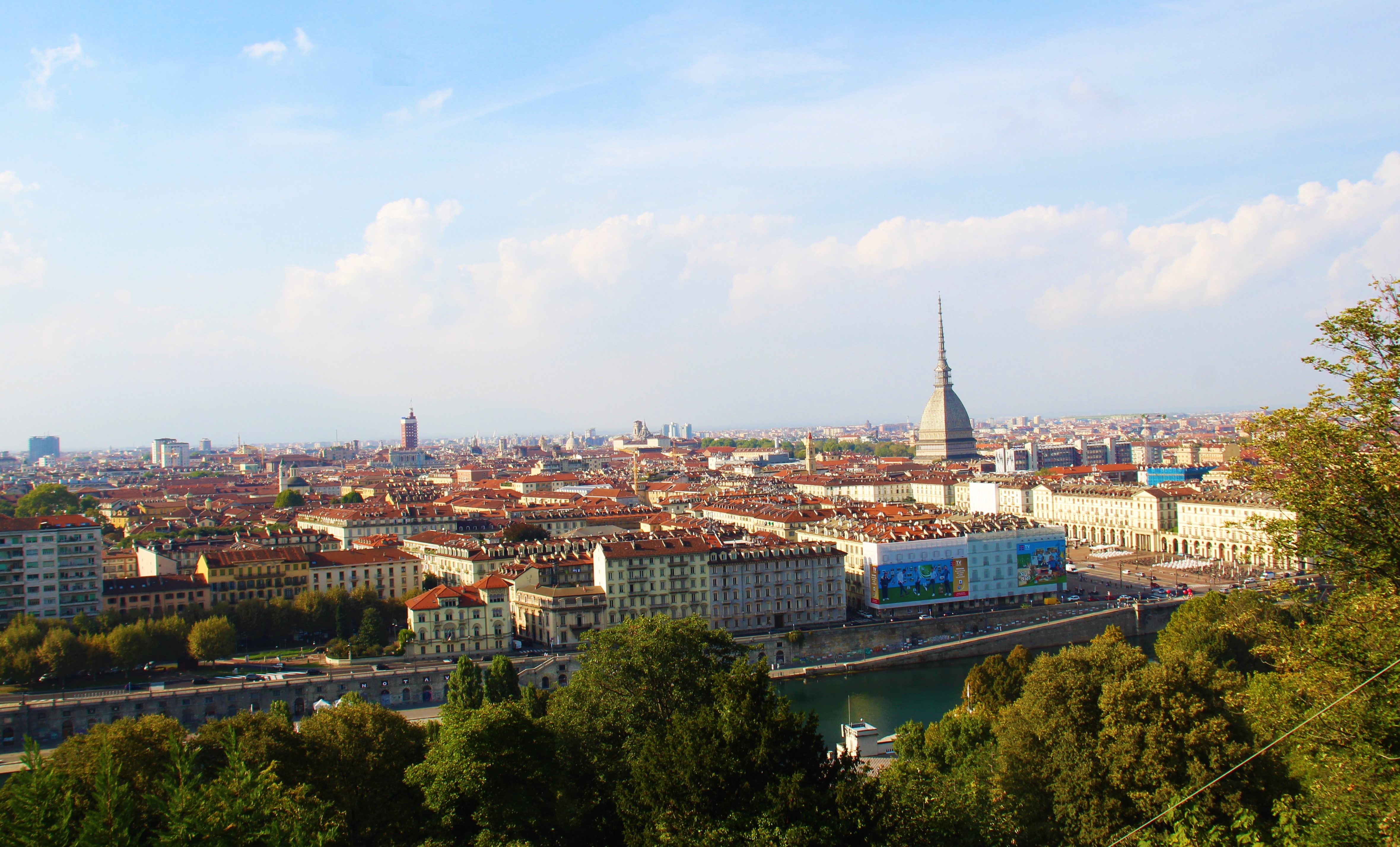
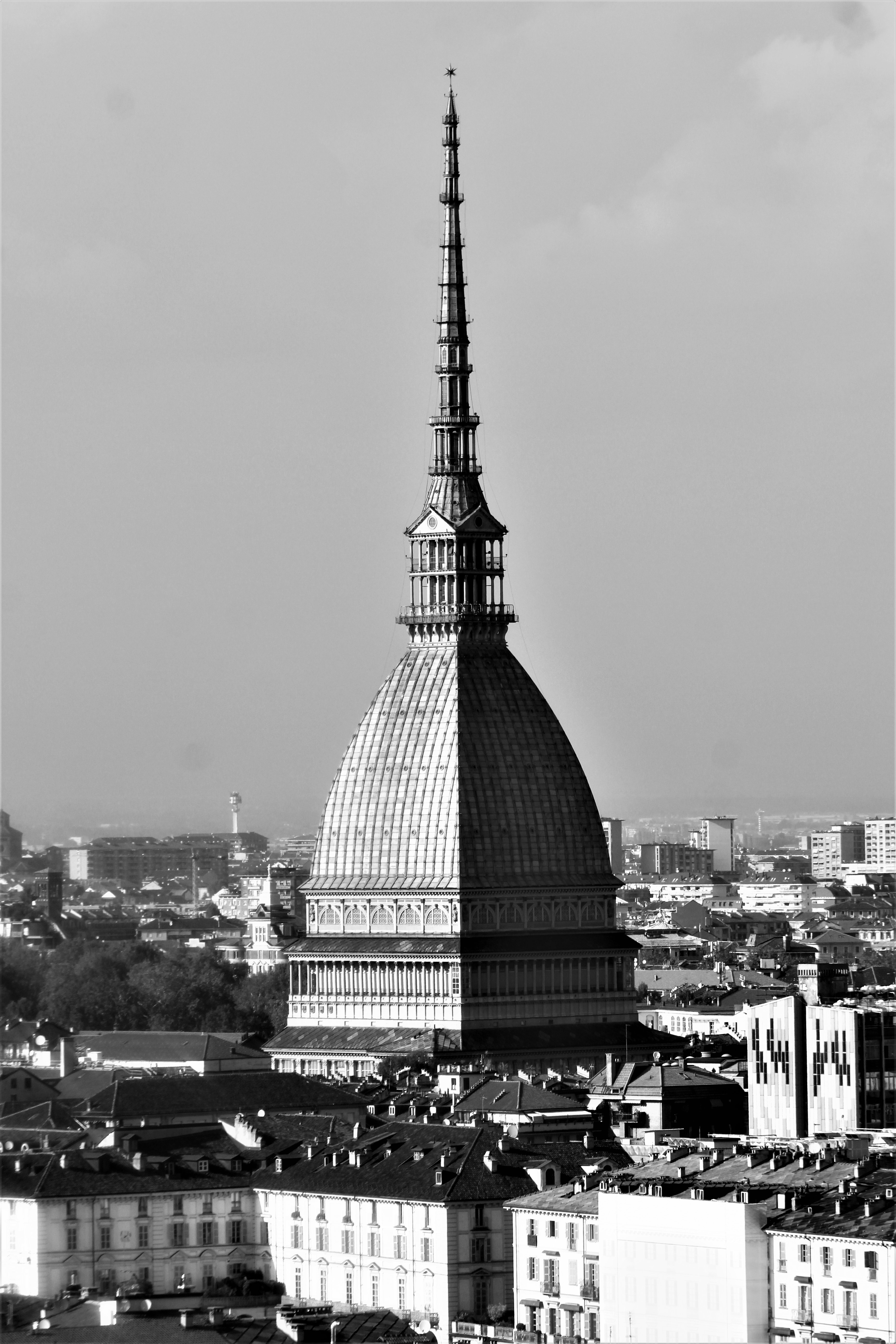
We met up with Serena, who works for a furniture dealership in Turin, and she gave us a super little tour of a few of the palaces and piazzas of the city centre. We visited Palazzo Reale, the former royal palace of the governing Savoy family, and enjoyed an al fresco lunch in the September sun. We later visited Superga – of course – and Lorenzo loved it, despite the sadness. One last photo call at Monte Dei Cappuccini, and he then drove me back to my hotel.
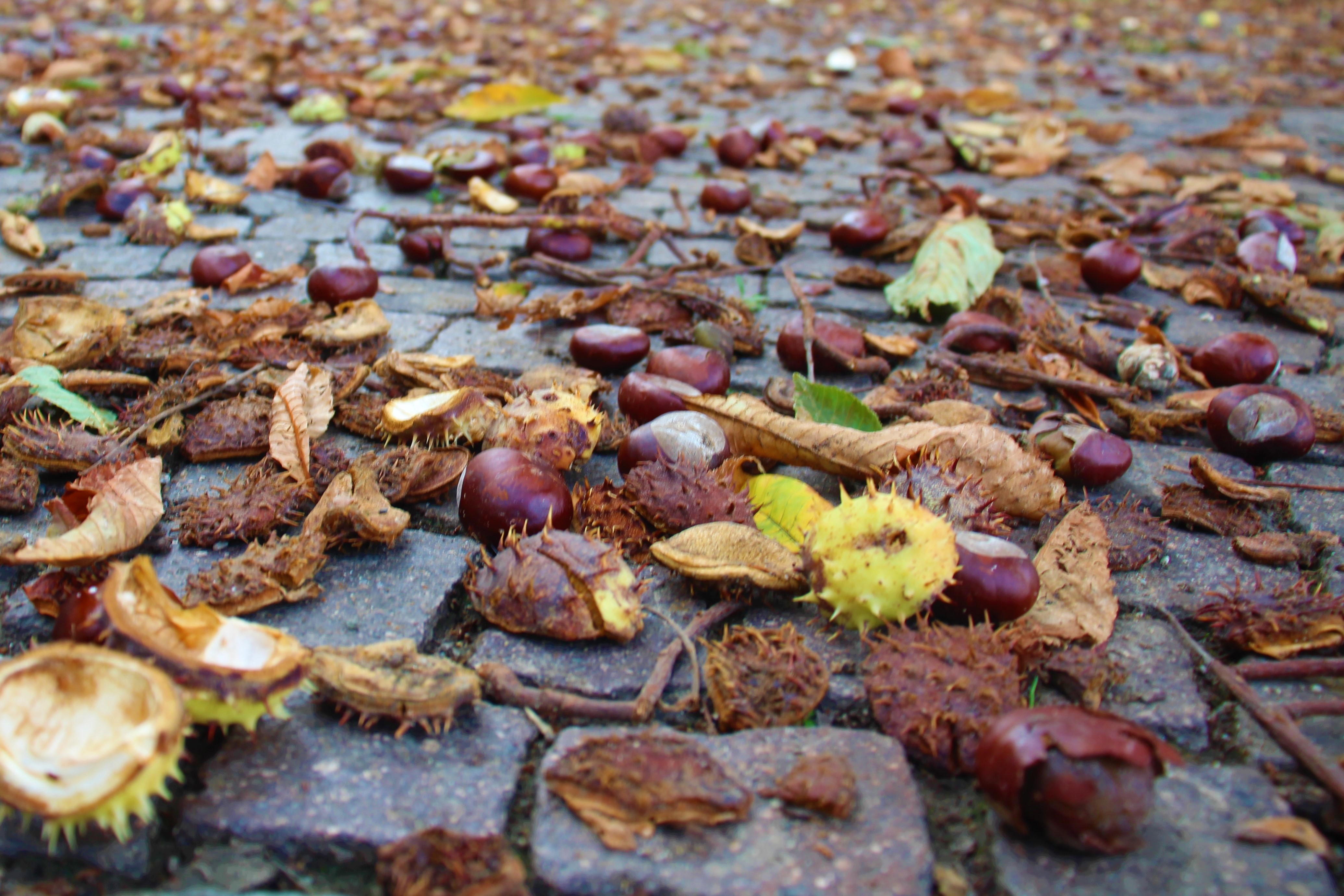
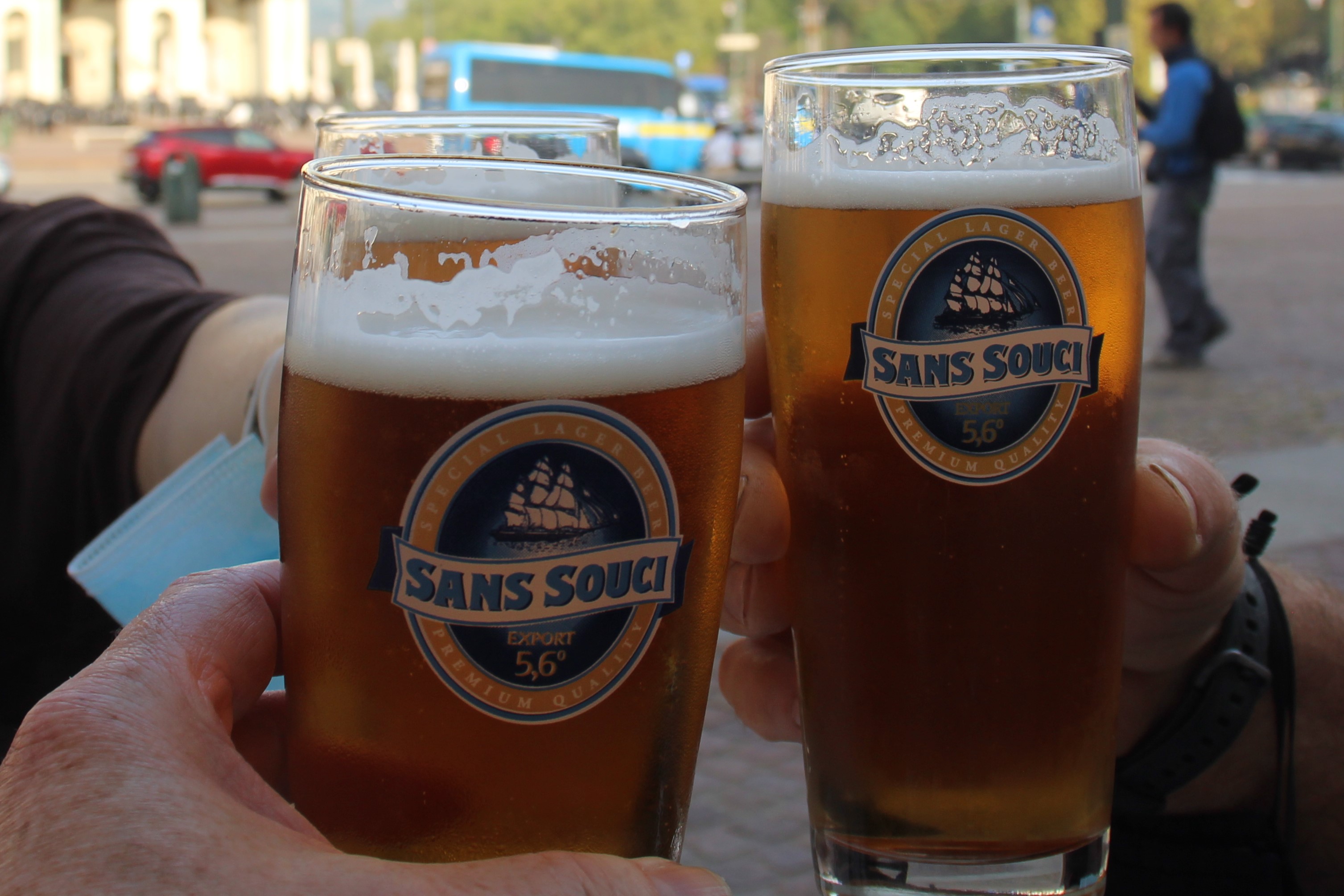
In the evening, saving the best to last, Tullio collected me outside my hotel and picked up his mother en route to an evening meal at Tullio’s apartment in Moncalieri. Sadly, Tullio lost his father last year, so the evening was tinged with a little sadness. But it was magical to see his family again. His daughters Sofia and Lucrezia are into canoeing and rowing. At seventeen, Sofia – who practices on the nearby River Po – is a national champion in the under-23 age group.

We reminisced about our past and remembered the times spent on the beach in Diano Marina in those lovely days of our youth.

Ah, youth.

Juventus.

Maybe that’s it.

On Friday, it was time to leave Turin. It had been, “assolutamente”, a simply superb four days in the sun. At Caselle airport, there was time for one last meal – gnocchi, my favourite – and one last bottle of iced tea. There was a quick chat with a couple of the Juventus women’s team en route to an away game against Roma. And there was time for a raid on the Robe Di Kappa shop, that famous logo reminding me so much of the Juventus kits of yore. There was even a photo of Roberto Bettega in his prime behind the till.

I walked a few yards across the tarmac to board the waiting 3.30 plane home, and I spotted Superga away on the hill in the distance.

Until next time, Turin, until next time.

Stadio Filadelfia

Stadio Olimpico Grande Torino

Allianz Stadium

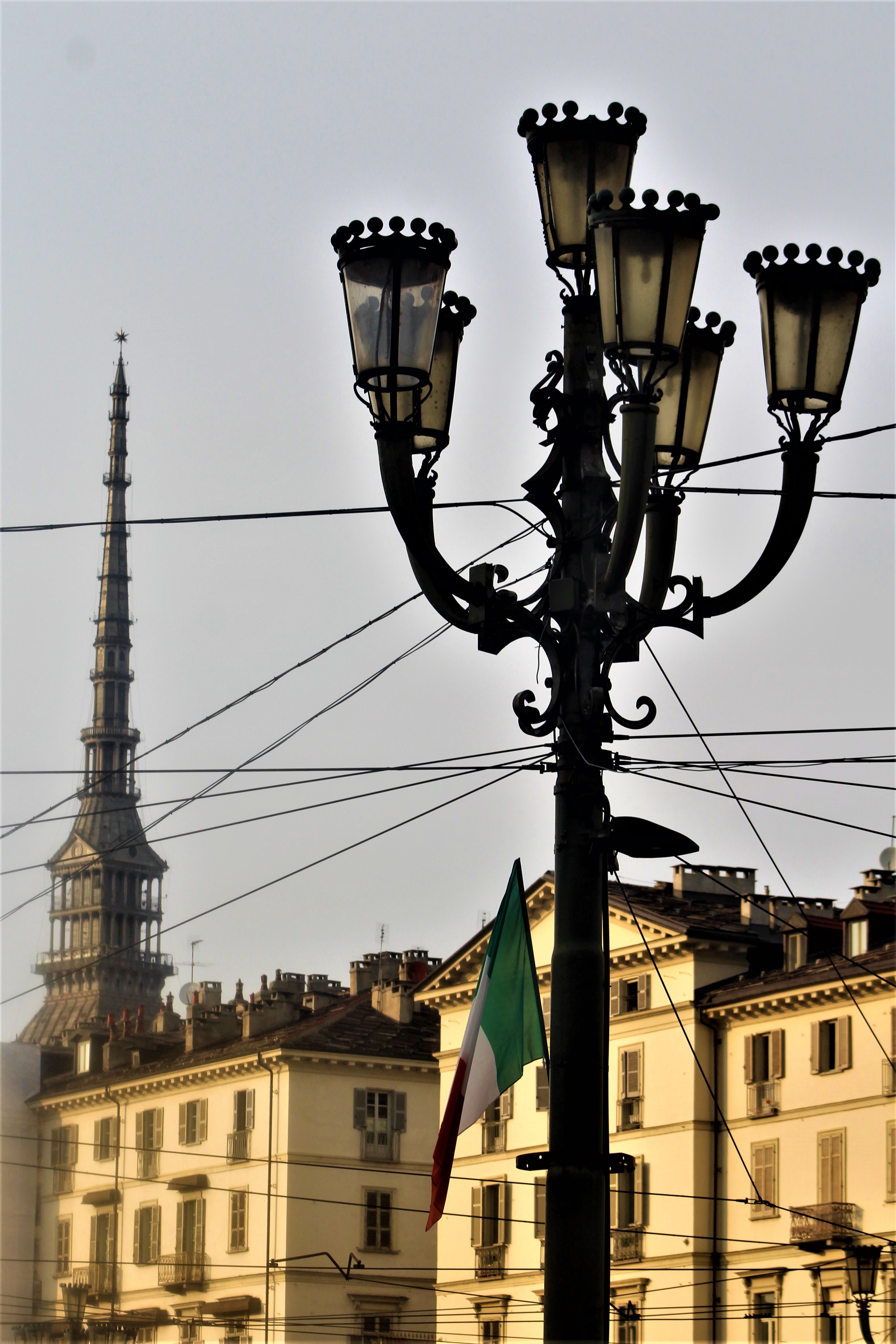
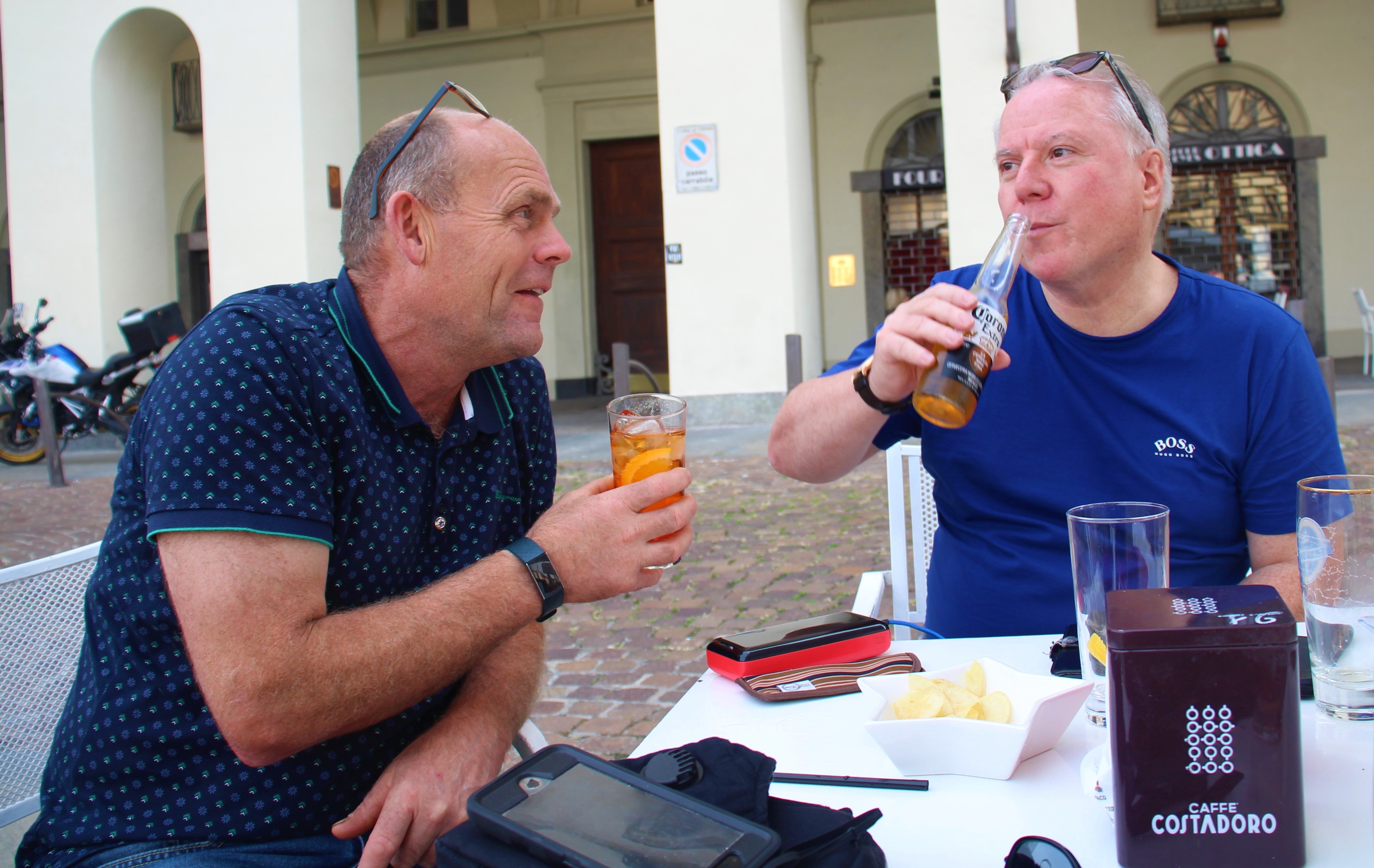
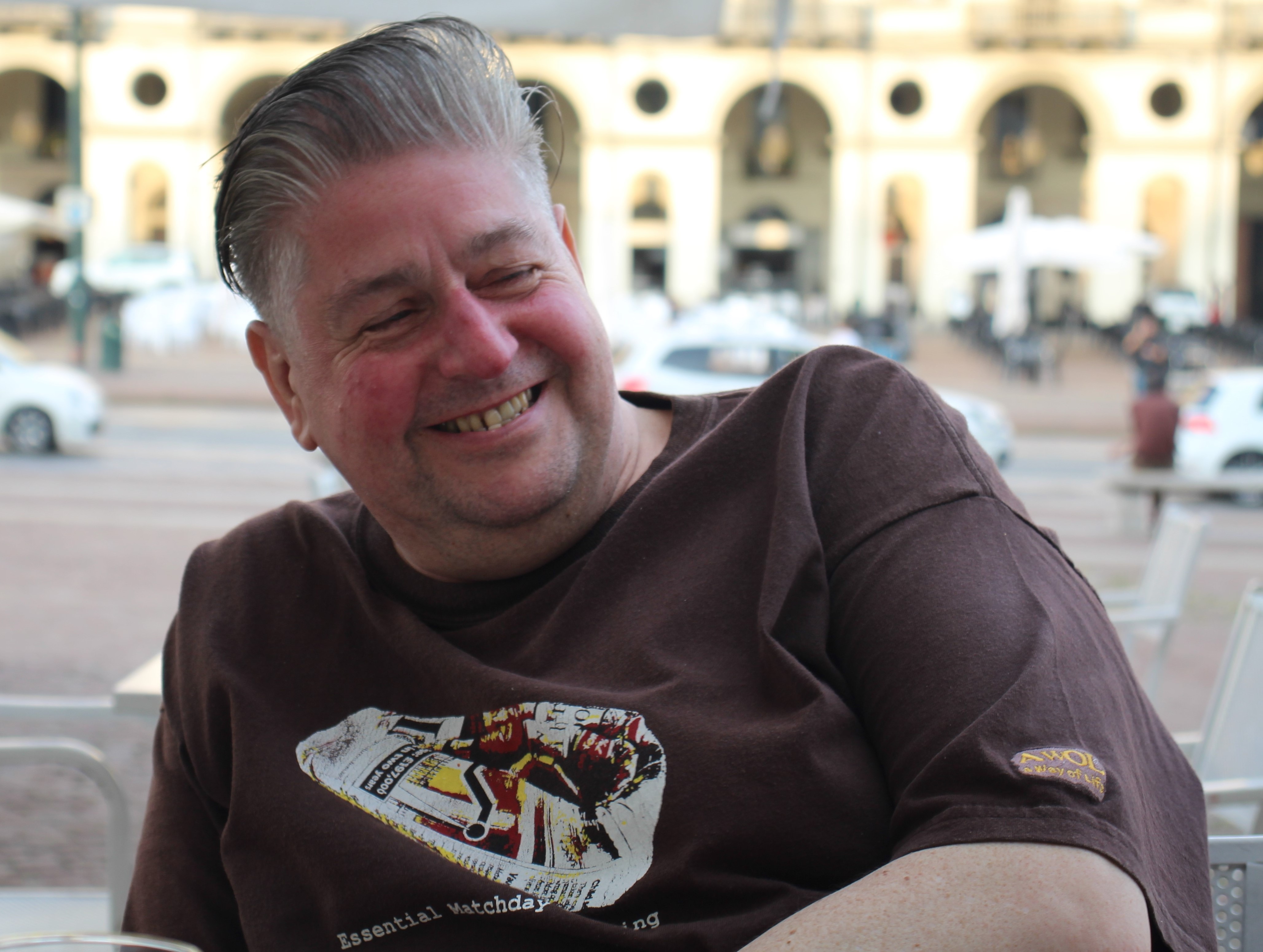
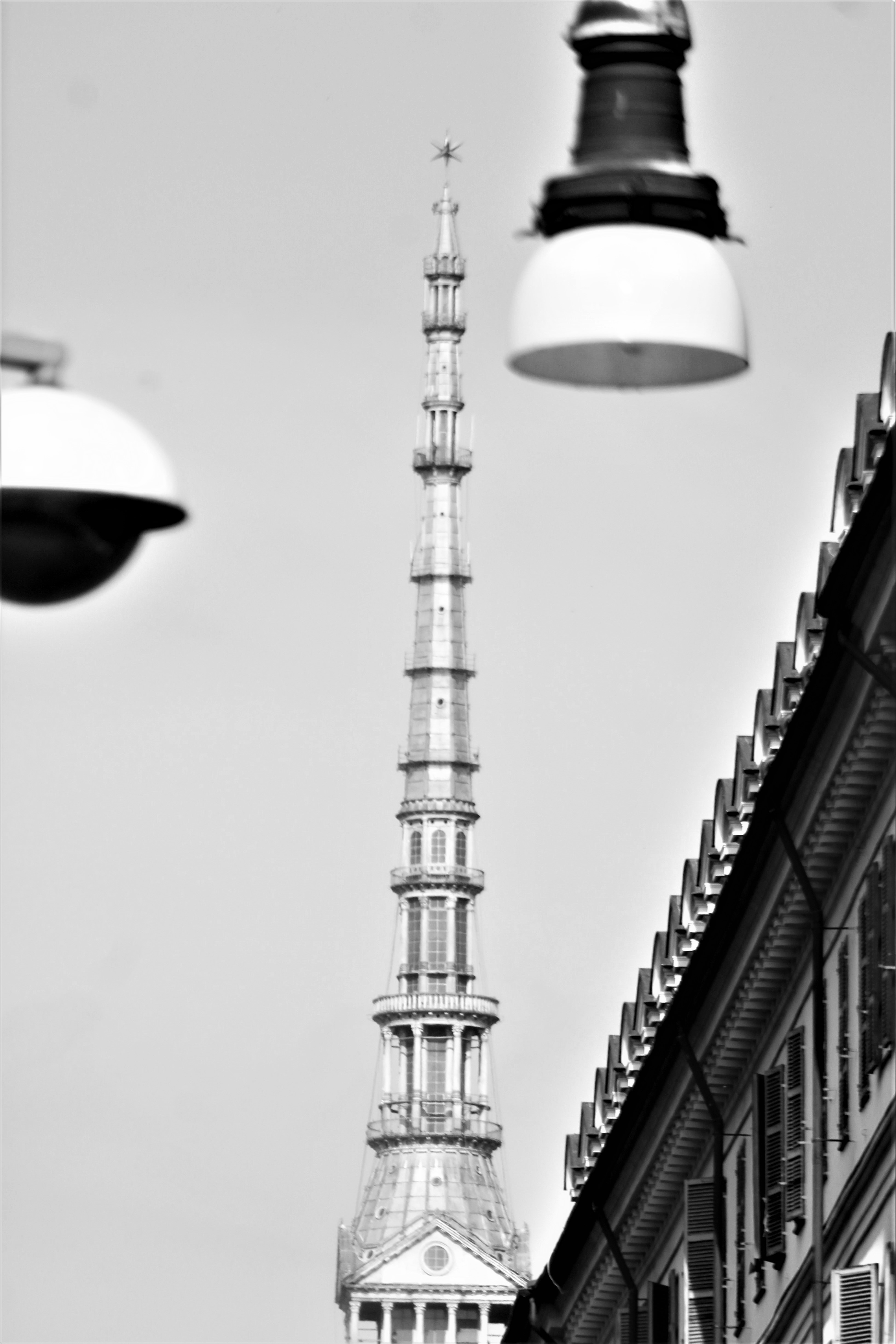
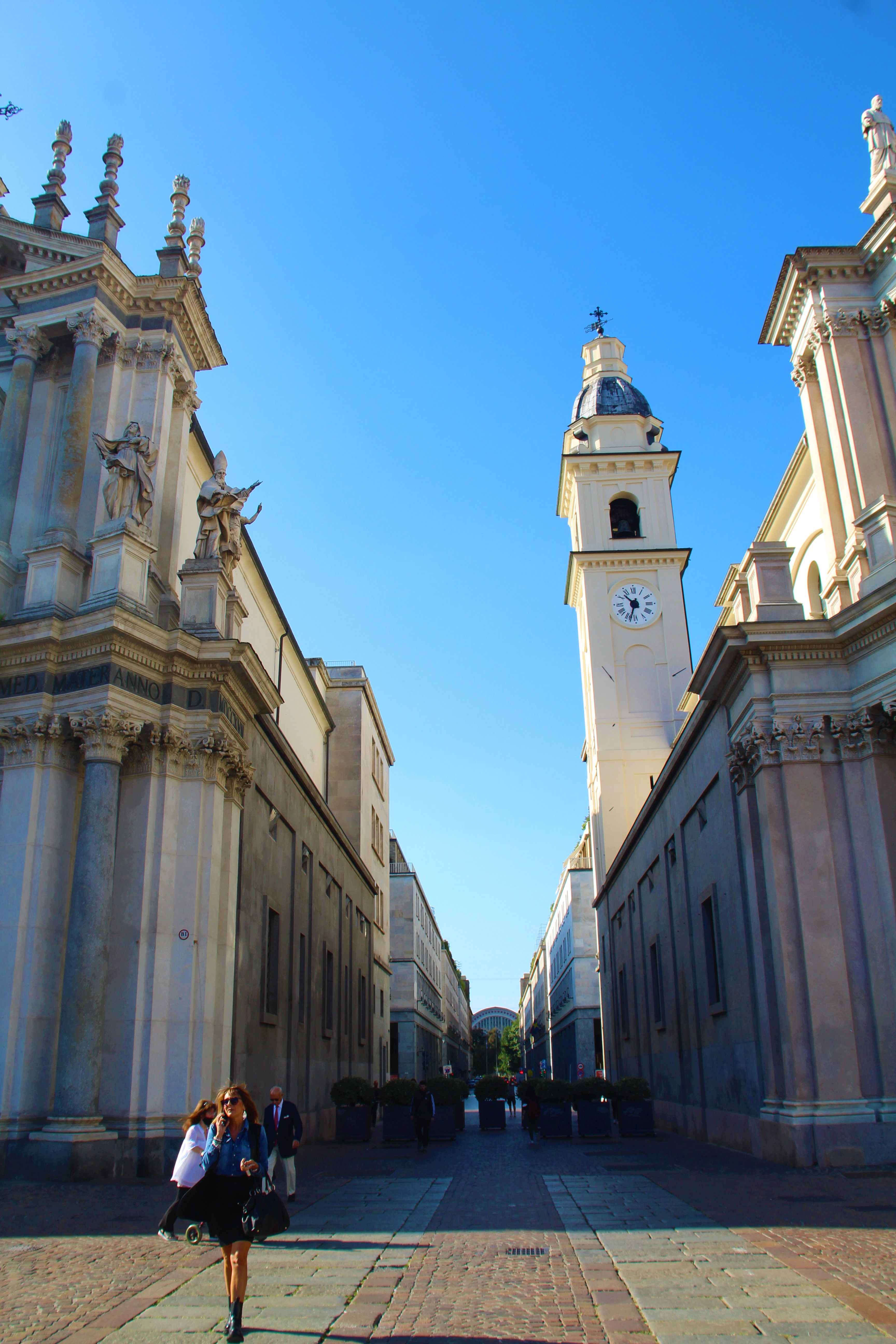
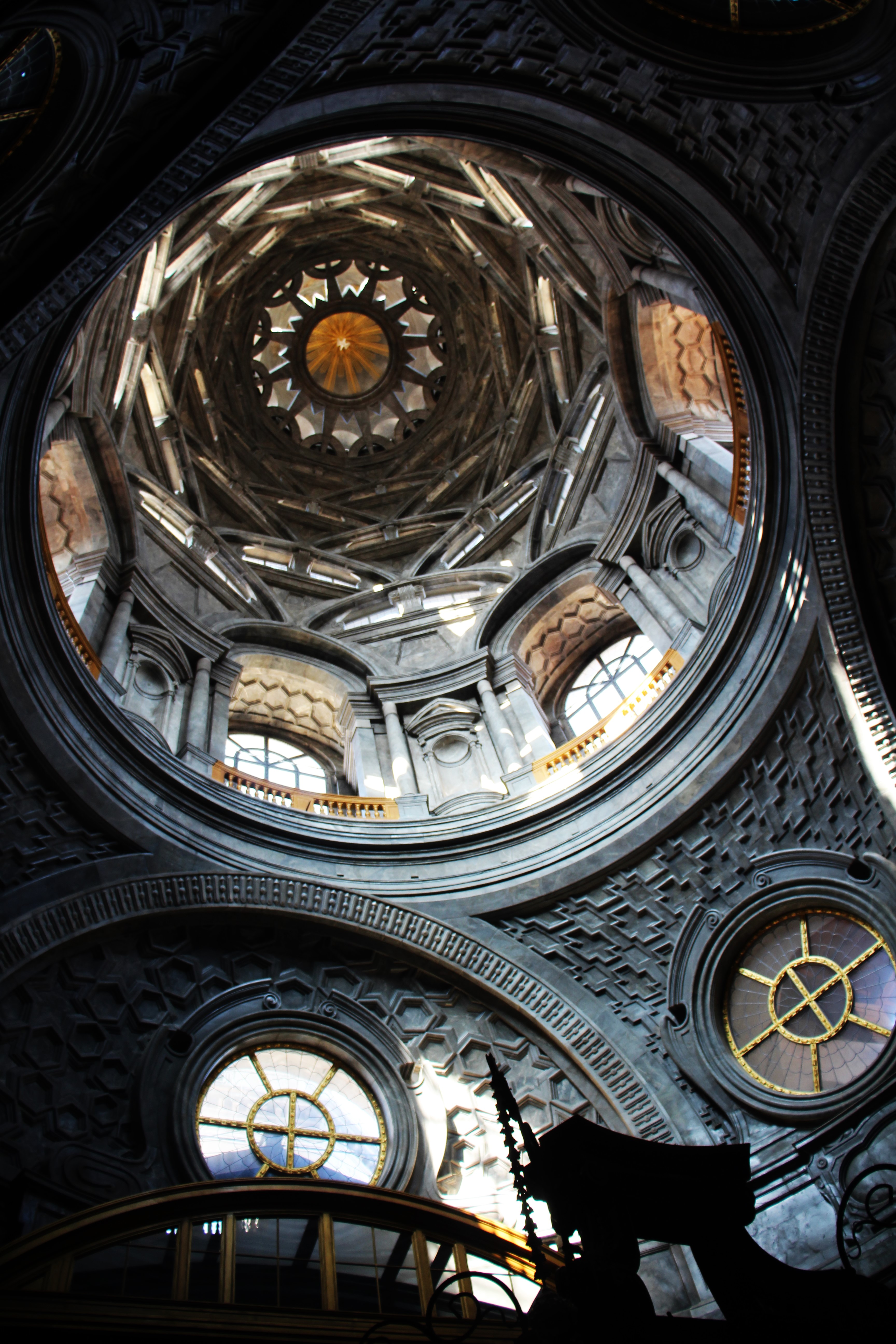
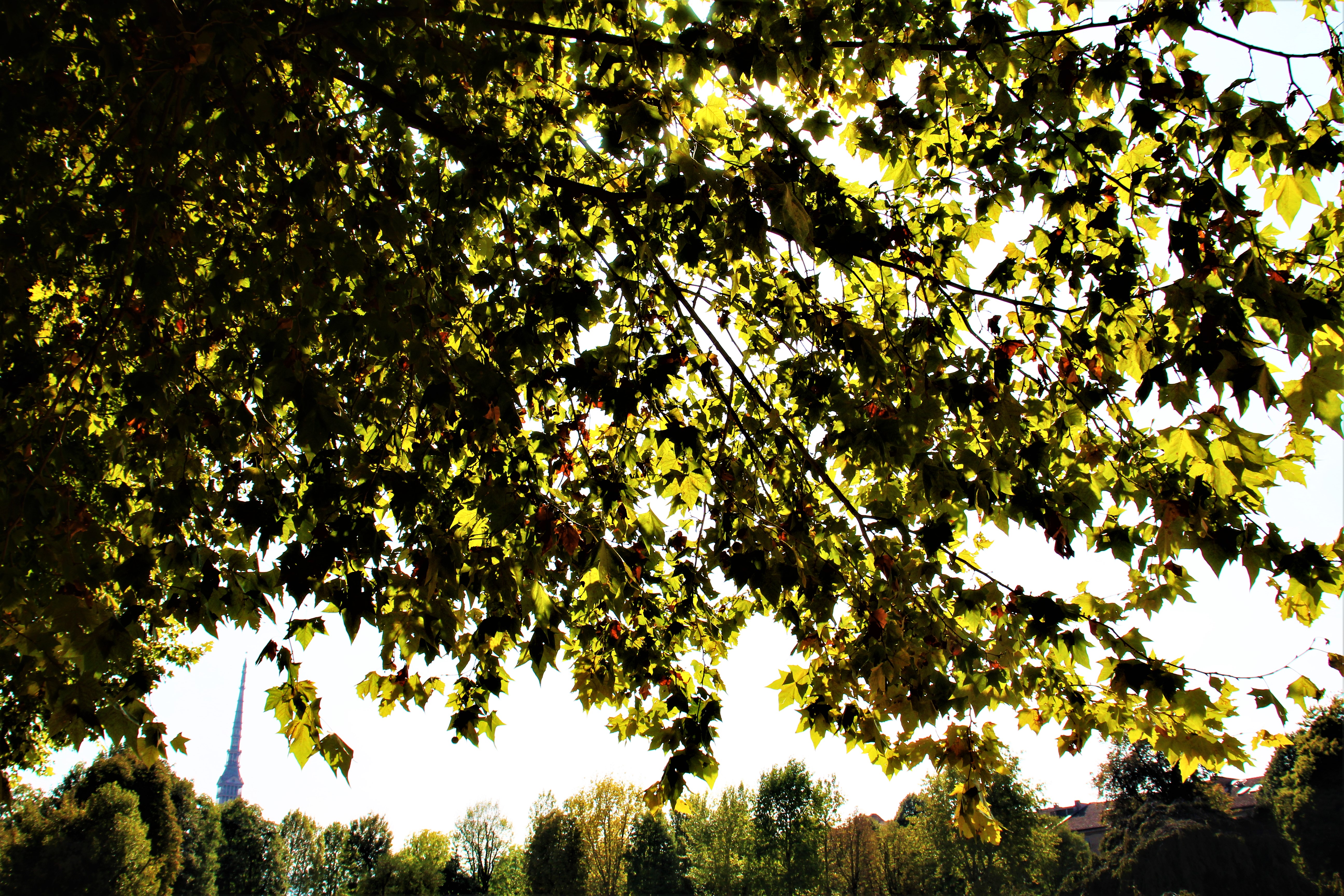
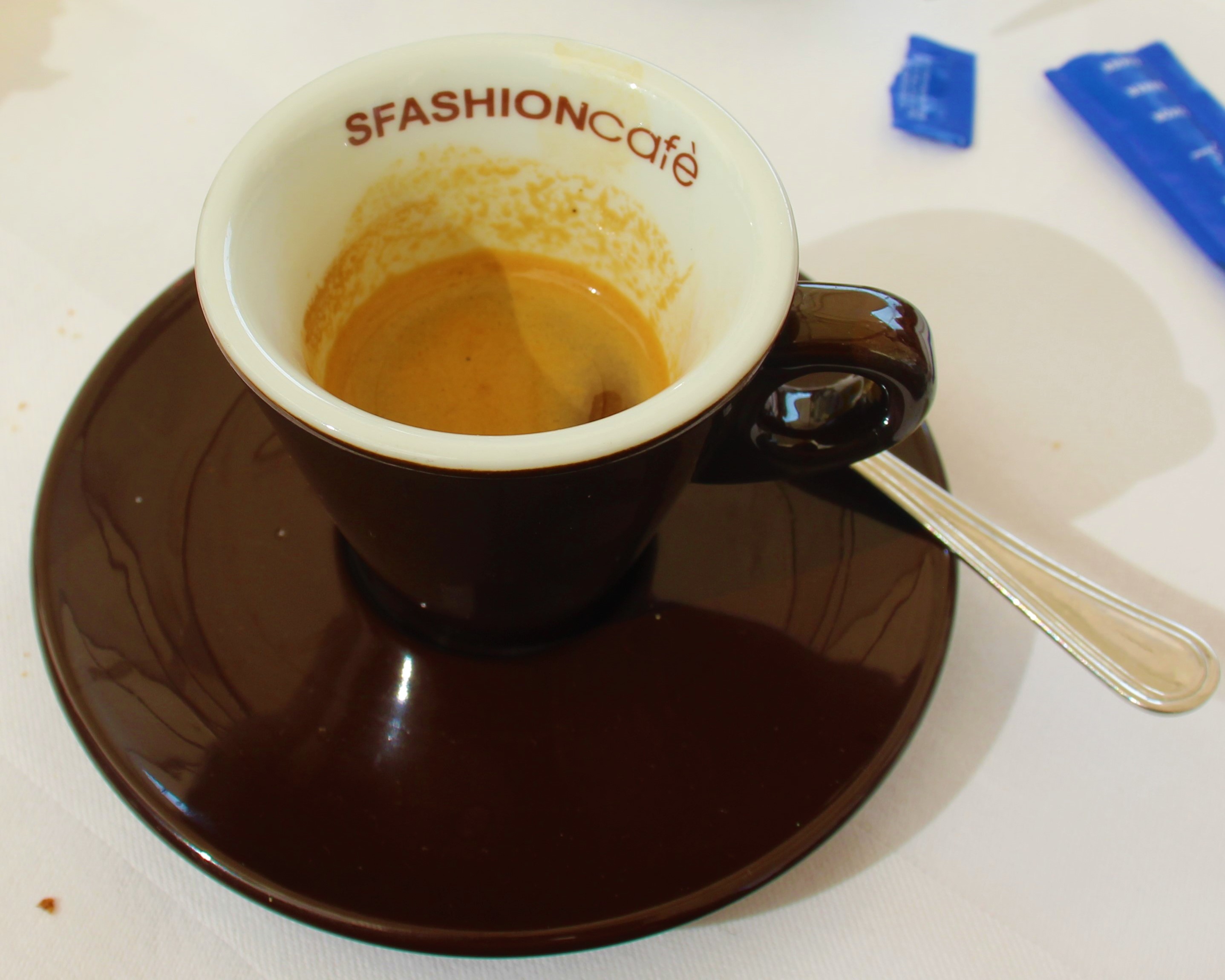
Postcards From Turin